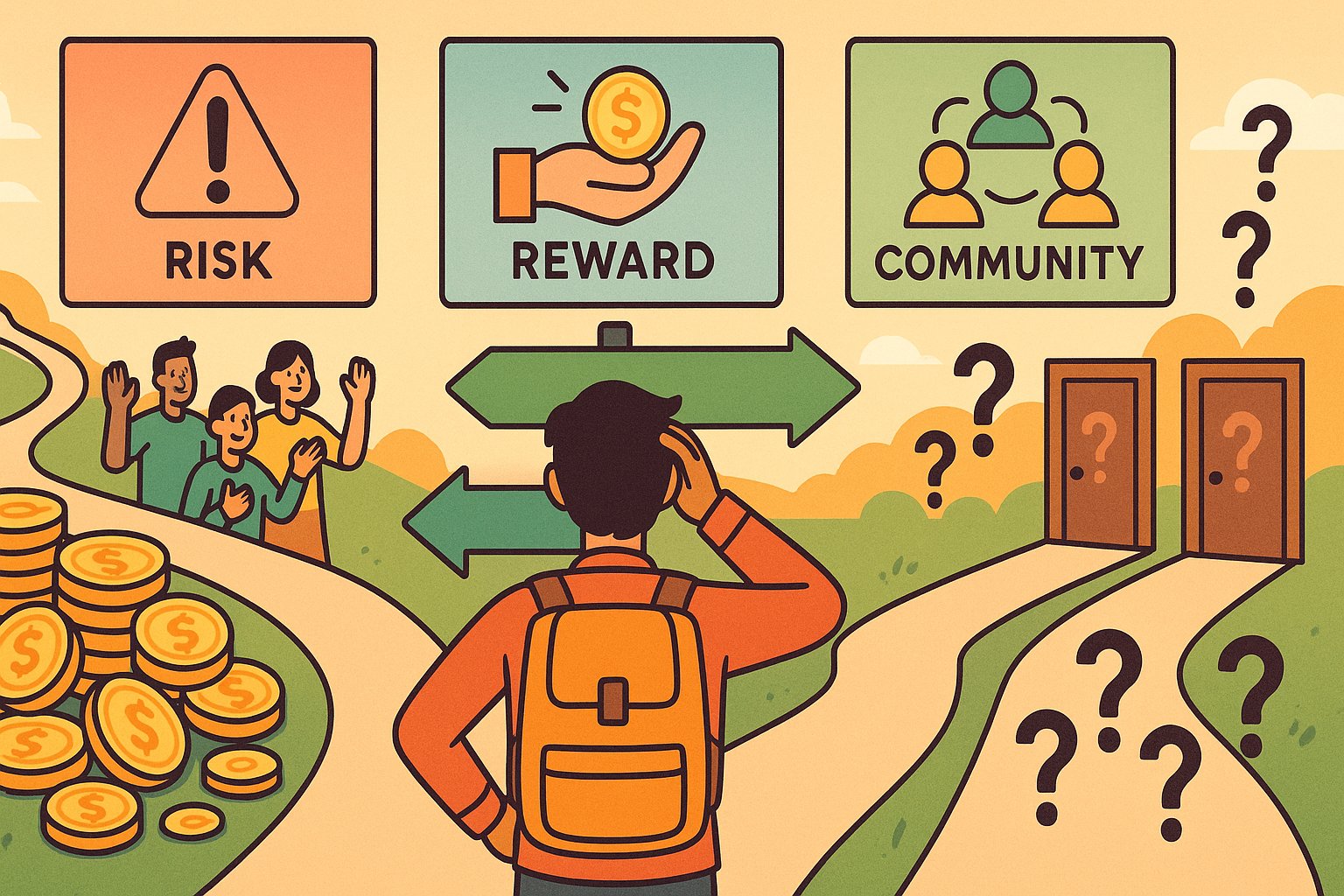

Crowdfunding has rapidly evolved from a niche form of internet-based fundraising to a global force that empowers innovation, creativity, and entrepreneurship. What began as a way for artists and startups to gather small donations from loyal supporters has grown into a multibillion-dollar industry redefining how businesses, charities, and individuals raise capital. The digital landscape has given ordinary people the ability to back extraordinary ideas—transforming the way money flows in the modern economy. Today, crowdfunding represents not only a shift in finance but also in culture, trust, and participation. This movement has dismantled the old barriers between investors and creators, allowing both to collaborate on shared visions. The global rise of platforms like Kickstarter, Indiegogo, GoFundMe, and Seedrs shows how a simple concept—many people contributing small amounts to a common cause—can have immense power when scaled across the world. As technology, regulation, and consumer behavior evolve, crowdfunding continues to reshape financial systems and open new opportunities for creators everywhere.
The Expanding Global Landscape of Crowdfunding
The crowdfunding landscape has diversified dramatically, encompassing not just rewards-based or donation models but also debt, equity, and hybrid funding methods. In North America and Europe, established platforms dominate, supporting everything from creative projects to real estate ventures. Meanwhile, Asia-Pacific nations—particularly China, India, and Singapore—have become major hubs for alternative financing, driven by tech-savvy populations and government policies that encourage innovation.
Latin America and Africa are emerging as exciting new frontiers for crowdfunding. In these regions, mobile connectivity and digital payments have allowed entrepreneurs to bypass traditional banking systems and tap directly into community-based capital. The accessibility of digital tools has enabled small business owners, social enterprises, and grassroots initiatives to reach local and international backers with unprecedented ease.
Globally, crowdfunding is projected to continue growing at double-digit rates. Beyond the sheer financial volume, its cultural impact is immense—it’s democratizing finance, encouraging transparency, and bridging the gap between dreamers and doers. Every year, millions of campaigns illustrate how global connectivity and collective trust can drive meaningful change.
The Shift from Passion Projects to Professional Ventures
Early crowdfunding success stories often involved creative projects like independent films, video games, or innovative gadgets. However, the landscape has shifted dramatically. Today, professional startups, real estate developers, and even renewable energy projects use crowdfunding to finance large-scale ventures. The sector is no longer confined to hobbyists—it’s now part of a sophisticated financial ecosystem.
Equity crowdfunding, in particular, has redefined the relationship between investors and entrepreneurs. It allows contributors to own a stake in the companies they support, turning backers into shareholders rather than donors. This model has gained traction among early-stage startups that seek funding without relying solely on venture capitalists. Meanwhile, debt crowdfunding (or peer-to-peer lending) offers small businesses access to credit when banks hesitate.
This evolution reflects a deeper trend: crowdfunding is no longer about novelty; it’s about viability. Professional investors, financial institutions, and government agencies are now taking the model seriously, integrating it into larger funding strategies and investment portfolios.
The Power of Community and Collective Confidence
At its heart, crowdfunding is about people—not just money. The power of the crowd lies in shared belief. A successful campaign doesn’t simply raise capital; it builds a community that feels personally invested in the project’s success. This social and emotional dimension gives crowdfunding an authenticity that traditional finance often lacks.
Community engagement can be more valuable than funding itself. The feedback, enthusiasm, and loyalty generated through backers create long-term brand ambassadors. Many companies that launched through crowdfunding later leveraged this community to fuel continued growth, gain user insights, and build credibility in the market.
This sense of collective ownership is why crowdfunding works so well in the digital age. People crave connection and purpose in what they support. Whether funding a sustainable clothing line, a new app, or a humanitarian cause, backers feel they’re contributing to something larger than themselves. That shared confidence—between creators and contributors—continues to drive crowdfunding’s success across cultures and industries.
Emerging Technologies Transforming Crowdfunding
Technology is reshaping crowdfunding at every level, from how campaigns are built to how transactions are verified. Blockchain and smart contracts, for example, are bringing new levels of transparency and trust to the process. By decentralizing records, these technologies reduce fraud and streamline how funds are distributed. Tokenization—using digital tokens to represent shares or assets—has also opened new doors for global investors who want fractional ownership in startups, real estate, or creative works.
Artificial intelligence is another game-changer. AI tools help campaign creators analyze audience data, optimize marketing messages, and predict funding outcomes. Meanwhile, automation and digital wallets simplify transactions across borders, enabling contributors from different countries to participate without barriers.
In regions where traditional financial infrastructure is limited, fintech innovations have become essential. Mobile crowdfunding platforms and payment integrations allow users to contribute directly from smartphones. As these technologies mature, they are expanding crowdfunding’s reach to billions of people who were once excluded from formal finance systems.
Regulation, Risk, and Responsibility
As crowdfunding becomes more mainstream, regulatory oversight has become crucial. Governments around the world are developing frameworks to protect both investors and creators. In the United States, the JOBS Act opened the door for equity crowdfunding, allowing small investors to participate in startup funding. The European Union has also standardized rules across member states, creating a unified crowdfunding market.
However, with opportunity comes risk. The open nature of crowdfunding makes it vulnerable to fraud, mismanagement, and unrealistic promises. Many backers have experienced delays or failures in receiving rewards, while startups sometimes underestimate production costs or demand. Regulatory agencies are addressing these issues by enforcing disclosure requirements, financial limits, and platform accountability.
Responsible crowdfunding relies on transparency, communication, and ethical practices. The future of the industry depends on maintaining public trust through fair policies and informed participation. As the sector matures, it will need to balance innovation with protection—a challenge that defines many financial frontiers.
The Cultural Evolution of Giving and Investing
Crowdfunding’s influence goes beyond business—it’s reshaping cultural attitudes toward money, collaboration, and purpose. The lines between giving, supporting, and investing have blurred. Donation-based platforms like GoFundMe have redefined philanthropy by allowing anyone to make a difference instantly. At the same time, investors on platforms like Seedrs and Republic treat crowdfunding as a legitimate path to portfolio diversification.
This merging of altruism and investment has created a new social economy where purpose-driven funding thrives. Crowdfunding gives individuals direct control over what they want to see succeed, whether that’s a local bakery, an environmental initiative, or a tech startup disrupting an entire industry. The global culture of micro-investment and peer-to-peer support reflects a generation that values impact as much as returns.
Social media amplifies this effect. A compelling story, powerful visuals, and authentic communication can transform a campaign overnight. The emotional connection between creators and supporters is now one of the most valuable currencies in the digital world. Crowdfunding has become not only a financial tool but also a storytelling platform that connects passion with purpose.
The Future of Crowdfunding: From Local Dreams to Global Impact
Looking ahead, crowdfunding will likely become an even more integrated part of the global financial system. The rise of decentralized finance (DeFi), tokenized assets, and AI-driven platforms will continue to blur the boundaries between traditional investing and grassroots support. Crowdfunding could soon merge with broader capital markets, offering hybrid models that combine the accessibility of microfunding with the scale of institutional investment. We’ll also see the rise of specialized crowdfunding platforms focused on industries like healthcare, sustainability, and space technology. These niche ecosystems will cater to specific investor interests, allowing backers to align their financial decisions with personal values. Cross-border collaboration will become the norm, with campaigns drawing participants from across continents in real time. For entrepreneurs and creatives, crowdfunding will remain a vital launchpad—one that rewards authenticity, transparency, and innovation. For investors, it offers a window into emerging trends before they reach mainstream markets. And for society, it symbolizes the power of global collaboration in a connected age. The future of crowdfunding is not just about funding—it’s about transforming ideas into movements and movements into measurable impact. As technology and trust evolve together, the collective potential of the global crowd is only beginning to be realized.