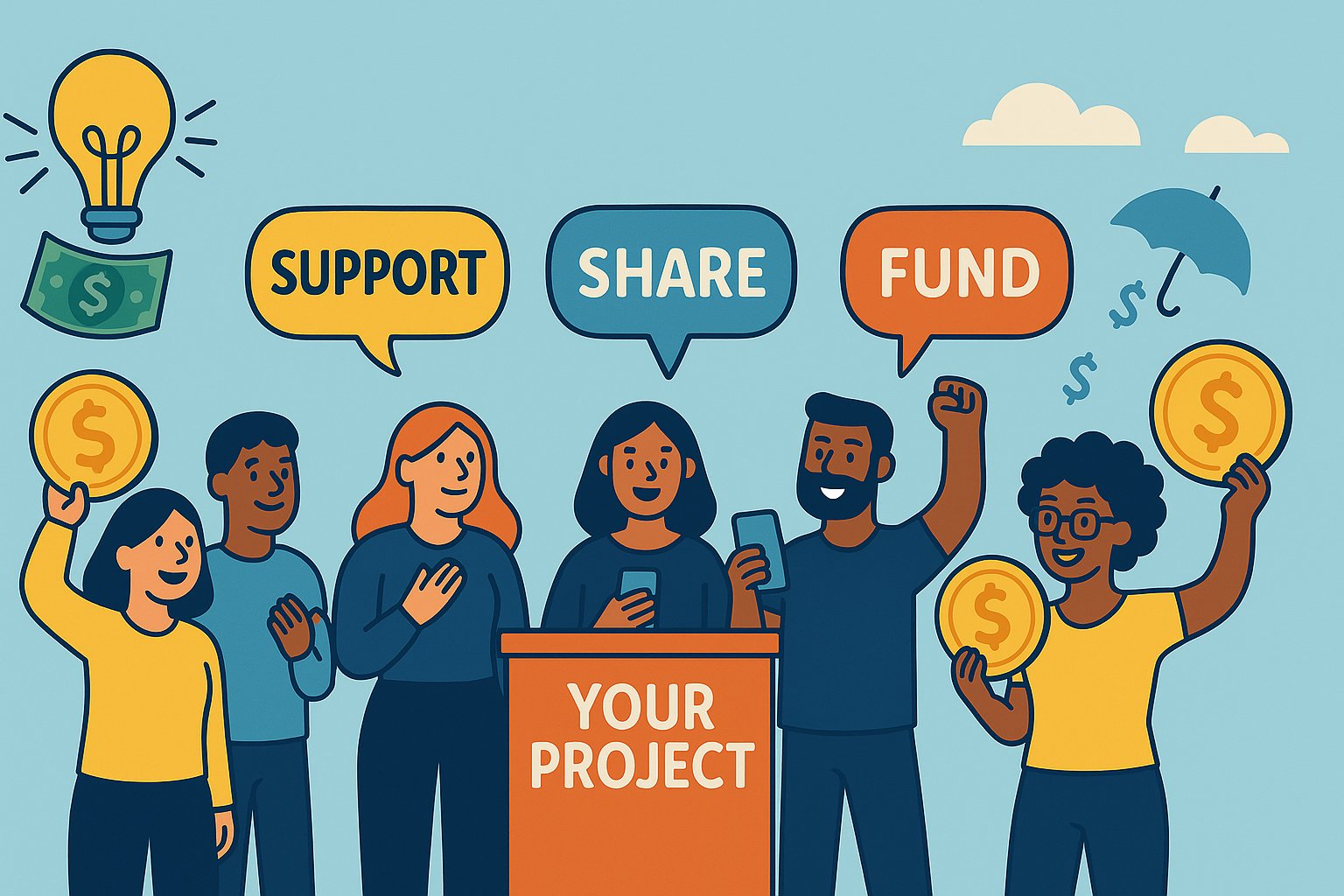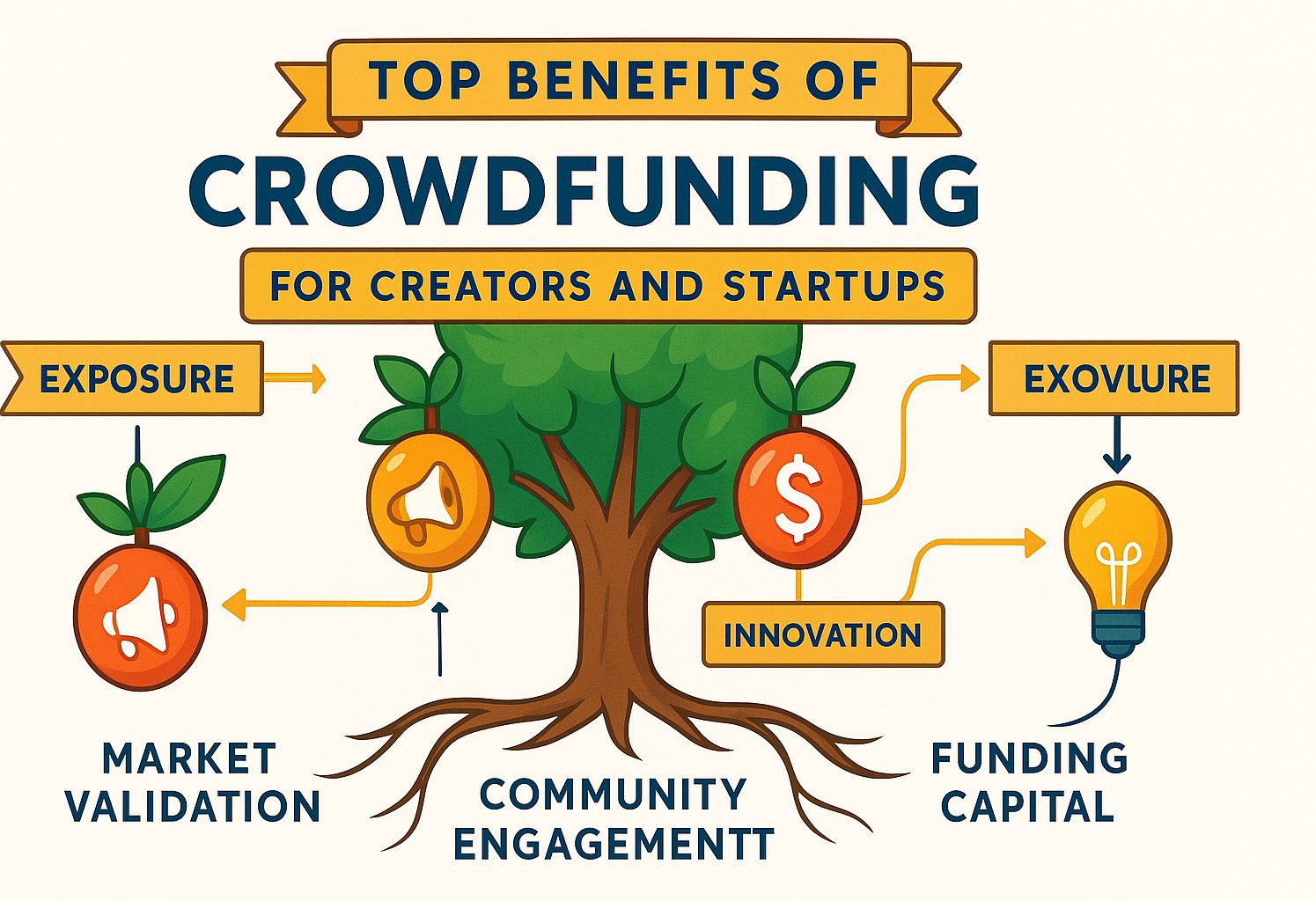

Crowdfunding began as a bold experiment—an alternative way for entrepreneurs to raise money without the gatekeeping of banks or venture capital firms. It quickly became synonymous with startup culture, a tool for dreamers to bring new gadgets, apps, and creative projects to life. But over time, crowdfunding has evolved far beyond its startup roots. Today, it’s a global ecosystem empowering nonprofits, established businesses, artists, educators, and even governments to connect directly with supporters and fund meaningful work. The misconception that crowdfunding is only for scrappy startups overlooks the vast potential of this model. At its heart, crowdfunding isn’t just a financing tool—it’s a storytelling and community-building platform. It gives anyone with a mission the ability to engage people emotionally, build loyalty, and turn vision into impact. Whether you’re an established brand testing a new product, a scientist pursuing groundbreaking research, or a community raising money for a cause, crowdfunding has become a universal force for innovation.
The Democratization of Funding
One of the most powerful aspects of crowdfunding is its ability to democratize access to capital. Traditional financing often favors the few—those with strong credit, investor networks, or existing wealth. Crowdfunding flips that system upside down. It gives individuals and organizations of all sizes a chance to raise funds directly from the public based on the strength of their ideas and values rather than their financial history.
This democratization has far-reaching implications. Artists can bypass galleries and publishers. Local businesses can avoid predatory loans. Nonprofits can reach donors across continents. Even universities and public institutions are using crowdfunding to fund research, scholarships, and community projects. It’s no longer about who you know in the financial world—it’s about how well you can inspire people to believe in what you’re creating. Platforms like Kickstarter, Indiegogo, and GoFundMe have proven that ideas don’t need institutional approval to thrive. The power has shifted from investors to communities. This empowerment has created a new financial culture—one defined not by exclusivity, but by collaboration.
Established Brands Enter the Crowdfunding Arena
While startups pioneered the model, established companies have begun to embrace crowdfunding as a strategic tool for innovation and engagement. Brands like Sony, Lego, and Anheuser-Busch have used crowdfunding to test ideas, build hype, and validate products before mass production. For these corporations, crowdfunding isn’t about necessity—it’s about connection. By launching campaigns, they invite consumers to participate in the creative process. It transforms customers from passive buyers into active collaborators. This direct dialogue offers insights no market research could replicate.
Lego’s “Ideas” platform, for example, allows fans to submit and vote on new set concepts. Once an idea garners enough support, it can become an official product. The result is a deeply loyal community that feels ownership in the brand’s evolution. Similarly, tech giants have used crowdfunding to experiment with niche products or test markets without large-scale financial risk. For established brands, crowdfunding has become the modern laboratory of innovation—a way to stay relevant in an age where authenticity and audience engagement matter more than corporate polish.
Nonprofits and the Rise of Cause-Based Crowdfunding
Crowdfunding has revolutionized the way nonprofits raise funds and tell their stories. In the past, charitable giving relied heavily on traditional fundraising events, grant applications, or institutional donors. Now, organizations can reach global audiences instantly, sharing urgent causes with emotional immediacy. Platforms like GoFundMe, GlobalGiving, and Kiva have become digital hubs for humanitarian and community-based projects. Individuals can donate directly to disaster relief, education initiatives, medical needs, or social justice movements. This immediacy empowers donors to feel personally connected to the impact they’re creating.
Beyond one-time donations, crowdfunding has allowed nonprofits to build long-term relationships with their supporters. Frequent updates, transparency about how funds are used, and storytelling turn one-time donors into recurring advocates. The effect is twofold: causes receive consistent financial support, and contributors feel part of something larger than themselves. Crowdfunding also offers smaller nonprofits a lifeline. Without the backing of large sponsors or grant writers, many grassroots organizations can now compete on a global stage simply by telling authentic stories that resonate with audiences.
Crowdfunding in the Arts, Science, and Education
Creativity has always been a driving force behind crowdfunding. Artists, musicians, filmmakers, and writers have long used it to fund passion projects. But in recent years, this model has expanded into the realms of science and education, reshaping how research and knowledge are financed.
Scientists now turn to platforms like Experiment.com to raise money for studies that might be too niche or unconventional for traditional grants. Teachers use crowdfunding to buy classroom supplies or fund field trips that schools can’t afford. Universities run campaigns to support scholarships, laboratories, and sustainability projects. In these sectors, crowdfunding does more than provide money—it builds awareness. It allows the public to engage with the process of creation, discovery, and learning. When donors contribute to a research project or art installation, they become stakeholders in its success. This transparency fosters trust, turning supporters into ambassadors for innovation. Crowdfunding has become the digital patronage system of the modern age—empowering creativity, advancing science, and making education accessible in ways institutions alone never could.
Communities and Civic Crowdfunding
Crowdfunding’s influence extends far beyond individuals and organizations—it’s reshaping entire communities. Civic crowdfunding, a growing trend, allows residents to collectively finance public projects that governments may overlook or underfund. Parks, libraries, playgrounds, and community centers have all been built through collective contributions from citizens who care deeply about their neighborhoods.
This model empowers communities to take control of their environments. It transforms civic engagement from passive participation into active collaboration. When people contribute to a shared project, they gain a sense of ownership and pride in their surroundings.
Cities around the world have embraced this concept. In London, the “Spacehive” platform has funded urban gardens and art installations. In the U.S., organizations like ioby (In Our Back Yard) have enabled residents to raise money for local sustainability and social equity projects. These campaigns prove that crowdfunding can be a form of democracy—where communities directly decide what gets built and how. Crowdfunding isn’t just financing change; it’s redefining what it means to belong.
Crowdfunding as Market Validation
Beyond raising capital, crowdfunding serves as one of the most effective forms of market validation available today. When an idea captures public attention and attracts funding, it’s proof of genuine demand. This validation has made crowdfunding not just a financial strategy, but a marketing and data-driven tool for businesses of all sizes. Startups use crowdfunding to gauge whether a product resonates with their target audience before scaling production. Established companies use it to test new lines without committing to full-scale investment. Even nonprofits and creators use backer engagement metrics to refine their messaging and future campaigns. This real-time feedback loop is invaluable. Instead of guessing what people want, organizations can observe it directly. Crowdfunding turns the abstract question of “Will this work?” into measurable enthusiasm. And because campaigns happen in public, success itself becomes a form of marketing. Viral campaigns attract media attention, social sharing, and organic growth far beyond their initial reach. For entrepreneurs and established entities alike, crowdfunding has become both a proving ground and a launchpad—an ecosystem where innovation meets validation.
The Emotional Economy of Crowdfunding
The reason crowdfunding transcends startups comes down to something profoundly human: emotion. Traditional finance is driven by logic and numbers, but crowdfunding thrives on empathy, passion, and shared belief. People don’t just back projects—they connect with stories. This emotional connection explains why crowdfunding works for so many sectors. Donors don’t just invest in products or causes—they invest in people. A teacher asking for classroom materials, an artist seeking to produce an album, a scientist trying to cure disease—each evokes a personal response. Crowdfunding transforms transactions into relationships.
The act of giving creates a sense of shared purpose. Contributors become participants in a journey. They cheer successes, share updates, and feel genuine pride in the outcome. This emotional resonance is something traditional investment can rarely replicate. Crowdfunding, at its best, is about belonging. It taps into the universal desire to make an impact and to be part of something meaningful. It’s not about money—it’s about momentum fueled by belief.
The Future of Crowdfunding: Limitless Possibility
As the digital economy continues to evolve, crowdfunding’s role will only expand. Advances in blockchain, decentralized finance, and artificial intelligence are creating new models for how people can fund and support innovation. Equity crowdfunding platforms now allow backers to own small shares of companies, blending the emotional appeal of crowdfunding with the tangible rewards of investing. We’re also witnessing the rise of recurring crowdfunding—subscription-based models that sustain creators, nonprofits, and innovators over time. Platforms like Patreon and Buy Me a Coffee enable ongoing support rather than one-time transactions. This shift marks the maturation of crowdfunding from a novelty into a sustainable economic engine. What’s most exciting, however, is that the heart of crowdfunding remains the same: connection. Whether funding a local bakery, a film, or a scientific breakthrough, the driving force is shared belief. Crowdfunding has broken down barriers not only between creators and funders but between industries, communities, and generations. The future isn’t about who can raise the most money—it’s about who can inspire the most people. Crowdfunding has proven that inspiration, when shared, becomes unstoppable. It’s no longer a startup tool—it’s a universal language of possibility, one that continues to rewrite the story of what’s possible when people believe together.