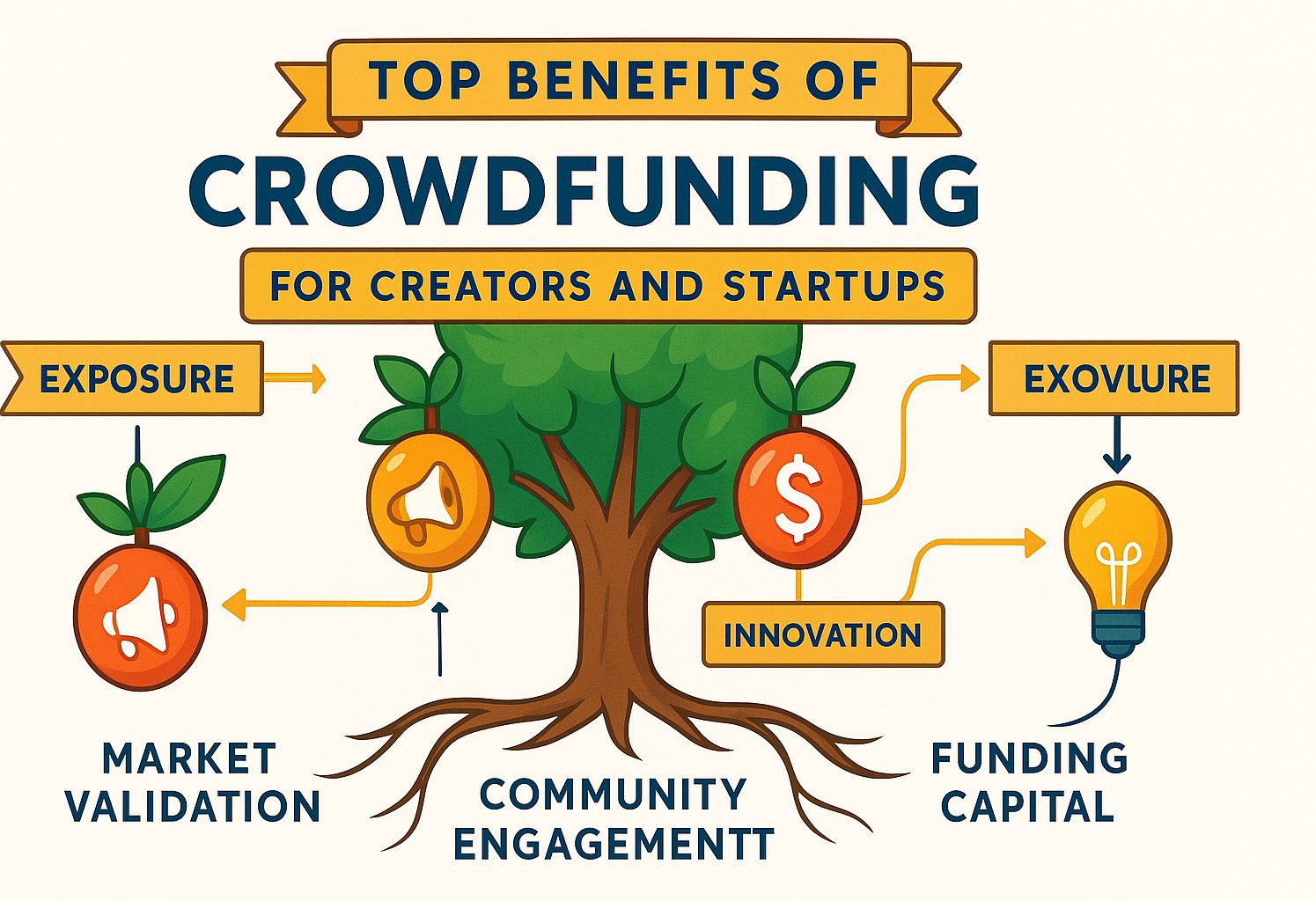

In the evolving landscape of modern finance, crowdfunding has emerged as one of the most exciting and disruptive forces challenging the dominance of traditional lending. Once, the path to funding an idea or launching a business was rigidly defined—entrepreneurs visited banks, filled out stacks of paperwork, and waited for approval based on credit history and collateral. But now, in an era defined by connectivity and creativity, a new alternative has arrived. Crowdfunding has revolutionized how people raise money, replacing institutions with communities and gatekeepers with networks of believers. The question that now looms over the financial world is bold but unavoidable: can crowdfunding truly replace traditional loans? To answer that, we must look beyond numbers and interest rates. We must explore how this modern method reshapes relationships, motivations, and the very meaning of financial empowerment.
The Traditional Loan: Stability with Strings Attached
For generations, traditional loans have served as the cornerstone of business funding. They offered stability, structure, and predictability. Banks and financial institutions provided capital upfront, and borrowers repaid it with interest over time. This model fueled economies, built empires, and sustained entire industries. Yet it also came with limitations—ones that many entrepreneurs and individuals increasingly find stifling.
Obtaining a bank loan requires credit history, collateral, and often a lengthy vetting process. For startups, artists, and small business owners, these requirements can be an insurmountable hurdle. Traditional lenders view risk through spreadsheets and algorithms, not through potential or passion. A great idea without an established track record is often dismissed.
The other challenge lies in control. Bank loans are inflexible. Once a loan is secured, repayment schedules are rigid, and missing payments can lead to penalties, damaged credit, or even business closure. While traditional loans remain a vital part of financial ecosystems, their structure feels increasingly outdated in a world driven by innovation and inclusivity.
Crowdfunding: The Power of Collective Capital
Crowdfunding flips the traditional funding model on its head. Instead of borrowing money from one institution, creators and entrepreneurs raise small contributions from hundreds or even thousands of people who believe in their idea. Platforms like Kickstarter, Indiegogo, and GoFundMe have turned this concept into a global phenomenon. With a compelling story, engaging visuals, and clear goals, anyone can transform an idea into a movement of financial support.
The essence of crowdfunding lies in community. Contributors are not faceless lenders—they are participants, backers, and advocates. They don’t demand interest or collateral; they invest their trust and enthusiasm. In return, they receive rewards, early access, or the satisfaction of supporting innovation. This sense of shared purpose not only funds ideas but also creates instant customer bases and organic marketing momentum.
Unlike loans, crowdfunding capital doesn’t have to be repaid. Instead, creators owe their supporters delivery and transparency. That freedom from debt changes everything—it replaces fear of repayment with motivation to deliver. Crowdfunding has become more than a financial model; it’s a cultural shift toward collective creation.
Risk and Responsibility: Two Different Philosophies
While both crowdfunding and traditional loans revolve around money, their philosophies could not be more different. Traditional lending is transactional. The bank provides funds, the borrower repays them, and the relationship ends when the debt is settled. Crowdfunding, on the other hand, is relational. It builds emotional bonds between creators and contributors. Success is measured not just in profit, but in participation and belief. However, this difference also introduces unique risks. Crowdfunding lacks the formal safeguards of traditional finance. Projects may fail to deliver, and backers can lose money without legal recourse. Entrepreneurs who raise funds must manage expectations, fulfill promises, and maintain trust—a form of accountability that is public and personal rather than contractual.
Banks, by contrast, operate with structure and security. They assess creditworthiness, monitor repayment schedules, and enforce regulations. While less personal, this structure ensures stability and predictability—qualities that crowdfunding sometimes lacks. In essence, crowdfunding replaces financial risk with reputational risk. A failed project may not leave a founder in debt, but it can damage credibility and brand trust. Both systems demand responsibility; they simply measure it differently.
The Accessibility Revolution
One of crowdfunding’s greatest advantages over traditional loans is accessibility. Banks have long been gatekeepers of capital, serving those who already have financial credibility. Crowdfunding removes those barriers. It welcomes anyone with a dream, a plan, and a story worth telling. For small business owners, inventors, and artists, this accessibility is transformative. No credit score? No problem. No collateral? Not required. Crowdfunding democratizes finance, giving power back to the people. It has helped startups bypass financial institutions, students fund education, and communities rebuild after disasters.
This inclusivity also extends globally. In many developing regions, where banking systems are limited or interest rates are prohibitively high, crowdfunding has emerged as a lifeline. Platforms like Kiva have introduced micro-lending models that connect donors with small entrepreneurs in need, enabling global participation in local growth. However, accessibility comes with its own challenges. Success in crowdfunding depends heavily on visibility and storytelling. A great campaign can raise millions, but a poorly marketed one may struggle—even with a brilliant idea behind it. Access is open to all, but success still depends on the ability to connect with an audience.
Comparing the Costs: Interest vs. Influence
When analyzing whether crowdfunding can replace traditional loans, cost is a critical factor. Traditional loans charge interest—sometimes substantial amounts that compound over years. Entrepreneurs must not only repay the principal but also cover the bank’s profit margin, administrative fees, and potential penalties. The longer the repayment period, the higher the total cost of capital. Crowdfunding, by contrast, eliminates financial repayment altogether. There’s no debt, no interest, and no long-term financial burden. Yet there is another kind of cost—one of effort and engagement. Crowdfunding requires time, transparency, and marketing savvy. A creator must communicate effectively, provide updates, and build trust throughout the campaign. Additionally, success on platforms often depends on giving something back—whether it’s a product prototype, limited-edition merchandise, or exclusive experiences. These rewards represent a cost in production and logistics, though they are typically far less burdensome than long-term loan interest.
There’s also a hidden benefit: crowdfunding generates publicity. Campaigns often double as marketing campaigns, reaching audiences that traditional loans never could. This “cost” of storytelling often becomes an asset, turning funders into loyal customers. In contrast, a traditional loan may provide capital, but it does not create buzz, brand awareness, or a community. Crowdfunding’s value extends far beyond funding—it builds an ecosystem of advocates who carry a project forward.
The Future of Finance: Coexistence or Competition?
So, can crowdfunding replace traditional loans? The answer is both yes and no. Crowdfunding has already replaced loans for many early-stage creators, startups, and social ventures that value flexibility, creativity, and independence. It has proven that people-powered finance can sustain entire industries—from consumer tech to film to philanthropy. However, traditional loans still dominate in sectors that require large-scale capital or regulatory stability. Real estate, infrastructure, and long-term corporate financing often depend on the structured reliability of banks and lenders. Crowdfunding, while powerful, isn’t always suitable for high-cost or long-term ventures.
Yet, the two worlds are increasingly converging. Hybrid models now combine the strengths of both approaches. Equity crowdfunding platforms like StartEngine and Republic offer investors a share of ownership rather than a simple reward. Meanwhile, peer-to-peer lending sites such as LendingClub and Funding Circle mirror the crowdfunding model but with repayment terms similar to traditional loans. This blending of models suggests a future of coexistence rather than replacement. Crowdfunding won’t erase traditional finance—but it will reshape it, pushing institutions to become more accessible, transparent, and human-centered.
A World Empowered by Community Capital
The true power of crowdfunding lies not just in raising money, but in raising belief. It transforms the act of funding from a private transaction into a shared experience. Where banks see risk, people see potential. Where traditional finance demands repayment, crowdfunding fosters reciprocity. Crowdfunding has made it possible for a high school student to fund a scientific invention, for an artist to release a debut album, and for communities to rebuild homes after disasters—all without a single loan application. It replaces gatekeeping with global participation and debt with collective trust. While traditional loans will always have a place in the economy, crowdfunding represents the heart of modern finance—a movement driven by collaboration, creativity, and shared purpose. It reflects a world where finance is not confined to institutions, but open to imagination. In the years ahead, the question may not be whether crowdfunding can replace traditional loans, but whether we even need to think of them as separate. Together, they represent two sides of the same coin—security and spirit, structure and innovation. When balanced wisely, they offer a new vision for how humanity funds its future: not through debt, but through connection.