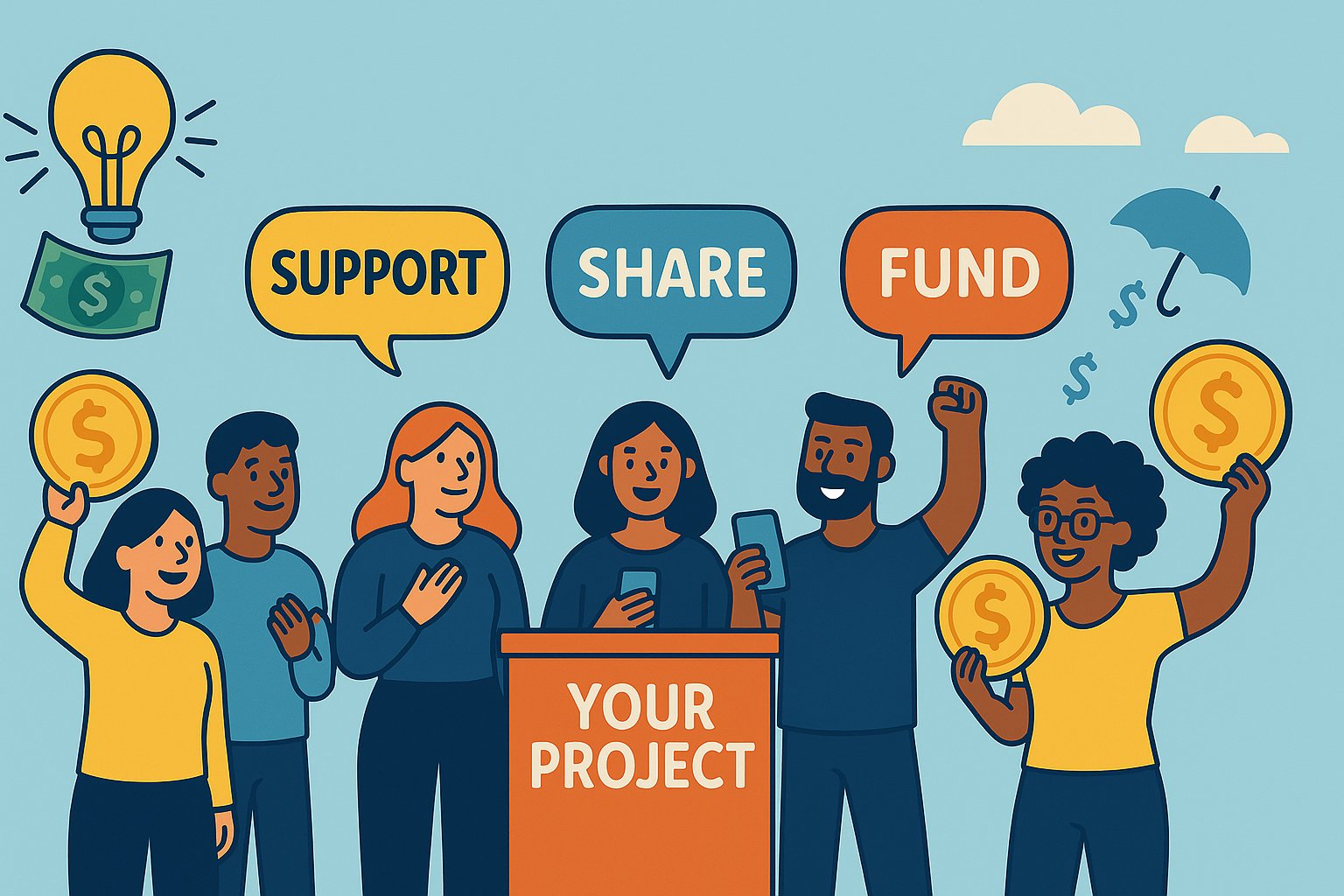

In the modern world of entrepreneurship, crowdfunding has become more than a financial tool—it’s a stage where innovation meets community. Creators from every corner of the world now bring their dreams to life through platforms like Kickstarter, Indiegogo, and GoFundMe. But not all ideas are built the same. The strategy behind crowdfunding a physical product, like a smartwatch or backpack, differs greatly from that of a digital product, like an app or video game. The challenge lies in understanding how these two worlds operate and why each demands a distinct approach to storytelling, trust, and delivery. Crowdfunding for physical versus digital products isn’t simply about material versus code—it’s about perception, expectation, and engagement. Both have captivated millions of backers and raised billions in funding, yet the road to success can look entirely different. Understanding these differences is essential for creators hoping to thrive in the fast-paced world of collective financing.
Building Tangibility: The Allure of Physical Products
There’s something inherently captivating about physical products on crowdfunding platforms. They can be touched, held, and experienced in the real world—attributes that spark curiosity and desire among potential backers. Whether it’s a revolutionary new piece of tech, an ergonomic backpack, or a beautifully designed watch, physical products tend to grab attention through visuals and promise of utility. The physical nature of these items makes them easier to imagine integrating into daily life.
However, the appeal of physical products comes with logistical challenges. Manufacturing, shipping, and inventory management can become overwhelming, especially for first-time creators. Delays are common, and backers have learned to be cautious. The credibility of a physical product campaign often depends on how well a creator demonstrates prototypes, supply chain readiness, and realistic timelines. Visual storytelling—through product videos, demos, and mockups—is critical for building confidence.
The most successful campaigns often showcase not only design excellence but also manufacturing preparedness. Backers want to see that creators can deliver what they promise. The tangible nature of physical products attracts excitement—but it also demands accountability and precision.
The Digital Revolution: Funding Ideas in the Cloud
While physical products thrive on tangibility, digital products live in a space of imagination and innovation. From mobile apps and software tools to video games and digital art, crowdfunding for digital creations taps into an audience that values creativity and experience over possession. Backers are often more interested in supporting a vision or concept that aligns with their interests rather than owning something physical. Digital products have an advantage in scalability and delivery. There’s no inventory, no warehouses, and no shipping delays. Once a product is developed, it can be distributed instantly to thousands of users worldwide. This efficiency has made digital crowdfunding especially popular among developers, designers, and educators. However, it comes with its own set of challenges—chiefly around trust and perceived value. Since digital products can’t be physically held or demonstrated, creators must rely on storytelling, concept art, prototypes, or early access versions to convince backers of their potential. The promise of a digital experience must feel real enough to warrant financial support. Transparency about development stages, features, and updates becomes the cornerstone of building credibility in this space.
Storytelling and Marketing: The Emotional Connection
Crowdfunding success often depends less on the product itself and more on the story behind it. Whether a project involves a physical gadget or a digital masterpiece, the narrative needs to spark emotion and connection. But the approach to storytelling differs between the two.
For physical products, storytelling is sensory-driven. Campaigns often showcase sleek designs, hands-on demos, and lifestyle imagery that helps people visualize themselves using the product. Backers want to see quality, craftsmanship, and the problem the item solves. Marketing focuses on physical attributes—texture, portability, aesthetics, and durability—brought to life through photography and video.
Digital products, by contrast, thrive on imagination. Their campaigns focus on vision, functionality, and creative ambition. A new app might tell a story about improving productivity or empowering creativity, while a game might immerse backers in a fictional world long before it’s finished. Digital creators lean heavily on emotion, storytelling, and the promise of experience. They invite backers to be part of the creative journey, offering early access, community input, and exclusive content as incentives. In both realms, authenticity matters. Backers support people, not just products. Campaigns that communicate passion, transparency, and purpose are far more likely to stand out in a crowded marketplace.
Challenges Behind the Scenes: Production vs. Development
Behind every crowdfunding success story lies a complex process of execution. For physical product creators, the greatest hurdle is often production. Turning a prototype into a mass-produced item involves multiple stages—sourcing materials, coordinating with manufacturers, ensuring quality control, and navigating global logistics. A minor misstep in production or shipping can quickly erode backer trust. Manufacturing costs also make budgeting difficult. Unforeseen expenses for molds, packaging, or international tariffs can lead to financial strain. Creators must plan with precision and communicate openly about timelines and challenges. In many cases, the production phase is where crowdfunding dreams are tested the hardest.
Digital product creators face a different set of challenges. Their focus lies in software development cycles, user testing, debugging, and ongoing updates. A project may start strong but stall due to technical setbacks, lack of funding, or scope creep. Since there’s no physical prototype to prove progress, communication is key. Frequent updates, beta testing opportunities, and transparent development roadmaps keep the community engaged and patient.
Both paths require resilience and adaptability. While physical creators wrestle with factories and shipping containers, digital developers battle lines of code and compatibility issues. Crowdfunding success depends not only on the initial idea but also on a creator’s ability to navigate these obstacles with clarity and commitment.
The Psychology of Backers: Ownership vs. Experience
Crowdfunding backers don’t behave like traditional consumers—they’re participants in a story. Their motivations for funding a physical product versus a digital one often stem from different psychological triggers.
Physical product backers tend to be driven by ownership and innovation. They enjoy being among the first to own a new gadget or design that hasn’t yet hit the market. The sense of exclusivity and early access fuels excitement. Tangible rewards—like limited edition versions or personalized engravings—further enhance their emotional investment.
Digital backers, on the other hand, are motivated by engagement and creativity. They’re often fans of a creator’s vision and want to see it realized. For example, gamers supporting an independent studio might feel part of the creative process by offering feedback or gaining early access to content. Their satisfaction comes from participation and contribution rather than possession. Understanding these motivations helps creators tailor their campaigns. Physical campaigns emphasize quality, delivery, and uniqueness, while digital campaigns highlight creativity, updates, and community involvement. Knowing what drives your backers—and speaking directly to those motivations—can be the deciding factor between success and failure.
Funding Strategies That Work: Lessons from Both Worlds
While physical and digital products operate differently, they share a universal truth: preparation determines success. The best crowdfunding campaigns are those that balance passion with strategy. Successful creators invest time in building pre-launch buzz, growing an email list, and crafting professional visuals that inspire confidence. They also set realistic funding goals and stretch targets, ensuring that each milestone delivers tangible value to backers. For physical products, offering early prototypes and production updates can build trust. Demonstrating supply chain readiness and shipping logistics reassures potential supporters that delivery will happen. Partnering with reliable manufacturers early in the process also reduces uncertainty.
For digital products, community engagement is everything. Developers who involve their backers in testing, feedback, and feature discussions create a sense of shared ownership. Consistent updates, transparent timelines, and exclusive previews turn contributors into loyal fans. Offering early access versions or downloadable perks can sustain momentum long after the campaign ends. In both categories, creators must remember that crowdfunding is not just about raising money—it’s about building a foundation of relationships and reputation that can support future projects.
The Future of Crowdfunding: A Converging Path
As technology continues to evolve, the line between physical and digital crowdfunding is blurring. Many of today’s most successful campaigns combine both worlds. A wearable fitness device, for instance, pairs hardware with a digital app. An online course might offer exclusive physical merchandise. Hybrid models are becoming the new normal, giving backers experiences that blend touch and technology.
Virtual reality, artificial intelligence, and blockchain-based funding platforms are further transforming the landscape. These innovations make it possible to tokenize ownership, streamline payments, and verify delivery in ways that were once impossible. The rise of Web3 and decentralized finance is also enabling creators to connect directly with supporters without relying on traditional intermediaries.
Looking ahead, the most exciting crowdfunding ventures will likely come from creators who merge physical presence with digital experience—where innovation isn’t limited by form but fueled by imagination. As audiences grow more global and sophisticated, the expectations for creativity, quality, and transparency will continue to rise. Crowdfunding’s future lies in its adaptability. Whether funding a tangible invention or a digital dream, success will belong to those who understand their audience, master their craft, and communicate with authenticity.
The Spirit of Creation: Why Both Matter
Ultimately, the debate between physical and digital crowdfunding isn’t about which is better—it’s about how each captures a different dimension of human creativity. Physical products connect us through touch, design, and daily utility. Digital products connect us through imagination, innovation, and shared experience. Together, they represent the full spectrum of what it means to bring ideas to life in the 21st century. Both paths celebrate the same spirit: empowerment through community. Crowdfunding gives creators the freedom to dream beyond traditional barriers and invites the world to participate in those dreams. Whether you’re crafting the next smart device or designing a groundbreaking app, success depends on more than a funding goal—it’s built on trust, vision, and the willingness to share your journey with the crowd. In a world increasingly driven by digital connections, crowdfunding remains a reminder of something deeply human: the collective desire to create, support, and believe in new possibilities. Whether physical or digital, each project tells a story of people uniting around innovation—and that shared story is what keeps the crowdfunding revolution alive.