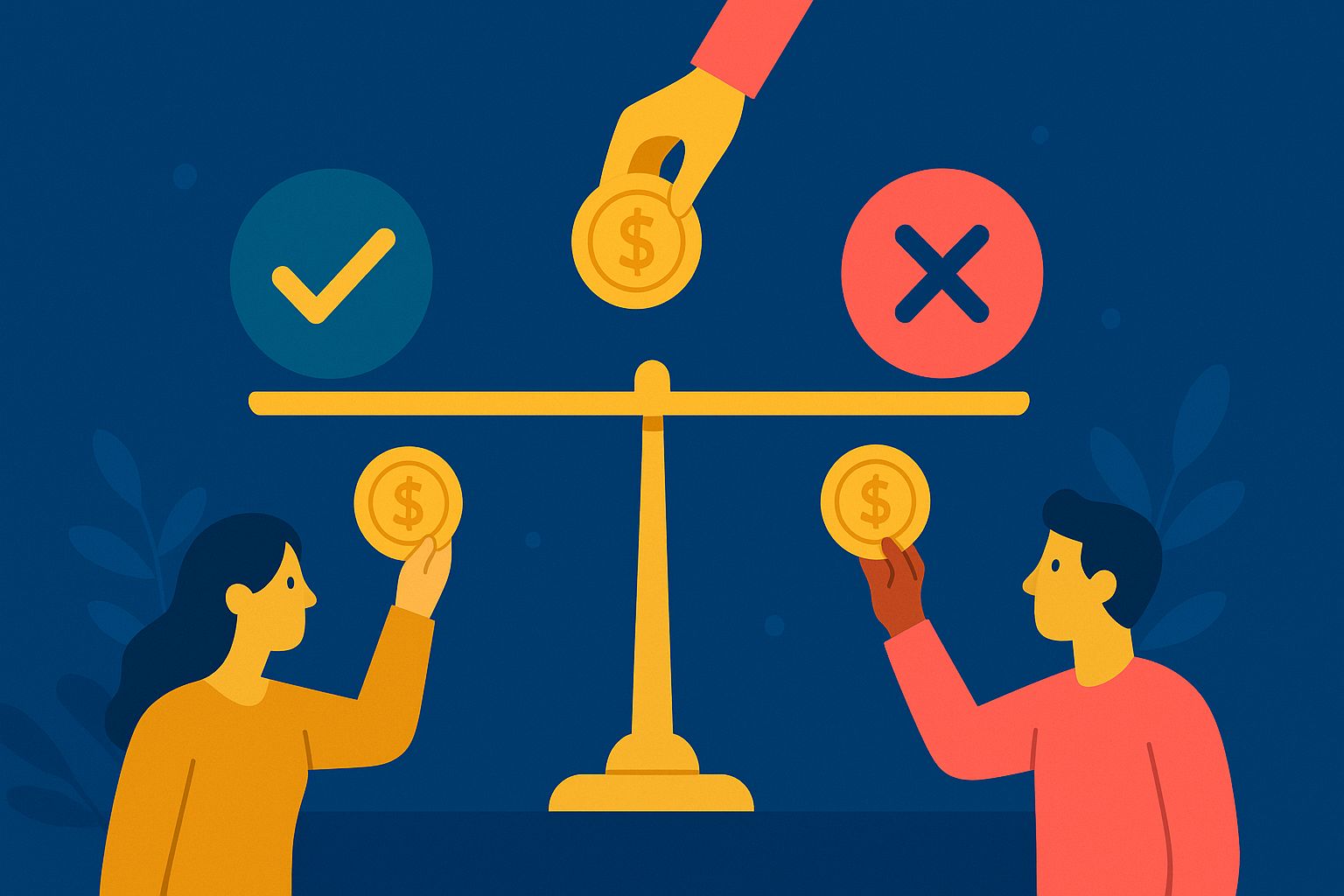

Why do people give? What compels someone to reach into their pocket—or click “donate”—to support a cause, fund a project, or help a stranger? The act of giving seems simple, yet beneath it lies a complex web of emotion, psychology, and social influence. Generosity is not just a moral choice—it’s a deeply human instinct shaped by centuries of evolution, cultural conditioning, and psychological triggers. In the digital age, understanding these triggers has become essential for anyone seeking to inspire action. Whether it’s a crowdfunding campaign, a charity drive, or a community movement, success often depends less on the cause itself and more on how it connects to human motivation. The decision to give is never purely rational—it’s emotional, intuitive, and profoundly social. To truly grasp why people give, we must explore the psychological landscape that drives compassion, belonging, and purpose.
The Power of Emotional Connection
At the heart of generosity lies emotion. People don’t give because of statistics—they give because of stories. While data may inform, it rarely moves people to act. Emotion, however, bypasses logic and speaks directly to the heart. Campaigns that evoke feelings of empathy, hope, or even urgency activate the brain’s reward centers, making giving feel as satisfying as receiving.
When a person sees a photo of a struggling family or reads a heartfelt story about an inventor’s dream, they experience what psychologists call “empathic resonance.” This emotional mirroring allows them to feel what others feel, blurring the line between self and other. In that moment, helping someone else feels like helping oneself. Crowdfunding campaigns that succeed often understand this on a deep level. They don’t just present ideas—they humanize them. They let potential backers see the face, hear the voice, and feel the passion behind the project. Emotion becomes the bridge that connects strangers across screens and continents. In the world of giving, feeling is believing.
The Need for Belonging and Identity
Humans are inherently social creatures. From the earliest tribes to modern online communities, our survival and happiness have always depended on belonging. Giving, in many ways, is a reflection of this instinct. It allows people to express who they are and what groups they align with.
When someone donates to an environmental campaign, supports a local entrepreneur, or backs a creative project, they are doing more than offering money—they’re affirming their identity. They’re saying, “This is who I am and what I stand for.” Psychologists refer to this as “identity-based motivation.” People give when they feel that doing so aligns with their values and strengthens their social bonds.
Crowdfunding platforms amplify this phenomenon by creating micro-communities around shared beliefs. A backer doesn’t just support a project—they join a movement. Updates, comments, and shared goals create a sense of belonging that transcends the transaction. Giving becomes an act of participation—a way to be part of something larger than oneself.
The Reciprocity Effect: Giving to Feel Good
One of the most powerful triggers in human behavior is reciprocity—the desire to return kindness with kindness. This principle, rooted deeply in social psychology, governs much of human interaction. When someone gives us something—be it a gift, a compliment, or even gratitude—we feel compelled to give back. In the context of charitable giving or crowdfunding, reciprocity takes on subtle forms. When creators express genuine appreciation, share progress updates, or offer small rewards, backers feel valued. This emotional exchange creates a loop of goodwill, where each act of giving reinforces the next. Interestingly, the reciprocity effect doesn’t require material rewards. Emotional rewards like recognition or inclusion can be just as powerful. A simple thank-you message or a public acknowledgment can make donors feel seen, appreciated, and connected. In essence, generosity begets generosity. The more people feel their contributions matter, the more likely they are to give again.
The Urgency of Action: Fear of Missing Out
While emotion and empathy draw people in, urgency drives them to act. The human brain is wired to respond to scarcity and time limits—a phenomenon known as the “fear of missing out,” or FOMO. When opportunities seem fleeting, people act faster and with more conviction. Crowdfunding campaigns often harness this psychological trigger effectively. Limited-time offers, stretch goals, and countdown clocks create a sense of momentum and exclusivity. Potential backers feel that their participation matters right now—that if they hesitate, they might lose their chance to be part of something meaningful.
Urgency also plays into our desire for impact. People want to feel that their contribution makes a difference at a crucial moment. When they sense that their action can tip the scales toward success, they experience a rush of purpose. In this way, urgency transforms passive interest into active engagement. However, the key to using urgency ethically lies in authenticity. Manufactured pressure can backfire, but genuine time sensitivity—such as funding a rescue effort or reaching a critical milestone—can inspire powerful collective action.
The Influence of Social Proof
Few forces shape human behavior as strongly as social proof—the psychological tendency to look to others for guidance on how to act. When people see a crowd supporting a cause or backing a project, they instinctively want to join. Social validation reassures us that our decisions are safe, smart, and socially approved. In crowdfunding, social proof takes many forms: the number of backers, testimonials, updates highlighting support, and influencer endorsements. Each signal tells potential supporters that others believe in this cause—and that they should too. The effect is both emotional and cognitive. Emotionally, social proof reduces anxiety by making giving feel communal rather than risky. Cognitively, it triggers a sense of trust—if hundreds of others have already contributed, the project must be credible. This creates a snowball effect: early adopters attract more supporters, and the campaign gains exponential momentum. The power of social proof reveals an essential truth about human psychology: we are motivated not just by what we believe, but by what we see others believing.
The Joy of Impact and Meaning
People give because they want to make a difference. But more importantly, they give because they want to feel that difference. The sense of impact is one of the strongest motivators in human generosity. When donors can clearly see the results of their contribution, their satisfaction and likelihood to give again increase dramatically. This is why storytelling and transparency are vital in crowdfunding and philanthropy. Regular updates, photos, and progress reports turn abstract giving into tangible outcomes. They transform donors from spectators into participants. Each milestone achieved validates their choice to give, reinforcing the psychological reward loop that keeps generosity alive.
Moreover, impact fuels meaning. In a world often defined by noise and distraction, people yearn for significance. Giving offers that sense of purpose—a chance to leave a mark, however small, on something that matters. Psychologists call this the “warm glow” effect: the emotional satisfaction that comes from doing good. It’s not about altruism alone; it’s about fulfillment. Crowdfunding platforms that emphasize this emotional return—by showing backers exactly how their contributions changed lives or advanced innovation—tap into one of humanity’s deepest psychological needs: the need to matter.
The Role of Authenticity and Trust
No psychological trigger is more fundamental to giving than trust. People won’t part with their money—or their belief—if they sense dishonesty or manipulation. Authenticity is the cornerstone of every successful act of generosity. Trust operates on multiple levels. First, there’s credibility—the sense that the creator or organization is competent and transparent. Then there’s integrity—the belief that their intentions are genuine. Finally, there’s emotional honesty—the feeling that their passion is real. When all three align, giving becomes an easy, natural choice.
In crowdfunding, trust is built through communication. Regular updates, personal videos, open responses to questions—all signal reliability. Conversely, silence or vague promises erode confidence. The digital nature of crowdfunding amplifies this dynamic; people invest not in corporations, but in human stories. The more real those stories feel, the stronger the bond of trust becomes. Authenticity also has a psychological ripple effect. When backers trust a creator, they share that trust with others, spreading credibility through word of mouth. In a landscape crowded with campaigns, authenticity is not just a virtue—it’s a competitive advantage.
Beyond Generosity: Giving as Self-Expression
At its deepest level, giving isn’t just about helping others—it’s about expressing who we are. When people donate to causes or fund ideas, they are revealing their values, aspirations, and worldview. Every act of generosity becomes a mirror reflecting personal identity. Psychologists describe this as “self-concept alignment.” When our actions align with our beliefs, we experience a powerful sense of harmony and pride. Giving becomes more than charity—it becomes self-affirmation. It tells us we are the kind of people who care, create, and contribute.
This is why giving feels so good. It reinforces our sense of purpose, belonging, and moral integrity. It turns empathy into empowerment. Whether supporting an environmental campaign, funding a creative vision, or helping a neighbor in need, people give not only to change the world—but to understand themselves within it. Crowdfunding taps directly into this drive. It offers not just a platform for funding, but a platform for identity. Each contribution, no matter how small, is a declaration: “I am part of this story.”
The Eternal Cycle of Generosity
In the end, the psychology of giving reveals a profound truth: generosity is both instinct and inspiration. It’s not merely an act of kindness—it’s an expression of our deepest humanity. The triggers that make people give—emotion, belonging, reciprocity, urgency, social proof, impact, and authenticity—are all reflections of universal human desires: to feel connected, valued, and meaningful. Crowdfunding and modern philanthropy have made these triggers more visible, transforming generosity into a shared experience that transcends borders and backgrounds. But the essence remains timeless. People give because giving feels right—because it satisfies not just financial goals, but emotional and spiritual needs. The beauty of this truth lies in its simplicity: when we give, we don’t just change someone else’s life—we change our own. We rediscover empathy, connection, and the shared humanity that binds us all. And in that act of giving, we remind ourselves that the most powerful currency in the world isn’t money—it’s compassion.