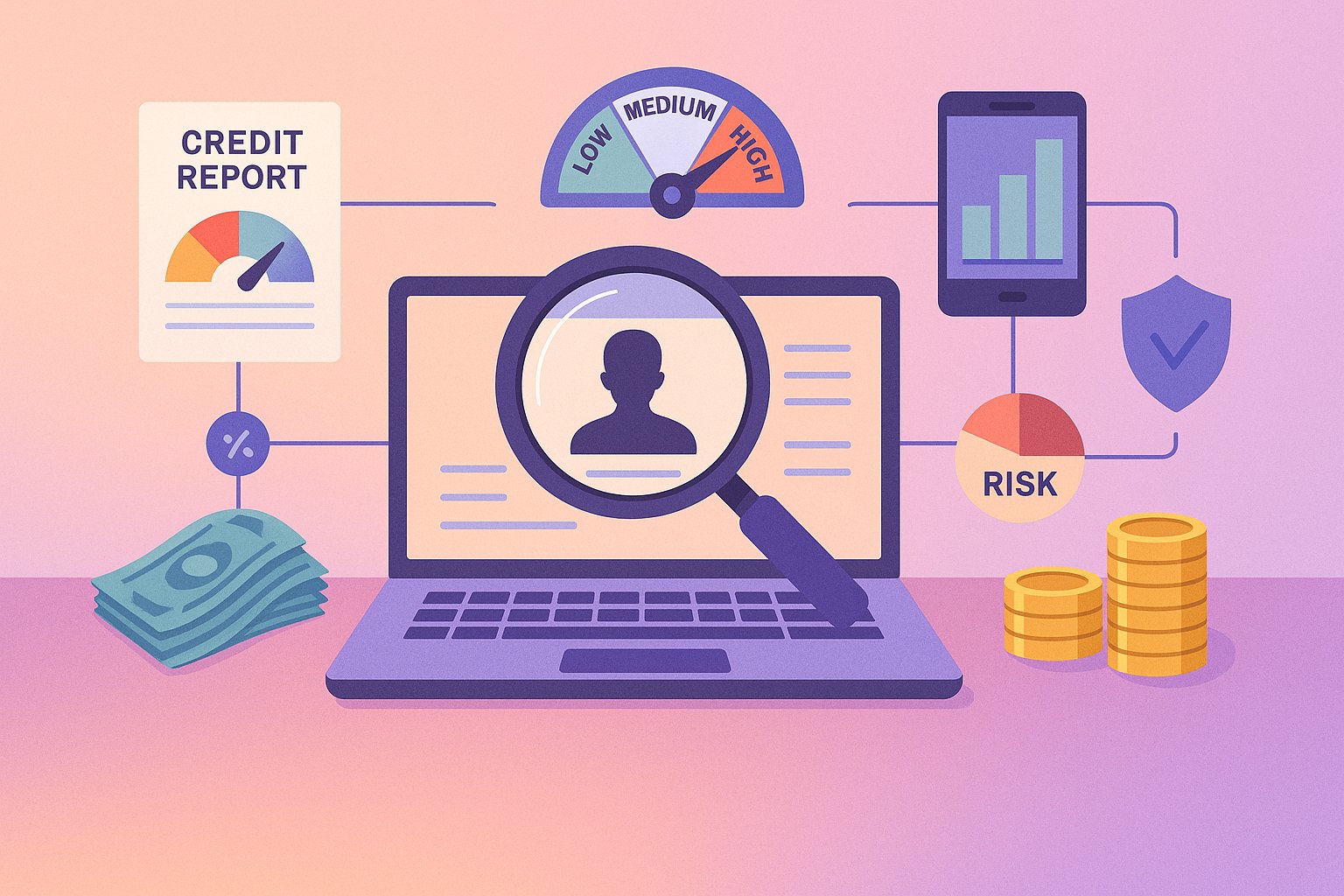

Debt-based crowdfunding has changed the way entrepreneurs, small businesses, and individuals raise capital. By leveraging online platforms, borrowers can access funding directly from investors without going through the red tape of traditional banks. While this model offers greater flexibility, it also comes with rigorous screening. One of the most critical, yet often overlooked, factors in the approval process is credit utilization. Credit utilization—the ratio of your outstanding credit balances to your total available credit—serves as a key measure of how responsibly you manage debt. Platforms and investors interpret this number as a window into your financial discipline. Even if your payment history is strong, high credit utilization can cast doubt on your ability to take on additional obligations. For applicants hoping to launch successful debt crowdfunding campaigns, understanding and managing this factor is essential.
Understanding Credit Utilization in Simple Terms
At its core, credit utilization is about balance. It measures how much of your available credit you are currently using, typically expressed as a percentage. For example, if you have $10,000 in total credit limits and carry $4,000 in balances, your utilization rate is 40 percent. Most experts suggest keeping this ratio below 30 percent, as higher percentages may signal financial stress.
Debt crowdfunding platforms pay close attention to this number because it indicates whether you are already stretched too thin. A high utilization ratio suggests reliance on borrowed funds to cover everyday expenses, raising concerns about repayment capacity. Conversely, a low utilization ratio demonstrates that you use credit sparingly, leaving ample room to handle additional debt responsibly. For investors evaluating dozens of potential borrowers, utilization provides a quick yet powerful way to separate disciplined applicants from riskier ones. In short, it is not just a technical metric—it is a reflection of trustworthiness.
Why Platforms and Investors Care So Deeply
Debt crowdfunding is built on trust and transparency. Unlike banks, which often require collateral or extensive personal guarantees, crowdfunding relies heavily on credit profiles to determine whether an applicant is worthy of investor support. Credit utilization, as part of that profile, signals how well you manage existing obligations.
High utilization can trigger doubts on multiple levels. Platforms may fear that approving your campaign exposes them to reputational risk if you default. Investors may view your high balances as evidence that you are already struggling financially. Both perspectives lead to the same outcome: reduced approval odds, higher interest rates, or difficulty attracting backers. Low utilization, on the other hand, enhances credibility. It shows that you are not overdependent on borrowed money and that you have the discipline to manage cash flow effectively. This perception often translates into smoother approvals, more competitive terms, and greater investor confidence in your campaign.
The Direct Impact on Approval Odds and Terms
While every platform uses its own algorithms to evaluate borrowers, credit utilization consistently plays a major role in approval decisions. Applicants with utilization ratios above 50 percent often face steep challenges. Even if they are approved, the terms may be unfavorable, with higher interest rates designed to compensate for perceived risk. On the flip side, applicants with utilization rates under 30 percent typically enjoy stronger approval odds. Their campaigns often attract investors more quickly, since backers perceive them as safer bets. In competitive markets where multiple campaigns vie for attention, this small percentage difference can determine whether your campaign is funded in weeks or lingers without support.
The influence of utilization also extends to borrowing limits. Platforms may cap the amount you can raise based on your current credit usage. By lowering utilization in advance, you expand your funding potential and increase flexibility in structuring your campaign. In essence, managing this metric directly shapes not only whether you are approved but also how much capital you can access and at what cost.
Strategies for Managing and Reducing Utilization
Improving your credit utilization before applying for a debt crowdfunding campaign is not just possible—it is often straightforward with the right strategies. The most effective approach is paying down outstanding balances. Reducing credit card debt, personal loans, or lines of credit immediately lowers your utilization ratio and strengthens your credit profile.
Another method is requesting credit limit increases on existing accounts. By expanding your available credit without increasing balances, you reduce your ratio. However, this strategy requires discipline; the new credit should not be used for additional spending. For some borrowers, consolidating high-interest balances into a single installment loan can also reduce utilization, since installment loans are treated differently from revolving credit in scoring models. Timing plays a key role. Credit reports update monthly, so reducing utilization even a few weeks before applying can significantly improve your standing. Applicants who plan their campaign around these cycles can present themselves in the best possible light to both platforms and investors.
The Psychological Signal Behind the Numbers
While credit utilization is a numerical metric, its true power lies in the psychological message it sends to investors. Borrowers with high utilization ratios often appear to be under financial stress, relying heavily on borrowed funds just to stay afloat. This perception can overshadow other positive factors such as strong payment history or steady income. Low utilization tells a very different story. It signals restraint, discipline, and financial health. Investors interpret it as evidence that you are not taking unnecessary risks and that you approach borrowing strategically. In the highly competitive environment of debt crowdfunding, where investors may only skim borrower profiles before making decisions, these subtle psychological signals can determine whether capital flows toward your campaign or elsewhere. Applicants should therefore treat utilization not just as a technical requirement but as part of the narrative they present to backers. By lowering utilization, you are not only improving a score—you are telling a story of responsibility and readiness.
Turning Utilization Discipline into Campaign Success
Managing credit utilization is more than a step in preparing for approval; it is a long-term practice that enhances every aspect of your financial profile. Borrowers who consistently keep utilization low enjoy better credit scores, stronger reputations, and greater flexibility when seeking capital. These advantages extend far beyond a single campaign, creating lasting credibility for future funding efforts. For debt crowdfunding applicants, the message is clear: credit utilization matters because it reflects both your present reality and your future potential. Investors are not just looking at whether you can repay—they are looking at how you manage the resources you already have. A strong utilization profile reassures them that their capital will be treated with care, encouraging them to lend with confidence. By paying attention to this single metric, you unlock a ripple effect that improves approval odds, lowers costs, attracts backers, and positions your campaign for lasting success. Credit utilization is not simply a number—it is a key to building trust and achieving financial momentum.