
For decades, startup investing was an exclusive game played behind closed doors. Only accredited investors—those with significant wealth—had access to the next big ideas before they went public. Entrepreneurs with brilliant visions often faced impossible odds trying to secure funding from venture capital firms or angel investors. Then, equity crowdfunding emerged and changed everything. Suddenly, anyone could invest in a startup they believed in. This democratization of finance gave rise to a new generation of backers, innovators, and businesses that blurred the line between investor and customer. The story of how equity crowdfunding transformed startup investing is not just about capital—it’s about empowerment, community, and a fundamental shift in who gets to shape the future.
From Exclusive Circles to Open Access
Before equity crowdfunding, startup investing was reserved for a privileged few. Venture capital firms and wealthy angels dominated early-stage financing, handpicking startups based on high growth potential and tight personal networks. Regulations under the Securities Act of 1933 restricted most individuals from participating in private company investments unless they met specific income or net worth thresholds. This system created a bottleneck: countless promising startups failed to get funding simply because they lacked access to elite investor circles. The passage of the JOBS Act (Jumpstart Our Business Startups Act) in 2012 shattered that barrier. For the first time, everyday investors could legally invest in startups through regulated online platforms. It marked the dawn of equity crowdfunding—a financial evolution that put power back in the hands of the people.
The Mechanics Behind Equity Crowdfunding
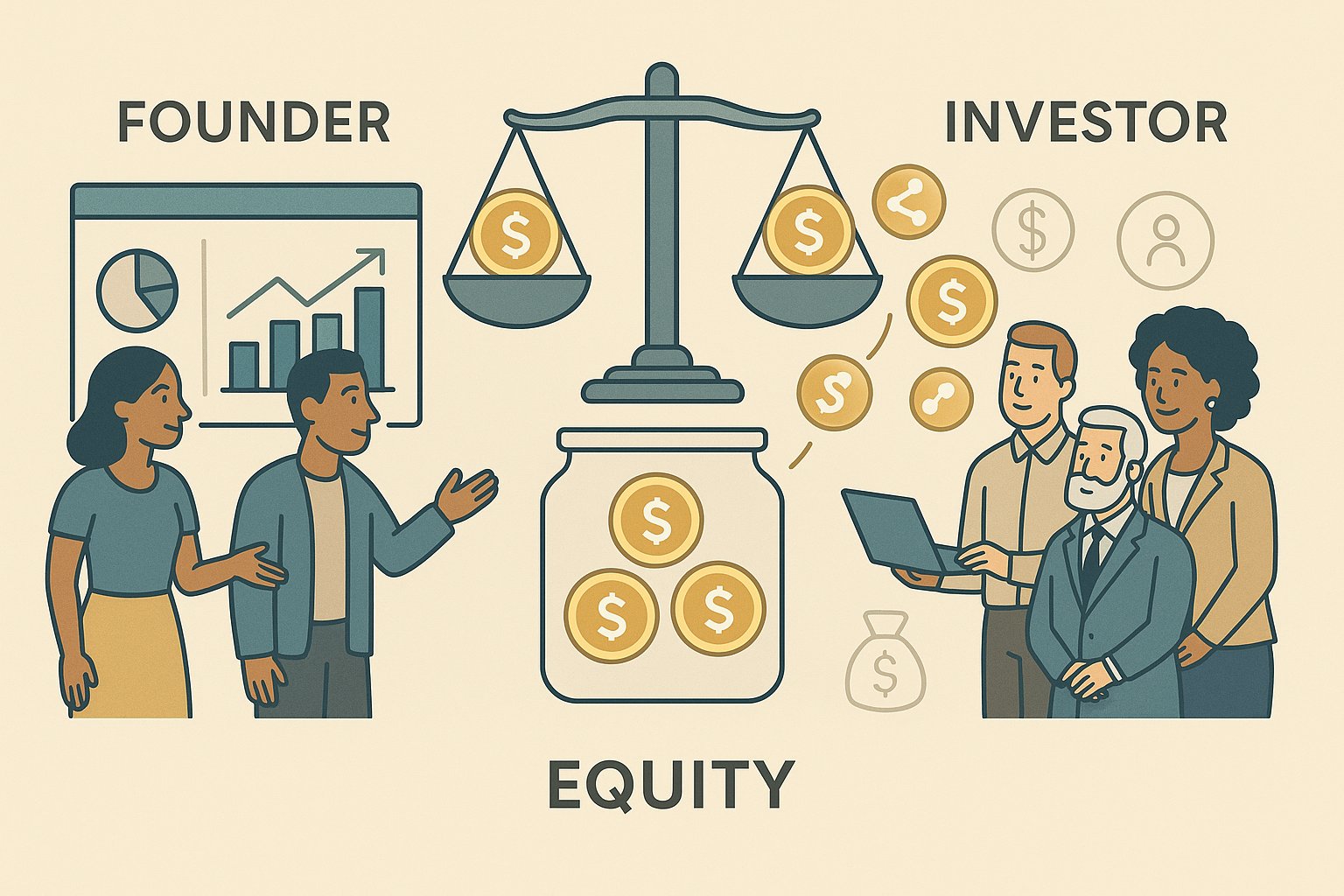
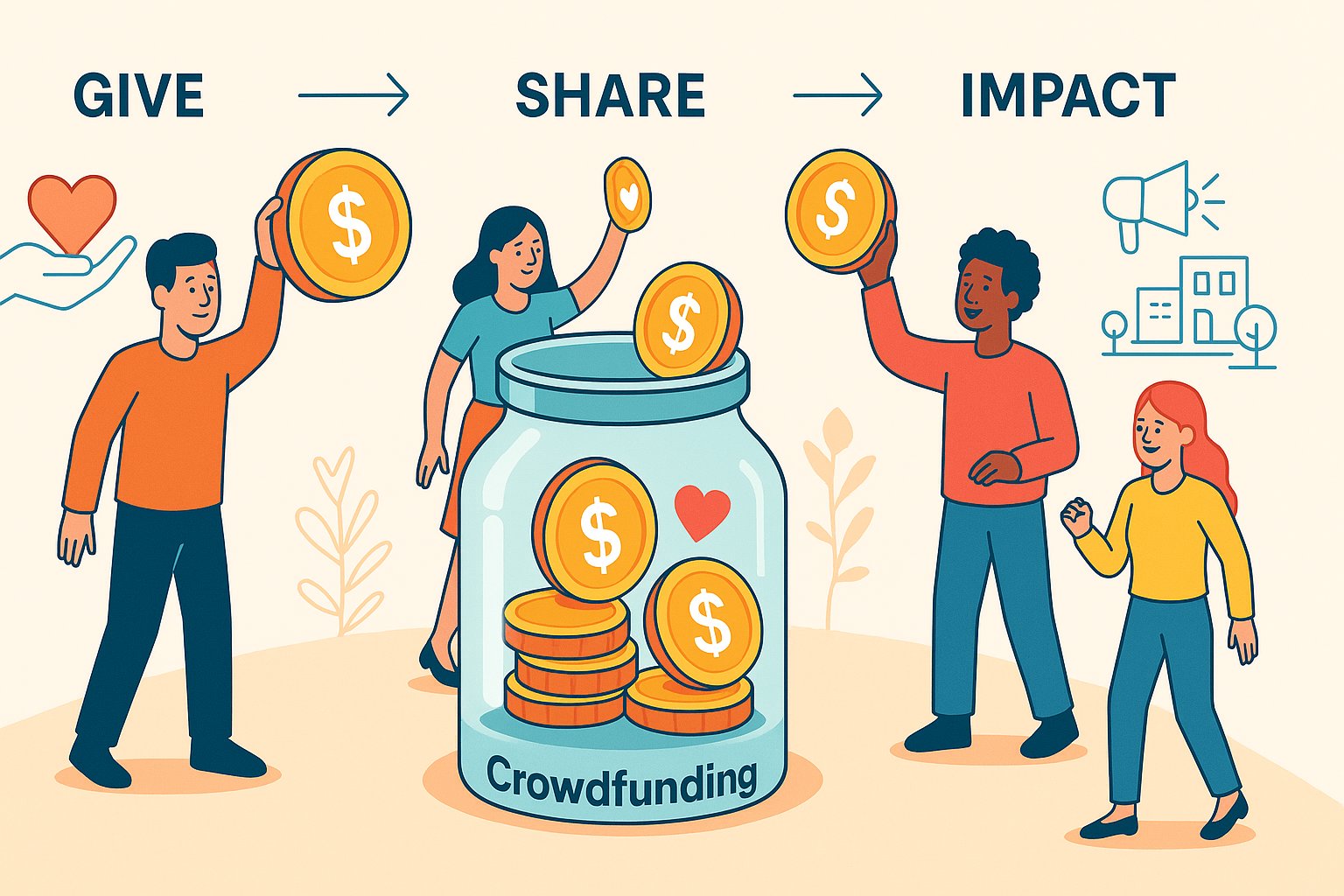
Equity crowdfunding allows individuals to invest small amounts of money in exchange for ownership shares in a private company. Platforms like SeedInvest, Republic, StartEngine, and Crowdcube have become digital marketplaces where startups showcase their business models, goals, and financials to attract investment. Investors can browse through campaigns, analyze projections, and contribute directly to ventures that align with their interests or values. This system merges the accessibility of crowdfunding with the structure of traditional equity investment. It’s a win-win: startups gain the capital they need while investors gain early access to potential high-growth opportunities. Unlike donation or reward-based crowdfunding, where backers receive perks or products, equity crowdfunding grants tangible stakes—real ownership. It transforms supporters into shareholders, fostering deeper loyalty and engagement between the company and its investors.
The Democratization of Startup Investing
The most profound impact of equity crowdfunding lies in its democratizing power. It dismantled the old gatekeeping system and invited everyone to participate in wealth creation. Suddenly, a college student could invest in a local tech startup, or a teacher could back an eco-friendly energy company. This inclusivity unleashed an entirely new investor class driven not by institutional privilege but by passion and purpose.
For startups, it meant access to diverse sources of funding that were previously unimaginable. Communities began investing in businesses they wanted to see succeed, aligning financial outcomes with shared values. This community-driven model not only funds ideas but validates them. When hundreds or thousands of investors put their money behind a vision, it signals real-world demand that goes far beyond market research. Equity crowdfunding didn’t just change who invests—it changed why people invest.
Building a New Relationship Between Startups and Investors
In traditional venture capital, investors often take significant control in exchange for their funding, influencing company decisions and long-term strategies. Equity crowdfunding flips that dynamic. It allows founders to raise money while maintaining greater autonomy over their vision. At the same time, it builds an emotionally invested network of supporters who serve as brand ambassadors, early customers, and advocates. This collective ownership creates a stronger connection between a company and its community. Instead of a few investors exerting power from boardrooms, hundreds of micro-investors spread excitement across social media and local markets. The relationship becomes symbiotic: startups thrive on community energy, while investors feel personally tied to the company’s success. In many cases, this community engagement becomes a powerful marketing engine that propels growth long after the campaign ends.
The Advantages Driving Growth
Equity crowdfunding offers distinct advantages that continue to fuel its rise. For startups, it provides access to capital without the traditional strings attached to venture capital funding. Founders retain more control and can tap into a diverse investor pool motivated by belief rather than just profit. Campaigns also serve as built-in marketing tools. By publicizing their story and mission, startups gain visibility that often translates into customer acquisition. For investors, the benefits are equally compelling. They can diversify their portfolios with small investments across multiple startups, reducing risk while gaining exposure to innovation. It’s a chance to get in early—long before IPOs or institutional funding rounds. Beyond financial returns, equity crowdfunding gives investors a sense of participation in shaping the next generation of businesses. They’re not just observers of innovation—they’re part of it.
The Risks and Realities
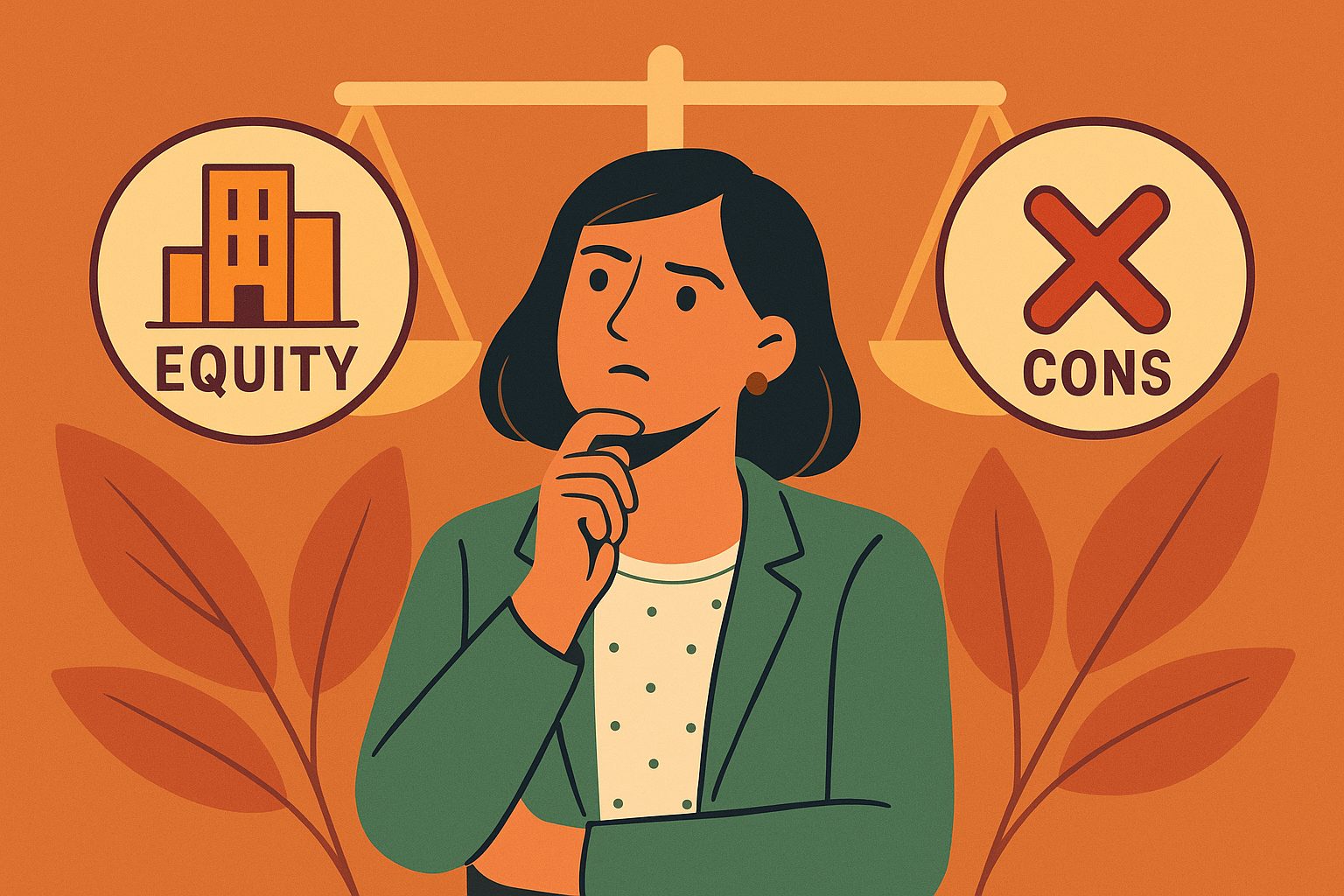
Despite its appeal, equity crowdfunding is not without its challenges. Investing in early-stage startups carries inherent risks. Many companies fail before reaching profitability, leaving investors with little or no return. Liquidity is another major issue. Unlike public stocks, privately held shares are not easily sold or traded, meaning investors may have to wait years—or indefinitely—for an exit event like an acquisition or IPO.
There are also concerns about transparency and due diligence. While platforms vet campaigns, they cannot eliminate all risk of mismanagement or overvaluation. Startups, too, face potential downsides. Managing hundreds of small investors requires careful communication, legal compliance, and financial reporting. Regulatory oversight helps maintain fairness, but it also adds administrative complexity and cost. Ultimately, both sides must approach equity crowdfunding with realistic expectations: it’s a high-risk, high-reward frontier where education and transparency are key to sustainable growth.
The ripple effects of equity crowdfunding are being felt worldwide. Emerging markets, once overlooked by traditional venture capital, are now gaining traction as local entrepreneurs tap into global investor interest. In regions like Southeast Asia, Latin America, and Africa, equity crowdfunding has become a catalyst for innovation, allowing startups to bypass institutional barriers and connect directly with their communities. It’s also driving the rise of specialized platforms tailored to niche industries—from clean energy and biotech to real estate and gaming. Governments and financial regulators are taking notice, updating laws to balance investor protection with startup flexibility. The result is a more inclusive, interconnected ecosystem that values transparency and shared opportunity. In essence, equity crowdfunding has blurred the borders of startup finance, turning what was once an elite marketplace into a global arena of collaboration.
The Future of Equity Crowdfunding
As technology evolves, the future of equity crowdfunding looks brighter than ever. Artificial intelligence and data analytics are enhancing investor matchmaking, helping individuals discover startups that align with their interests and risk profiles. Blockchain technology promises to solve liquidity challenges through tokenized equity, allowing investors to trade shares securely and efficiently. Hybrid funding models are also emerging, combining equity with revenue-sharing or convertible notes to provide flexibility for both startups and backers.
Meanwhile, increasing public awareness and education around alternative investing are expanding the market even further. The next decade will likely see equity crowdfunding mature from a niche trend into a mainstream investment vehicle rivaling traditional venture capital. The lines between investor, customer, and advocate will continue to blur, creating a more dynamic economy built on shared vision and participation.
Investing in the New Age of Innovation
Equity crowdfunding has forever changed how the world invests in ideas. It has taken startup finance out of exclusive boardrooms and into the hands of dreamers, doers, and everyday believers. It’s a revolution that celebrates collaboration over competition, community over control, and innovation over intimidation. For entrepreneurs, it offers empowerment and exposure; for investors, it offers access and excitement. Together, they form a new kind of marketplace—one driven not by gatekeepers, but by collective conviction. As this movement continues to grow, one thing is clear: the future of startup investing belongs to everyone. Equity crowdfunding didn’t just change how startups are funded—it changed who gets to shape the next wave of progress, turning every investor into a catalyst for change and every startup into a shared story of possibility.