
For generations, real estate investing was a privilege reserved for those with deep pockets, industry connections, or insider knowledge. Buying, managing, and profiting from property required significant capital and expertise. Then came the digital revolution—and with it, real estate crowdfunding. This innovative model broke down traditional barriers, allowing everyday investors to participate in property projects once limited to institutional players. By pooling funds from multiple investors online, real estate crowdfunding has turned the dream of property ownership and passive income into a more accessible reality. Whether you’re a seasoned investor or a curious beginner, understanding how this modern investment vehicle works is key to navigating the new world of digital real estate.
How Real Estate Crowdfunding Works
At its core, real estate crowdfunding allows multiple investors to collectively fund property developments, renovations, or acquisitions through online platforms. Instead of purchasing an entire property outright, individuals contribute smaller amounts of capital to participate in larger, professionally managed projects. These investments can include commercial buildings, residential developments, multifamily complexes, or even land acquisitions. Platforms such as Fundrise, RealtyMogul, and CrowdStreet connect investors with vetted real estate opportunities, providing detailed insights into each project’s financials, goals, and projected returns.
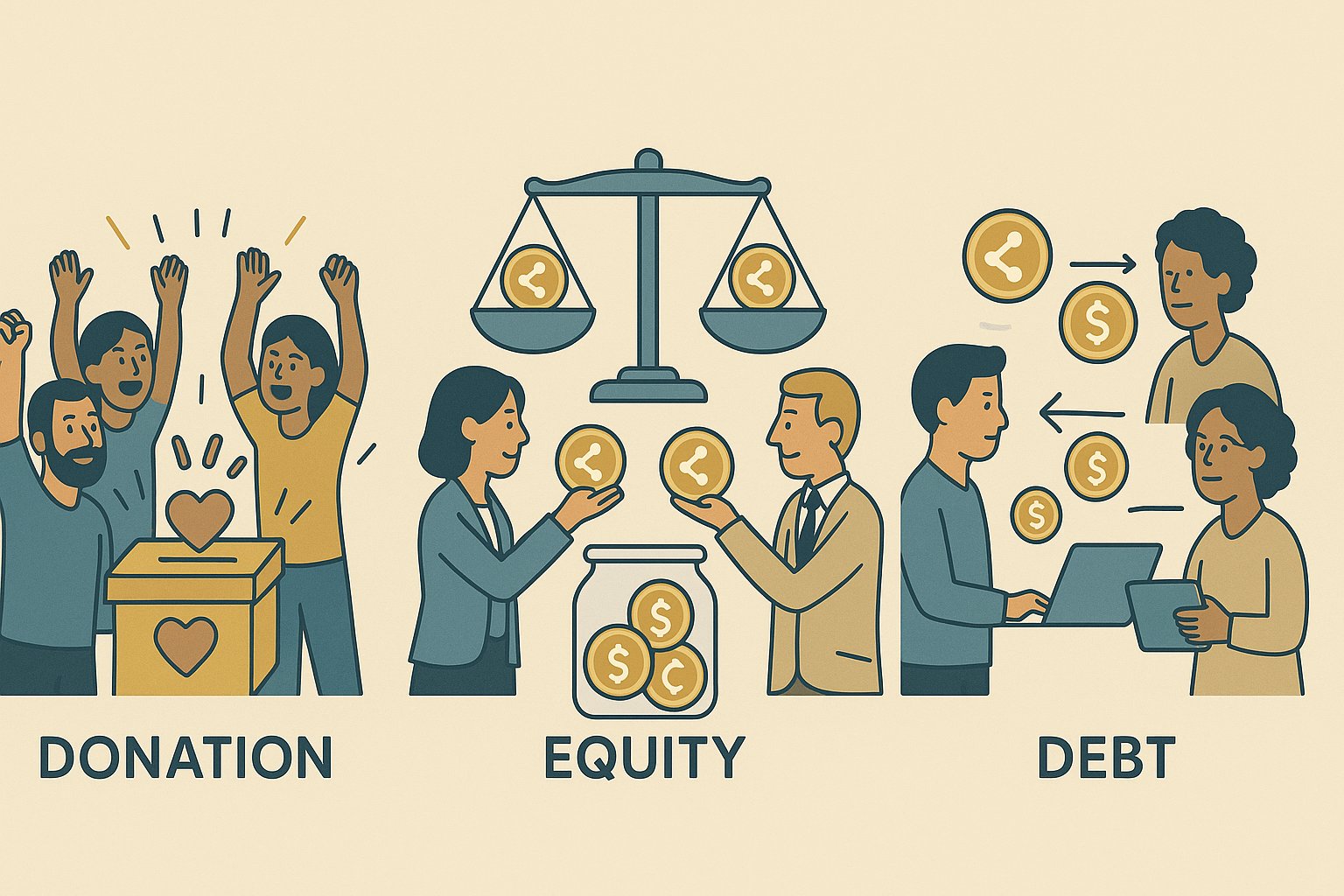
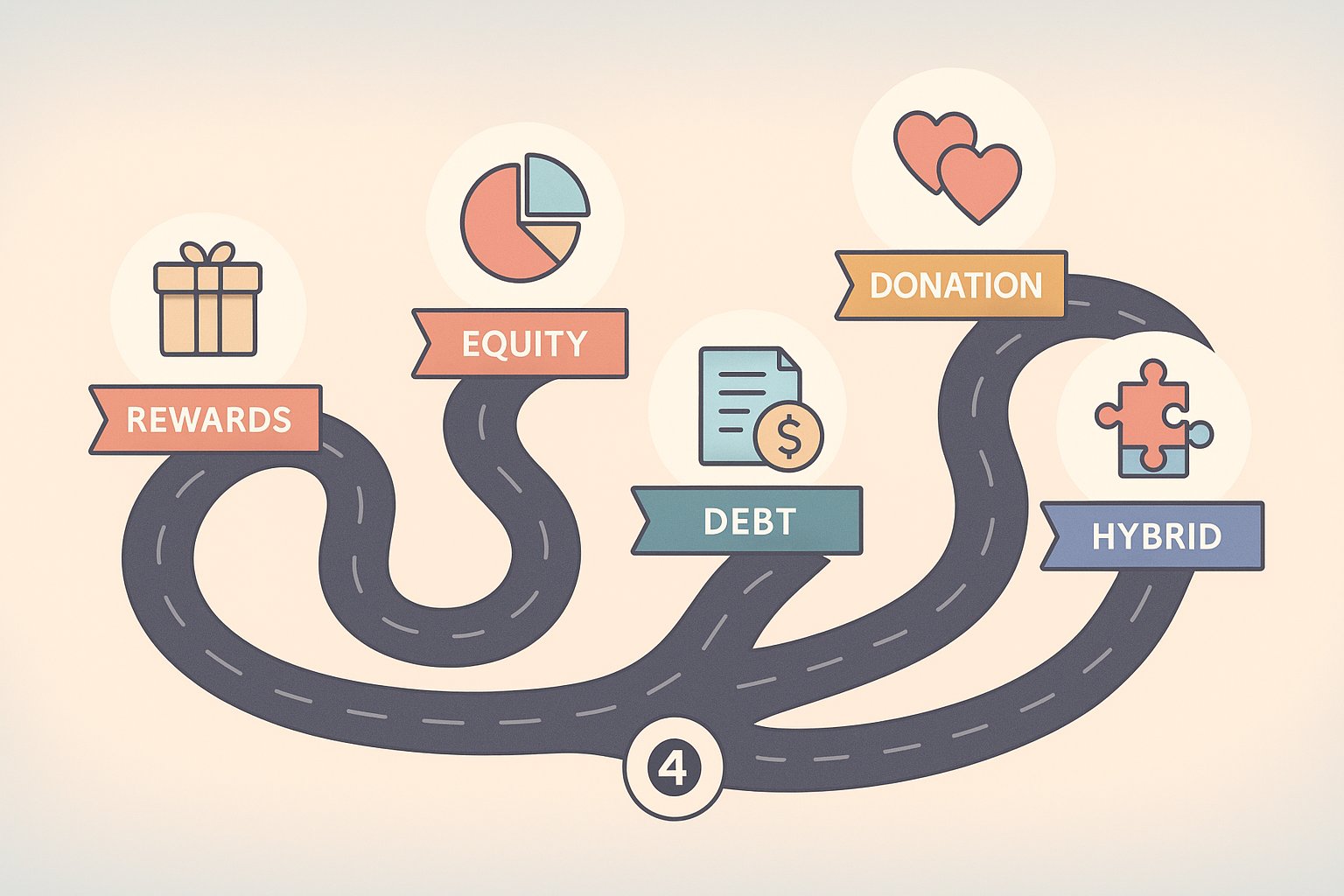
There are generally two main types of real estate crowdfunding models: equity and debt. In equity-based crowdfunding, investors purchase ownership shares in a property or development. Returns are generated through rental income, appreciation, or eventual sale profits. In debt-based crowdfunding, investors act as lenders, earning interest payments over a set term. Both structures offer unique benefits and risks, giving participants flexibility in choosing how they want to engage with real estate markets. The appeal lies in simplicity—investors can diversify their portfolios without directly managing properties or dealing with tenants.
Why It’s Changing the Investment Landscape
Real estate crowdfunding has disrupted the industry by democratizing access to one of the world’s most lucrative asset classes. Historically, direct investment in real estate required substantial capital, often locking out smaller investors. Crowdfunding changed that by lowering the entry threshold, with some platforms allowing participation for as little as $500. It also removed the complexity of property management, as professional developers and operators handle operations while investors reap potential returns.
The digital format of crowdfunding has made the process seamless. Online dashboards allow investors to track performance, view documents, and receive distributions without traditional paperwork. Transparency is another major advantage—platforms typically provide in-depth project data, financial projections, and risk assessments. This openness gives individual investors a level of insight once reserved for private equity firms. Real estate crowdfunding represents a fusion of finance, technology, and community, bridging the gap between Wall Street and Main Street. It has turned property investing into a collective, data-driven experience accessible from anywhere in the world.
The Benefits That Attract Modern Investors
For many, the biggest allure of real estate crowdfunding is accessibility. It allows investors to participate in markets previously out of reach, gaining exposure to both local and national projects. Diversification is another powerful advantage. Instead of tying up large sums in a single property, investors can spread smaller amounts across multiple projects, reducing overall risk. This diversification can include different asset types—commercial offices, residential developments, industrial warehouses, or hospitality properties—each with distinct return profiles.
Crowdfunding also provides a degree of passive income. Equity investors can earn regular dividends from rental income, while debt investors enjoy fixed interest payments. For those seeking an alternative to traditional stocks or bonds, this model offers tangible asset-backed security and potential for strong long-term returns. Another benefit is community impact. Many investors appreciate that their funds contribute to visible developments—housing, revitalized neighborhoods, or sustainable construction projects. The combination of accessibility, diversification, and social connection has made real estate crowdfunding one of the most compelling modern investment options.
The Risks and Realities Behind the Returns
Like any investment, real estate crowdfunding carries its share of risks. The promise of attractive returns can overshadow potential challenges that investors must understand before committing funds. The first major risk is liquidity. Unlike public stocks that can be sold instantly, crowdfunded real estate investments often lock funds for several years until the project matures or sells. Investors must be prepared for illiquidity and the possibility that returns may take time to materialize.
Market fluctuations are another consideration. Economic downturns, rising interest rates, or construction delays can all impact profitability. Because projects are often tied to specific markets, local conditions such as zoning changes or demographic shifts can influence outcomes. Platform risk also exists—if a crowdfunding platform faces financial trouble or mismanagement, investor funds may be affected. Finally, while platforms conduct due diligence, no investment is completely free of risk. Returns are not guaranteed, and there’s always the potential for loss of capital.
Despite these challenges, well-managed investments with reputable platforms can offer strong performance over time. The key lies in research, diversification, and understanding your own financial goals. Transparency and patience remain the cornerstones of successful participation in this evolving investment model.
Choosing the Right Platform for You
Selecting a real estate crowdfunding platform is one of the most critical decisions investors face. Each platform has its own focus, fee structure, and risk profile. Some specialize in institutional-grade commercial properties, while others target residential or mixed-use developments. Platforms like Fundrise cater to beginner investors with lower minimums and diversified portfolios, while CrowdStreet focuses on accredited investors seeking high-value commercial deals. When choosing, it’s essential to review a platform’s track record, transparency, and investor communication standards. Reputable platforms provide audited performance data, detailed risk disclosures, and consistent updates on project progress. Understanding fee structures is equally important, as management or servicing fees can vary and directly impact returns. Many successful investors take a hybrid approach—participating across multiple platforms to compare results and diversify holdings. Ultimately, the right choice depends on your investment experience, financial goals, and risk tolerance. Crowdfunding makes it possible to tailor your portfolio with precision, mixing different types of properties, geographies, and strategies under one digital roof.
Real Stories: Success and Lessons from the Field
The growth of real estate crowdfunding has produced numerous success stories—and valuable lessons. Early adopters who recognized the potential of this model have seen impressive returns and meaningful impact. For example, urban revitalization projects funded through crowdfunding have transformed underdeveloped neighborhoods into thriving communities. Investors not only earned financial returns but also contributed to social progress. Similarly, commercial developments backed by online investors have achieved remarkable outcomes, proving that collective funding can rival traditional financing in scale and effectiveness.
However, not every project ends perfectly. Some developments encounter unforeseen delays, market shifts, or cost overruns. These cases emphasize the importance of selecting projects with experienced developers and transparent reporting. The best platforms mitigate such risks by vetting projects thoroughly and maintaining open communication with investors. Successful participants learn that patience, due diligence, and diversification are not just best practices—they’re essential strategies. Real estate crowdfunding continues to evolve, and each campaign offers insights that shape the industry’s future.
The Future of Real Estate Crowdfunding
Real estate crowdfunding is poised for exponential growth in the coming decade. As technology advances, more investors and developers are embracing this model as a primary source of capital. Artificial intelligence and data analytics are streamlining risk assessment, helping platforms match investors with projects that fit their profiles. Blockchain integration could further revolutionize the space, enabling tokenized property shares that improve liquidity and simplify transactions. These innovations may soon allow investors to trade fractions of property ownership like stocks—transforming how people perceive and interact with real estate assets.
Regulatory evolution is also shaping the industry’s trajectory. Governments are refining guidelines to protect investors while encouraging innovation. As awareness grows, institutional investors and real estate firms are beginning to collaborate with crowdfunding platforms, blending traditional finance with modern accessibility. The result is a more transparent, inclusive, and dynamic real estate ecosystem. For investors, the future holds vast potential—a digital frontier where technology and tangible assets merge to create new pathways for wealth and community development.
Investing in the New Age of Real Estate
Real estate crowdfunding represents one of the most exciting financial innovations of the modern era. It bridges the gap between individuals and opportunities that once seemed unreachable, turning property investment into a collective experience. By empowering people to invest according to their goals, passions, and values, it’s redefining how wealth is built and shared. While risks remain, the combination of accessibility, transparency, and technological advancement ensures this model will continue to thrive. For those looking to diversify their portfolios, generate passive income, or support meaningful developments, real estate crowdfunding offers a gateway to tangible investment grounded in innovation. It’s more than just a financial tool—it’s a movement reshaping the future of real estate ownership. As platforms expand and investors grow more sophisticated, one truth stands out: property investing is no longer confined to the elite. The doors are open, the opportunities are endless, and the next great property story could very well be one that you helped fund.