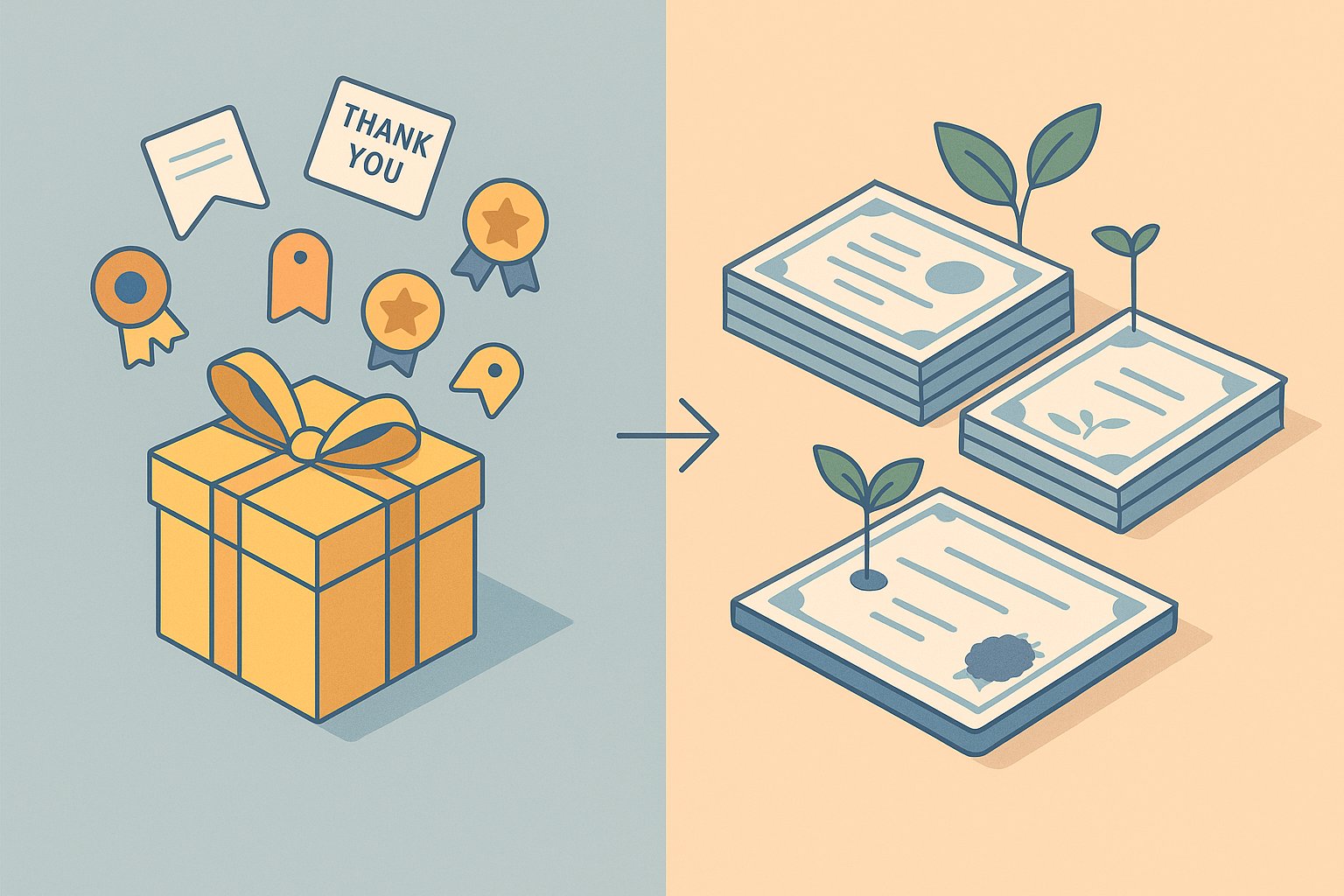

In the evolving world of crowdfunding, two models stand above the rest when it comes to serious investment potential—equity crowdfunding and debt crowdfunding. Both have transformed how entrepreneurs raise capital and how investors access new opportunities. But while they share the same spirit of innovation, they operate on fundamentally different principles. One turns investors into partial owners of a company; the other makes them lenders who expect regular interest payments. Understanding the distinction between the two can mean the difference between a profitable investment and a risky gamble. As more investors turn to online platforms to diversify their portfolios, learning how these two funding paths work—and which one suits your goals—is essential.
The Rise of the Investor Revolution
A decade ago, startup investing was an exclusive club for venture capitalists, angel investors, and institutions. Then came the crowdfunding revolution. The passage of the JOBS Act in 2012 opened the doors for ordinary investors to participate in private market opportunities through regulated online platforms. Suddenly, you didn’t need millions to invest in a startup or real estate venture—you needed curiosity, strategy, and a few hundred dollars. This democratization of finance gave birth to two dominant models: equity and debt crowdfunding. Both channels empower individuals to fund projects, companies, or developments directly. But while they share accessibility, they cater to different risk profiles, return expectations, and investor personalities.
Understanding Equity Crowdfunding: Owning a Piece of the Dream
Equity crowdfunding is about ownership. When you invest through this model, you’re buying a share of the company or project. It’s the digital evolution of venture capital, allowing investors to hold equity stakes in startups, small businesses, or real estate ventures. Platforms like SeedInvest, StartEngine, Republic, and Crowdcube have become gateways for everyday investors to back companies they believe in.
When a company succeeds—by growing, getting acquired, or going public—equity investors share in its success. Returns come through appreciation of shares or dividends if the company distributes profits. The potential upside can be enormous, especially if you invest early in a business that scales rapidly. However, the risks are equally high. Most startups fail before reaching profitability, and equity shares are typically illiquid, meaning they can’t be easily sold or traded.
Equity crowdfunding appeals to investors who believe in innovation, want to support emerging brands, and are comfortable with long-term risk. It’s as much about vision as it is about value. When you invest in equity, you’re not just buying potential profit—you’re buying into the story, the mission, and the people behind it.
Exploring Debt Crowdfunding: Lending for Steady Returns
Debt crowdfunding, often called peer-to-peer lending or crowdlending, works on a completely different premise. Instead of owning a piece of the company, you act as a lender. Your investment is structured as a loan, and the borrower agrees to repay it with interest over a fixed period. Platforms like Funding Circle, Prosper, and LendingClub have made this model accessible to individuals and institutions alike.
Debt crowdfunding tends to attract investors who prioritize predictability and income over long-term growth. Returns are typically generated through regular interest payments, much like bonds or traditional loans. The appeal is stability: investors can forecast their expected earnings and diversify across multiple borrowers to manage risk.
Of course, lending isn’t risk-free. Defaults can occur if a borrower fails to repay, and while some platforms offer partial protection through reserve funds or credit scoring, no investment is completely safe. However, for investors who seek steady, short-to-medium-term returns, debt crowdfunding provides a practical and relatively conservative entry into alternative finance.
Comparing the Two: Ownership vs. Obligation
At their core, equity and debt crowdfunding represent two different philosophies of investing. Equity is about partnership and long-term growth; debt is about lending and predictable income. The distinction lies not only in how investors earn returns but also in how they engage with risk and reward.
In equity crowdfunding, investors share the company’s fate. If the business thrives, so do they—but if it falters, they can lose their entire investment. There are no guaranteed returns, and liquidity is limited until a major event like an acquisition or IPO occurs. The upside, however, can be extraordinary. A small investment in a startup that becomes the next big brand could yield life-changing profits.
In debt crowdfunding, the relationship is more structured. Investors receive fixed interest payments and principal repayment at maturity. The risk comes from borrower default, but even then, losses can be mitigated through diversification and platform safeguards. The returns may be smaller than in equity crowdfunding, but they are more predictable and regular.
Essentially, equity crowdfunding is a bet on growth, while debt crowdfunding is a strategy for income. Both can play vital roles in a balanced portfolio depending on your financial goals, time horizon, and tolerance for uncertainty.
The Rewards and Risks Investors Should Weigh
Every investment carries trade-offs, and crowdfunding is no exception. The key is understanding where those risks lie and what kind of investor you are. For equity crowdfunding, the primary allure is exponential potential. Early investors in successful startups can earn massive returns, often far exceeding what traditional assets deliver. But the path is long and uncertain. Startups can pivot, fail, or face unforeseen challenges. Because shares aren’t easily sold, investors must be patient and comfortable with the possibility of total loss.
Debt crowdfunding offers a different experience. Returns are usually modest but steady, and the structure provides greater clarity about when and how you’ll be repaid. It’s ideal for those seeking passive income or portfolio diversification without the volatility of equities. Yet even debt investments aren’t immune to risk—economic downturns, borrower defaults, or platform failures can impact performance.
In both cases, due diligence is crucial. Investors should carefully review the company’s financials, management team, and market opportunity for equity campaigns—or credit ratings and repayment terms for debt offerings. Diversification across multiple campaigns remains one of the smartest ways to minimize exposure while maximizing potential returns.
How Platforms Shape the Experience
Crowdfunding platforms are the digital bridges that connect investors with opportunities, and their structure can dramatically influence outcomes. Equity platforms focus on startups and small businesses, providing detailed profiles, financial projections, and founder videos to help investors assess potential. Many platforms require businesses to pass rigorous screening before being listed, ensuring some degree of credibility.
Debt crowdfunding platforms, meanwhile, use technology to analyze borrower creditworthiness, assign risk grades, and automate loan servicing. Investors can often filter opportunities by risk level, loan duration, and interest rate. The best platforms combine transparency with simplicity, giving users real-time data and performance tracking tools.
Some platforms are even blending models, allowing investors to choose between equity and debt investments within the same ecosystem. These hybrid approaches reflect the growing sophistication of the crowdfunding landscape, where innovation continues to blur traditional boundaries. Regardless of platform type, investors should look for strong track records, transparent fee structures, and consistent communication.
The Changing Landscape and Future Potential
The crowdfunding industry is still in its early stages, but its impact on global finance is undeniable. As technology evolves, both equity and debt crowdfunding are becoming more efficient, transparent, and secure. Blockchain is already being explored to tokenize equity shares and debt instruments, improving liquidity and ownership tracking. Artificial intelligence is enhancing risk modeling, helping platforms identify credible borrowers and promising startups with unprecedented accuracy.
Regulations are also maturing. Governments worldwide are adapting laws to protect investors while supporting innovation. The expansion of cross-border crowdfunding platforms is enabling global participation, allowing investors in one country to fund businesses in another with a few clicks. For startups and small businesses, this evolution means access to larger pools of capital; for investors, it means a broader range of opportunities.
The future of crowdfunding lies in integration—with traditional finance embracing digital investment channels and retail investors gaining tools once reserved for institutions. The line between professional and personal investing is disappearing, and equity and debt crowdfunding are leading that transformation.
Finding Your Fit in the Crowdfunding Universe
Choosing between equity and debt crowdfunding ultimately depends on your goals, personality, and financial strategy. If you’re an optimist who believes in disruptive ideas and can tolerate high risk for potentially high reward, equity crowdfunding offers an exhilarating path. It’s about long-term commitment and visionary thinking. If you prefer stability, predictable returns, and shorter investment horizons, debt crowdfunding aligns with a more measured approach to wealth building. Many savvy investors combine both. They use debt crowdfunding for steady income and equity crowdfunding for growth potential, creating a balanced portfolio that captures the best of both worlds. As with any investment, success comes from education, research, and discipline. Crowdfunding is not a get-rich-quick scheme—it’s a new way to participate in the global economy, where investors don’t just fund ideas but help shape them. Equity and debt crowdfunding represent two sides of the same revolution: a shift toward transparency, inclusivity, and community-driven finance. The real question isn’t which model is better—it’s which one better fits your vision for the future.