
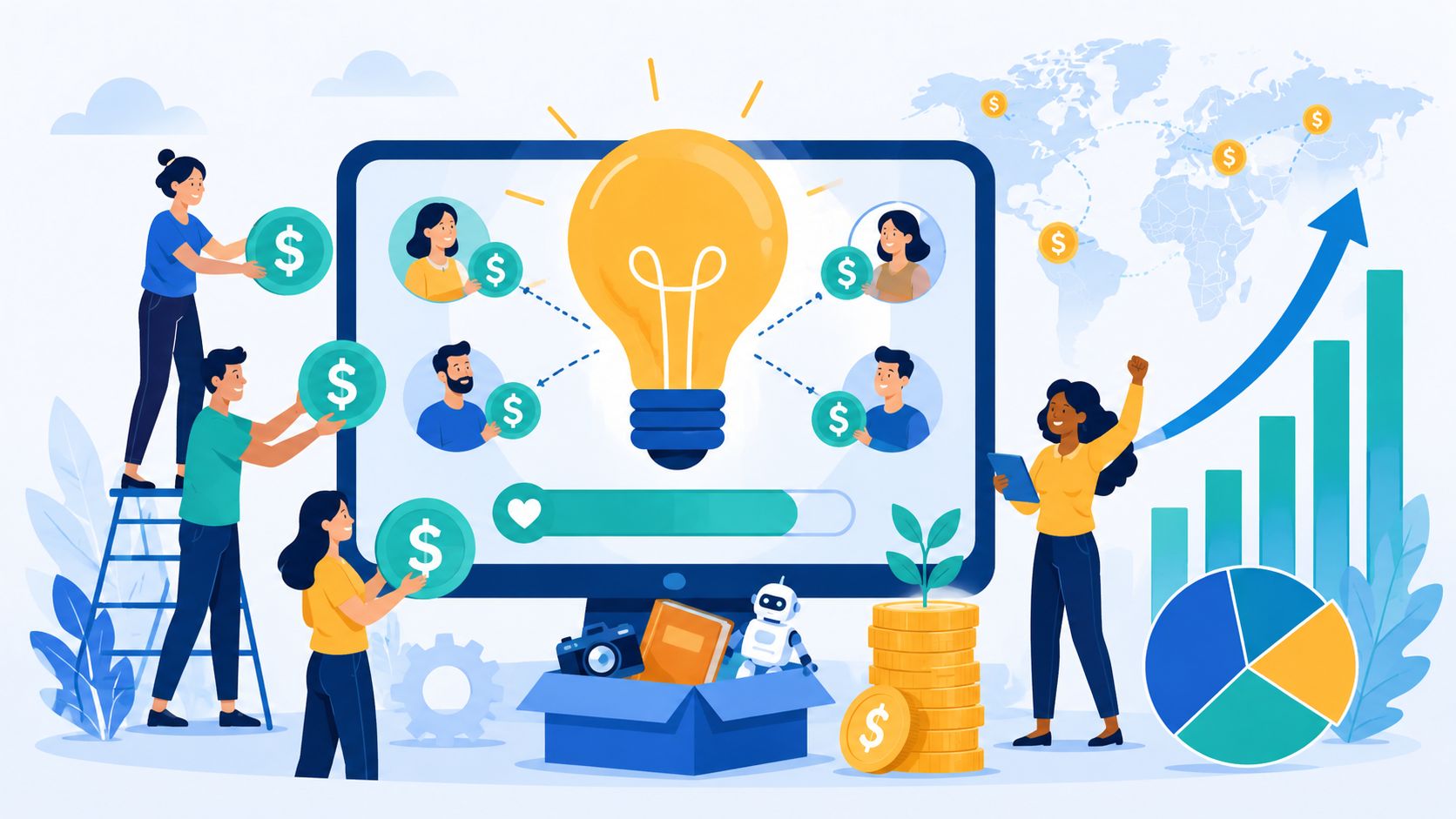
The rise of crowdfunding is one of the most fascinating business stories of the digital age. What began as a simple way for artists, inventors, and entrepreneurs to raise small amounts of money online has transformed into a multi-billion dollar global industry that now influences startups, entertainment, technology, real estate, healthcare, social causes, and even politics. Crowdfunding changed the relationship between creators and consumers forever by giving ordinary people the ability to financially support ideas they believe in before those ideas ever reach the market.
The Early Internet Spark That Changed Fundraising Forever
Before crowdfunding became mainstream, the internet was already quietly changing how people connected around shared interests. In the late 1990s and early 2000s, musicians, bloggers, and independent creators began experimenting with online donations and fan-supported projects. These early efforts planted the seeds for what would become a financial revolution.
One of the earliest forms of crowdfunding appeared in the music industry. Independent bands realized they could use websites and online forums to ask fans for support in producing albums or funding tours. Instead of relying entirely on record labels, artists began building direct relationships with their audiences. This created an entirely new funding model where supporters became emotionally invested in the success of a project.
At the same time, nonprofit organizations were discovering the internet’s ability to spread stories quickly and inspire donations from large groups of people. Online giving campaigns demonstrated that emotional storytelling combined with digital accessibility could generate significant financial support from ordinary individuals contributing small amounts.
These experiments revealed a critical insight: people were willing to contribute money to ideas they believed in, even without receiving ownership or traditional financial returns. Supporters wanted to feel connected to something meaningful, creative, innovative, or socially impactful. That emotional connection became the foundation of the modern crowdfunding industry.
As internet usage exploded globally, the conditions were perfect for crowdfunding platforms to emerge. Faster payment systems, social media sharing, and growing trust in online transactions helped create an ecosystem where digital fundraising could scale rapidly.
Kickstarter, Indiegogo, and the Explosion of Online Funding
The launch of major crowdfunding platforms dramatically accelerated the industry’s growth. Platforms like Kickstarter and Indiegogo introduced structured systems that made crowdfunding accessible to millions of users around the world.
Kickstarter, launched in 2009, became one of the defining companies of the crowdfunding era. The platform focused on creative projects such as films, music, games, technology products, and design concepts. Its all-or-nothing funding model created urgency and excitement. Campaign creators only received the pledged money if they reached their funding goal, which encouraged supporters to actively promote projects they believed in.
Indiegogo expanded the concept further by offering more flexible fundraising options. Unlike Kickstarter’s strict funding rules, Indiegogo allowed creators to keep funds even if campaigns did not reach their target. This flexibility attracted a wider variety of entrepreneurs, startups, nonprofits, and inventors.
The timing of these platforms could not have been better. Social media was rapidly growing, allowing campaigns to spread virally across the internet. A compelling video, a creative product demonstration, or an inspiring story could reach millions of potential backers within days. Crowdfunding campaigns became not only funding tools but also marketing engines capable of generating massive public attention.
Some campaigns raised astonishing amounts of money. Innovative tech gadgets, smartwatches, gaming consoles, and consumer electronics shattered expectations by raising millions from enthusiastic supporters eager to be early adopters. These successes captured global media attention and proved that crowdfunding was far more than a niche internet trend.
The industry quickly expanded beyond passion projects. Entrepreneurs began using crowdfunding to validate market demand before manufacturing products. Investors and businesses realized crowdfunding data could reveal consumer interest in real time. This transformed crowdfunding into both a financing mechanism and a business intelligence tool.
The Psychology Behind Why People Love Crowdfunding
One of the biggest reasons crowdfunding became a multi-billion dollar industry is that it taps directly into human psychology. Crowdfunding is not just about money. It is about participation, belonging, identity, and emotional investment.
People enjoy feeling like they are part of something exciting before the rest of the world discovers it. Supporting a crowdfunding campaign gives individuals a sense of ownership and involvement in the creative process. Backers often feel personally connected to a project’s success because they helped make it possible.
This emotional connection is especially powerful in technology and creative industries. Consumers no longer simply purchase finished products from corporations. Instead, they become early supporters who influence development, provide feedback, and help shape the final outcome. Crowdfunding transformed audiences into active communities.
Scarcity and exclusivity also play major roles. Many campaigns offer limited-edition rewards, early-access pricing, or special experiences for supporters. These incentives create urgency and excitement while encouraging rapid sharing across social media platforms.
Storytelling became another essential ingredient in crowdfunding success. The most effective campaigns rarely focus only on technical details or financial goals. Instead, they tell compelling human stories about ambition, creativity, challenges, and dreams. Audiences connect emotionally with founders who appear authentic, passionate, and determined.
Crowdfunding also benefits from social proof. When people see thousands of others supporting a campaign, they are more likely to trust it themselves. Funding milestones create momentum that attracts even more attention and contributions. Successful campaigns often snowball rapidly once they gain traction online.
The industry mastered the art of combining psychology, digital marketing, community engagement, and storytelling into one powerful fundraising machine.
How Crowdfunding Reshaped Entrepreneurship and Startups
Crowdfunding fundamentally changed the startup landscape by lowering barriers to entry for entrepreneurs. Before crowdfunding, launching a company often required convincing banks or investors to provide capital. That process favored individuals with existing connections, strong financial backgrounds, or access to elite business networks.
Crowdfunding opened the door for independent inventors, small startups, and first-time founders to compete on a larger stage. A compelling idea and a strong online presentation could now generate millions of dollars without traditional investors.
This shift dramatically expanded innovation. Entrepreneurs no longer needed to spend years pitching venture capital firms before testing an idea. Instead, they could launch campaigns directly to consumers and instantly measure public demand.
Product validation became one of crowdfunding’s greatest advantages. If a campaign failed to attract supporters, founders learned valuable lessons before investing heavily in manufacturing or infrastructure. If a campaign succeeded, entrepreneurs gained both funding and proof that a real market existed.
Many successful startups used crowdfunding as their launchpad. Consumer electronics, gaming products, smart home devices, and fitness technologies frequently gained early traction through crowdfunding campaigns before growing into established companies.
Crowdfunding also changed customer relationships. Traditional businesses typically develop products behind closed doors before unveiling them to consumers. Crowdfunded startups, however, often involve supporters throughout the development process through updates, prototypes, and community discussions. This transparency creates loyal audiences that feel emotionally invested in the brand’s journey.
The startup world embraced crowdfunding because it reduced risk, accelerated feedback, and generated publicity simultaneously. It became one of the most effective ways for entrepreneurs to turn ideas into real businesses.
The Rise of Equity Crowdfunding and Alternative Investing
As crowdfunding matured, the industry expanded far beyond rewards-based campaigns. One of the most important developments was the rise of equity crowdfunding, which allowed supporters to invest in companies in exchange for ownership shares.
This evolution transformed crowdfunding from a donation or preorder model into a legitimate investment ecosystem. Governments and regulators in several countries introduced new laws that made equity crowdfunding more accessible while attempting to protect investors.
In the United States, legislation such as the JOBS Act helped open investment opportunities to everyday individuals rather than limiting startup investing primarily to wealthy accredited investors. Platforms specializing in equity crowdfunding began connecting startups with large groups of smaller investors seeking exposure to early-stage businesses.
This dramatically changed how people viewed crowdfunding. It was no longer only about supporting creative projects or purchasing early products. Crowdfunding became part of the broader financial industry.
Real estate crowdfunding also emerged as a major sector. Investors gained the ability to pool money into commercial properties, apartment developments, and large real estate projects through online platforms. This made certain types of real estate investing more accessible to smaller investors who previously lacked sufficient capital.
The industry’s rapid expansion into investing helped push crowdfunding into the multi-billion dollar range. Capital markets, entrepreneurship, technology, and online finance began overlapping in powerful new ways.
Crowdfunding also aligned perfectly with broader digital finance trends. Younger generations increasingly preferred online investing platforms, mobile financial tools, and alternative asset opportunities. Crowdfunding fit naturally into this evolving financial culture.
Social Media, Viral Marketing, and the Power of Online Communities
Social media played a massive role in crowdfunding’s explosive growth. Platforms such as Facebook, Instagram, YouTube, and TikTok became essential tools for campaign promotion and community building.
Crowdfunding campaigns thrive on visibility, engagement, and emotional sharing. Social media allowed creators to bypass traditional advertising channels and reach global audiences instantly. A single viral video or influencer mention could drive enormous traffic to a campaign page.
This transformed crowdfunding into a highly marketing-driven industry. Successful campaigns often rely heavily on professional branding, cinematic videos, strategic storytelling, email marketing, and audience engagement tactics.
Online communities became powerful drivers of campaign momentum. Fans, gamers, tech enthusiasts, hobby groups, and niche interest communities frequently rally around projects aligned with their passions. These digital communities create organic promotion that traditional advertising struggles to replicate.
The rise of influencer culture amplified crowdfunding even further. Content creators with large audiences began partnering with crowdfunding campaigns, helping products and startups gain credibility and exposure quickly.
At the same time, crowdfunding campaigns became increasingly sophisticated. Many modern campaigns resemble full-scale product launches complete with polished branding, advertising strategies, and media outreach efforts. This professionalization helped the industry attract larger investments and mainstream attention.
The internet’s ability to connect millions of like-minded individuals remains one of crowdfunding’s greatest strengths. Crowdfunding succeeds because it transforms isolated interest into collective financial action.
Challenges, Failures, and the Risks Behind the Industry
Despite its remarkable growth, crowdfunding also faces significant challenges and criticism. Not every campaign succeeds, and not every funded project delivers on its promises.
Some creators underestimate manufacturing costs, production timelines, or logistical complexity. Delays are common, especially in hardware and technology projects. In some cases, products never reach supporters at all, leading to frustration and financial losses.
Fraud and scams have also damaged trust within parts of the industry. Because crowdfunding platforms historically allowed relatively open access to creators, some bad actors exploited the system by promoting unrealistic or deceptive campaigns.
As crowdfunding became more competitive, marketing costs increased dramatically. Running a successful campaign today often requires professional videos, digital advertising budgets, influencer partnerships, and public relations efforts. This has made crowdfunding more difficult for completely unknown creators with limited resources.
There is also growing concern about oversaturation. Thousands of campaigns launch every month across multiple platforms, creating intense competition for attention. Standing out in a crowded marketplace has become increasingly difficult.
Regulators continue working to balance innovation with investor protection, particularly in equity crowdfunding markets. Questions surrounding transparency, financial disclosures, and platform accountability remain important issues as the industry evolves.
Even with these challenges, crowdfunding continues to thrive because the underlying concept remains incredibly powerful. People still want to support ideas, participate in innovation, and feel connected to projects they believe in.
The Future of Crowdfunding in a Digital-First Economy
Crowdfunding’s journey from niche internet experiment to multi-billion dollar industry reflects broader changes in technology, finance, and consumer behavior. The industry succeeded because it aligned perfectly with the digital age’s emphasis on accessibility, community, and direct engagement. As technology advances, crowdfunding will likely continue evolving into new forms. Artificial intelligence, blockchain technology, decentralized finance, and creator economies may reshape how campaigns operate and how supporters participate. Global internet expansion also creates enormous opportunities for future growth. Millions of entrepreneurs and creators in emerging markets are gaining access to digital fundraising tools for the first time. Crowdfunding could become an even more important force for global entrepreneurship and economic development. The creator economy is another major growth driver. Independent creators, educators, influencers, musicians, writers, and developers increasingly seek direct financial support from their audiences rather than relying solely on traditional corporations or advertising revenue. Crowdfunding naturally fits this shift toward audience-supported business models. Businesses are also learning that crowdfunding offers more than capital. It provides market research, customer engagement, brand awareness, and community building all at once. This combination gives crowdfunding unique long-term value even as other financing options evolve. What makes crowdfunding truly remarkable is that it changed who gets the opportunity to build something meaningful. It empowered ordinary individuals to turn ideas into reality with support from communities rather than gatekeepers. That shift permanently altered entrepreneurship and modern fundraising. The industry’s growth into a multi-billion dollar powerhouse proves that collective belief can be an incredibly powerful economic force. Crowdfunding succeeded because it transformed finance into something more human, emotional, and participatory. In a world increasingly shaped by digital connection, that model may only become more influential in the years ahead.