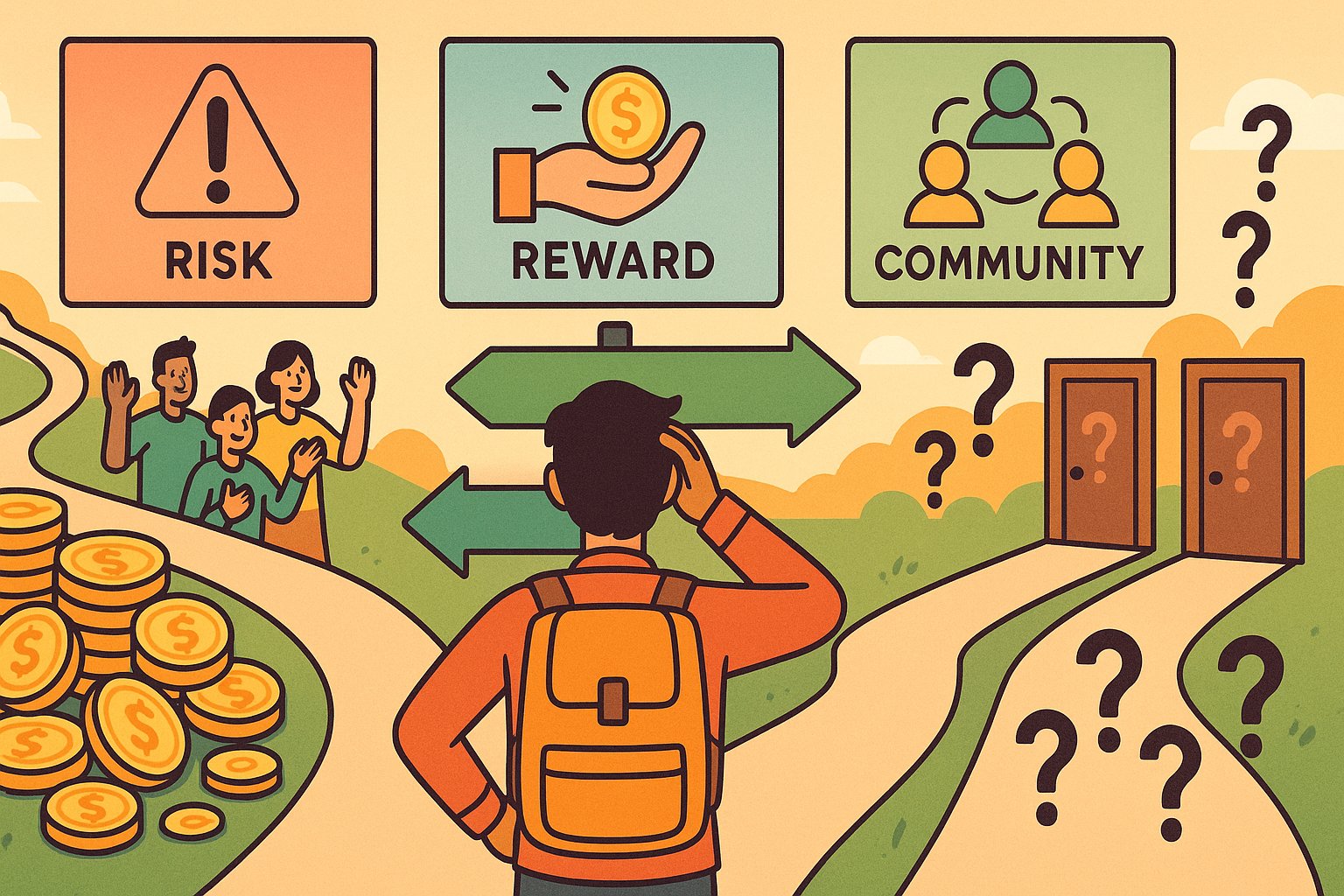

Every crowdfunding campaign begins with a moment of decision. A potential backer lands on a page, scans a few lines, maybe watches a video, and then chooses whether to move on or commit their money and trust. That decision is rarely impulsive in the way it appears. Even when it happens quickly, it is guided by psychology, emotion, and subconscious pattern recognition. Backers are constantly asking themselves quiet questions: Does this feel real? Do I trust the people behind it? Does this campaign resonate with something I care about? The strongest campaigns understand that backers are not just buying a product or donating to an idea. They are participating in a story and aligning themselves with a vision. Emotion plays a central role early in the decision-making process. Backers are drawn to campaigns that spark excitement, curiosity, hope, or even urgency. A compelling opening that clearly communicates why a project exists can create an emotional hook that logic later justifies. When a campaign makes someone feel like they are part of something meaningful or innovative, the probability of support increases dramatically. Logic may validate the decision, but emotion is often what initiates it.
Trust as the Cornerstone of Backer Confidence
Once initial interest is captured, trust becomes the deciding factor. Crowdfunding exists in a space where uncertainty is expected, so backers look for signals that reduce perceived risk. Transparency is one of the most powerful of those signals. Campaigns that clearly explain who is behind the project, why they are qualified, and how funds will be used immediately stand out. Backers want to know that real people are accountable for the outcome, not anonymous ideas floating in the digital void.
Credibility is also reinforced through consistency. A campaign page that feels cohesive, professional, and thoughtfully structured sends a message that the creators are serious. Detailed timelines, realistic goals, and honest acknowledgments of potential challenges help backers feel respected rather than sold to. Trust grows when creators speak openly about what they know and what they are still figuring out. Overconfidence without substance often raises red flags, while grounded confidence builds reassurance.
The Power of Storytelling Over Pure Pitching
Backers rarely connect with features alone. They connect with stories. A campaign that explains how an idea came to life, what problem it solves, and why it matters creates emotional depth that specifications cannot. Storytelling humanizes the project and transforms it from a transaction into a shared journey. When backers see the struggle, inspiration, or passion behind a campaign, they are more likely to feel invested in its success.
A strong narrative also provides context. Instead of asking people to care about an object or initiative in isolation, storytelling shows where it fits in the world. It answers the question of why this project exists now and why it deserves attention among countless others. Campaigns that successfully weave personal motivation with broader impact often achieve stronger engagement because they give backers something to believe in, not just something to purchase.
Visual Signals and First Impressions That Matter
Before a single word is read, visuals begin shaping perception. Backers are highly sensitive to first impressions, and visual quality plays a major role in establishing credibility and excitement. Clean layouts, professional imagery, and clear structure suggest competence and care. Poor visuals, cluttered design, or inconsistent presentation can undermine even the strongest ideas by signaling a lack of preparation.
Video content is especially influential because it compresses storytelling, personality, and proof into a short window. Backers often decide within seconds whether to keep watching. Campaigns that use video to clearly explain the value of the project, introduce the team, and convey enthusiasm tend to perform better. Visuals do not need to be extravagant, but they must feel intentional. Every image and frame should reinforce the message that the creators understand their audience and respect their time.
Social Proof and the Safety of Shared Belief
People are deeply influenced by the actions of others, especially in uncertain environments. Crowdfunding platforms naturally highlight this behavior through funding meters, backer counts, and comments. When potential supporters see that others have already committed, it reduces perceived risk and creates a sense of momentum. A campaign that appears active and supported feels safer than one that looks stagnant, even if the underlying idea is strong.
Testimonials, early backer comments, and external recognition all contribute to social proof. Backers are reassured when they see evidence that the project has been validated by people or organizations they trust. Even small signals, such as thoughtful responses from creators in the comment section, can strengthen confidence. Engagement communicates that the campaign is alive, responsive, and accountable, which encourages others to join in.
Rewards, Value, and the Perception of Fair Exchange
While emotion and trust initiate interest, perceived value often seals the decision. Backers want to feel that their contribution is meaningful and appropriately rewarded. This does not always mean tangible products. Many backers are motivated by access, exclusivity, or the satisfaction of supporting something they believe in. What matters is that the reward structure feels intentional and aligned with the campaign’s mission.
Clarity is crucial here. Confusing reward tiers or vague descriptions can create hesitation. Backers want to quickly understand what they receive and why it is worth their support. Campaigns that frame rewards as part of a shared journey rather than a simple exchange often resonate more deeply. When backers feel that their contribution directly helps move the project forward, the sense of value extends beyond the reward itself.
Timing, Momentum, and the Fear of Missing Out
Timing influences backer behavior more than many creators realize. Campaigns often see strong activity at the beginning and end, driven by novelty and urgency. Early momentum signals viability, while closing deadlines trigger fear of missing out. Backers are more likely to act when they believe their decision matters in the moment rather than at some undefined point in the future.
Effective campaigns leverage this psychology without resorting to pressure. Regular updates, milestone celebrations, and reminders of remaining time help maintain engagement throughout the campaign lifecycle. When backers feel that a project is progressing and that their support contributes to a larger collective effort, they are more inclined to commit. Momentum creates confidence, and confidence accelerates participation.
Turning Curiosity Into Commitment
Ultimately, backers decide which campaigns to support through a layered process that blends emotion, logic, trust, and social influence. Successful campaigns guide potential supporters through that process intentionally. They capture attention with compelling narratives, build confidence through transparency, and reinforce belief through visual quality and community engagement. Each element works together to reduce uncertainty and amplify excitement. For creators, understanding how backers think is not about manipulation but alignment. The most effective campaigns respect the intelligence and values of their audience. They invite participation rather than demand it. When curiosity turns into trust and trust turns into commitment, backing a campaign feels less like a risk and more like a meaningful choice. That transformation is at the heart of every campaign that reaches its goal and beyond.