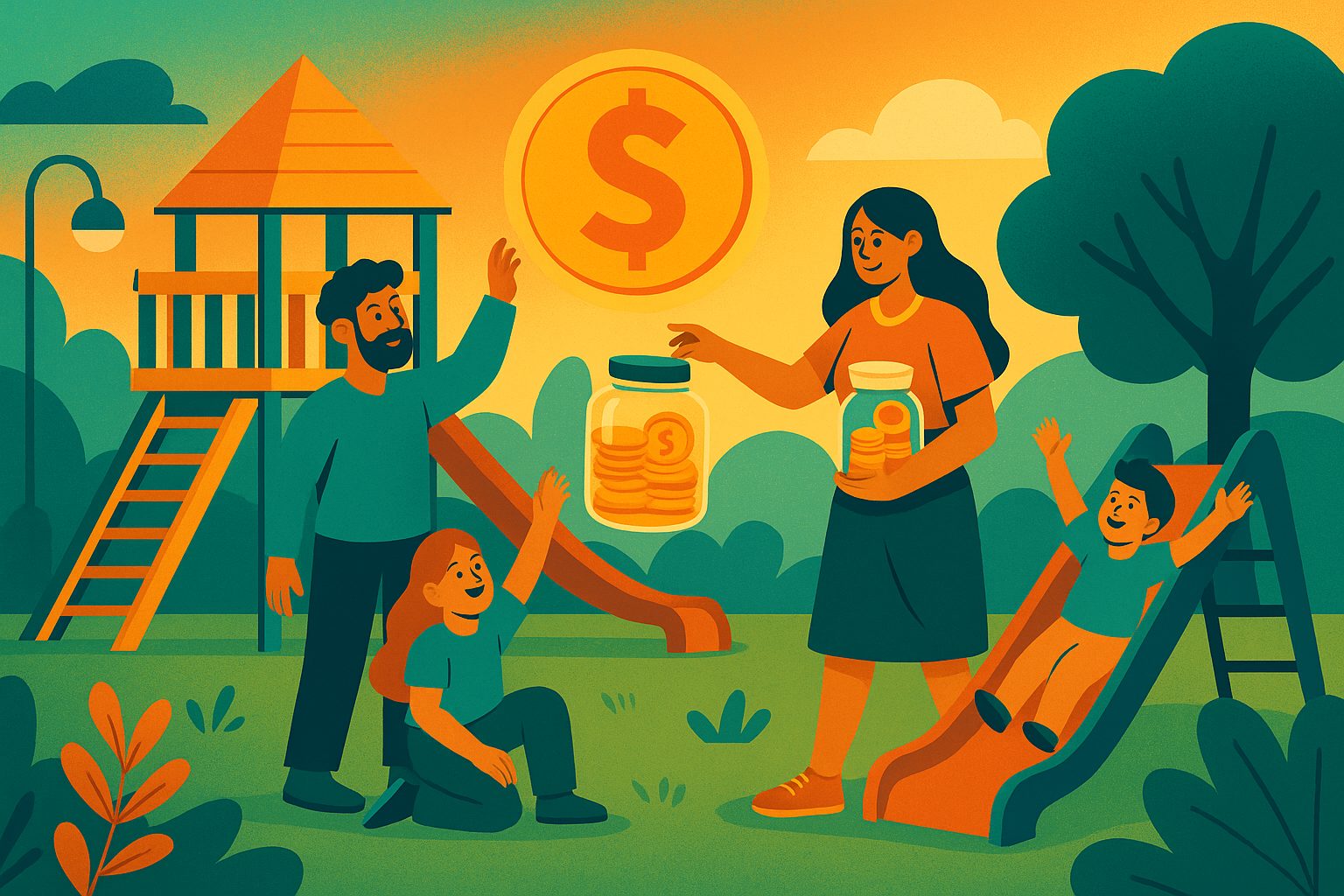

Public benches and seating areas are among the most understated yet powerful elements of a well-functioning community. They invite people to pause, rest, observe, and connect with their surroundings. In parks, downtown corridors, transit stops, school campuses, and neighborhood streets, seating transforms space into place. A bench turns a sidewalk into a social zone, a plaza into a gathering spot, and a greenway into an accessible destination for people of all ages and abilities. Despite their importance, public benches are often overlooked in funding conversations, falling into a gray area between major infrastructure and small amenities. Funding public seating is not just about purchasing furniture; it is about investing in livability, accessibility, and community health. As cities and organizations face tighter budgets and growing demands, understanding how to fund benches strategically has become essential. The process blends creativity, collaboration, and long-term thinking, bringing together public agencies, private partners, and local communities to create spaces that serve everyone.
Understanding the True Cost of Public Seating Projects
Before funding strategies can take shape, it is essential to understand what public benches actually cost. The price extends well beyond the initial purchase of the bench itself. Materials, durability, installation, site preparation, accessibility compliance, maintenance, and replacement cycles all influence the total investment. A bench designed for a quiet park trail has different requirements than seating placed along a busy urban street or transit corridor.
Weather resistance, vandalism deterrence, anchoring methods, and compliance with accessibility standards can significantly affect costs. Long-term maintenance is another key consideration, as poorly planned seating can become a liability rather than an asset. When communities take a holistic view of cost, they are better equipped to justify funding and demonstrate the long-term value of investing in high-quality public seating rather than opting for short-term, low-cost solutions.
Municipal Funding and Public Budget Pathways
Local governments remain one of the most common sources of funding for public benches and seating areas. City councils, parks departments, transportation agencies, and redevelopment authorities often allocate funds for street furniture as part of broader capital improvement projects. Benches are frequently bundled into streetscape upgrades, park renovations, transit improvements, and downtown revitalization plans, allowing them to be funded through existing infrastructure budgets.
Securing municipal funding requires aligning seating projects with public goals such as accessibility, walkability, public health, and economic development. When benches are framed as tools that support aging populations, encourage active transportation, or boost foot traffic for local businesses, they become easier to justify within competitive budget processes. Clear planning, strong visual concepts, and measurable benefits help decision-makers see seating not as an optional amenity, but as essential civic infrastructure.
Grants, Foundations, and Public Space Initiatives
Grants play a significant role in funding public benches, particularly for communities with limited municipal resources. Regional, state, and national grant programs focused on public health, urban greening, transportation alternatives, and placemaking often include eligible funding for seating. Foundations that support community development, environmental sustainability, or social equity may also view benches as tangible, high-impact investments.
Successful grant-funded seating projects clearly articulate their purpose and impact. Whether the goal is to improve access for seniors, support outdoor learning environments, or enhance underused public spaces, benches serve as visible outcomes that funders can easily understand. Grant applications that connect seating to broader initiatives such as safe routes, climate resilience, or community engagement tend to resonate more strongly, increasing the likelihood of funding approval.
Corporate Sponsorships and Private Partnerships
Private-sector partnerships offer another powerful avenue for funding public benches and seating areas. Local businesses, developers, hospitals, universities, and corporations often have a vested interest in vibrant, accessible public spaces. Sponsorship programs allow these organizations to contribute funding in exchange for recognition, alignment with community values, or enhanced public perception.
Bench sponsorships are particularly effective in commercial districts, campuses, and high-traffic areas. When thoughtfully designed, recognition elements remain subtle and respectful of the public environment, ensuring that seating remains welcoming rather than commercialized. Private partnerships can also extend beyond funding, incorporating design collaboration, maintenance commitments, or integration with larger development projects. These relationships help distribute costs while fostering a sense of shared ownership over public space improvements.
Community Fundraising and Grassroots Support
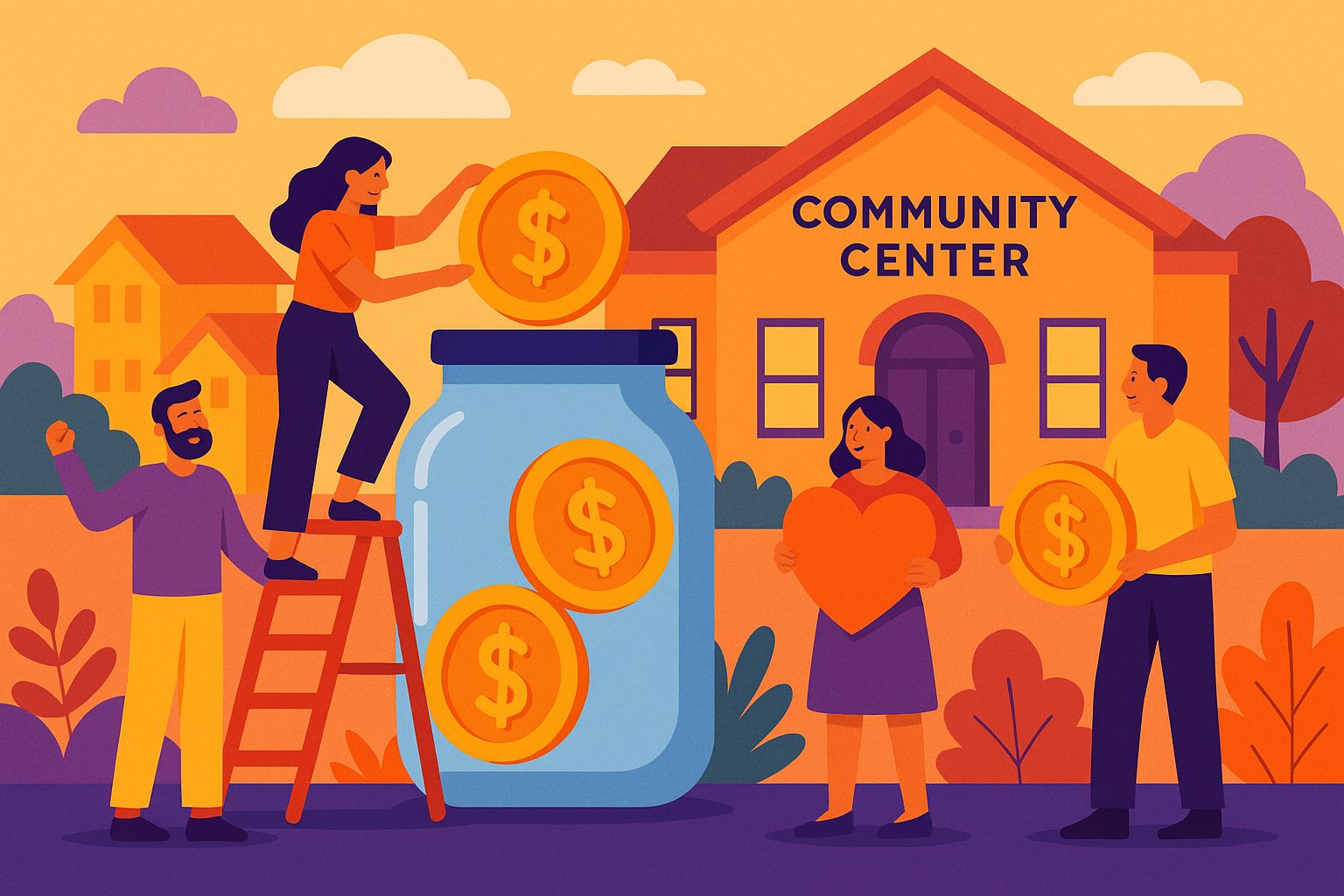
Community-driven funding brings a unique level of authenticity and engagement to public seating projects. Neighborhood associations, nonprofits, and advocacy groups often raise funds through donations, events, and local campaigns to install benches where they are most needed. This approach is especially effective for memorial benches, neighborhood parks, school grounds, and trail systems where personal connection motivates giving.
Grassroots fundraising works best when the community understands the direct impact of their contributions. Clear storytelling, transparency about costs, and visible progress help build momentum and trust. When residents feel invested in the benches they helped fund, they are more likely to care for them, advocate for additional improvements, and support future public space initiatives. In this way, community funding strengthens both the physical environment and the social fabric around it.
Designing Funding Strategies That Last
One of the most common challenges in funding public benches is ensuring long-term sustainability. Initial funding may cover purchase and installation, but without a plan for maintenance and replacement, seating can deteriorate quickly. Successful funding strategies account for the full lifecycle of the bench, incorporating maintenance budgets, durable materials, and clear ownership responsibilities from the start.
Blended funding models often provide the most resilience. Combining municipal funds with grants, sponsorships, and community contributions reduces reliance on any single source while increasing flexibility. Long-term planning also allows benches to be phased in over time, matching funding availability with priority locations. When funding strategies are designed with longevity in mind, public seating becomes a lasting asset rather than a recurring expense.
Turning Benches Into Community Assets
Funding public benches and seating areas is ultimately about more than money. It is about recognizing the role that simple, well-placed seating plays in creating inclusive, human-centered spaces. Benches invite rest, conversation, observation, and belonging. They support older adults, parents, commuters, students, and visitors alike, making communities more accessible and welcoming. By understanding costs, leveraging diverse funding sources, and aligning seating projects with broader civic goals, communities can transform modest investments into meaningful improvements. Public benches may be small in scale, but their impact is enduring. With thoughtful funding and collaborative planning, seating areas become symbols of care, connection, and commitment to shared public life.