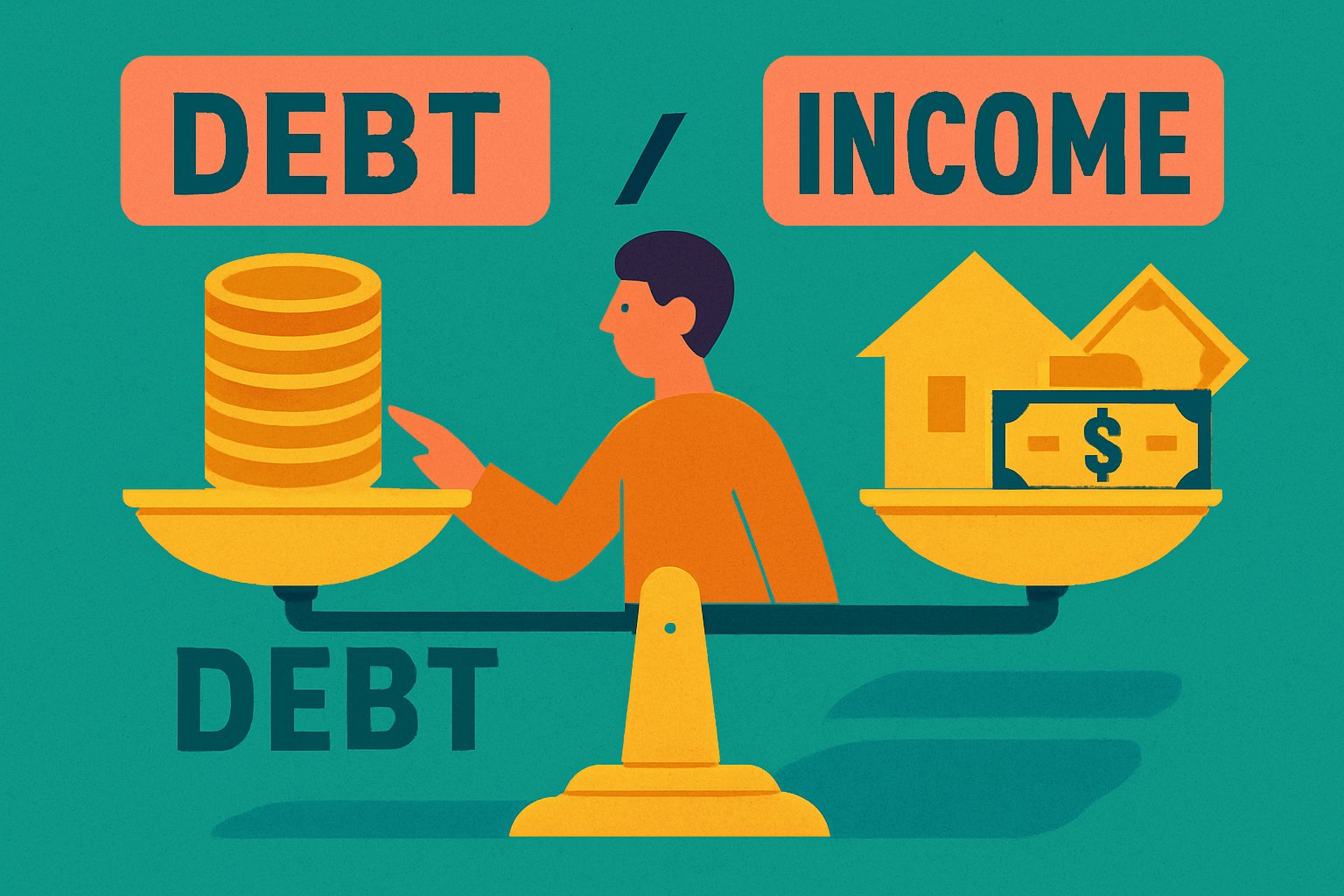

In the world of borrowing, whether through banks, credit unions, or peer-to-peer platforms, lenders and investors look for one key element above all else: confidence in repayment. While credit scores, collateral, and personal guarantees play vital roles, they all funnel into a single question—how will the borrower pay back the money? A repayment plan is not simply a formality; it is the blueprint that assures lenders of your reliability, discipline, and foresight. Showcasing a repayment plan effectively means more than presenting numbers. It requires demonstrating that you understand your obligations, have prepared for contingencies, and possess the capacity to meet commitments without strain. Borrowers who master this skill often secure more favorable terms, attract greater investor interest, and set themselves on a path toward stronger financial credibility. A well-structured plan is not just a roadmap for repayment—it is a tool for persuasion, trust-building, and long-term financial success.
Building a Strong Foundation for Your Repayment Plan
Every effective repayment plan begins with clarity. Borrowers must first understand their own financial situation in detail. This includes income sources, expenses, existing debts, and projected changes in cash flow. Without this foundation, it is impossible to create a plan that is both realistic and convincing. Investors and lenders can easily identify when a plan lacks grounding, and vague projections quickly undermine credibility.
The foundation also involves aligning repayment terms with cash flow realities. For example, a small business borrower should account for seasonal fluctuations in revenue, while an individual borrower should anticipate fixed expenses such as rent, utilities, and insurance. By demonstrating awareness of these patterns, borrowers showcase both financial literacy and foresight.
Borrowers should also clearly define repayment structures. Will payments be made monthly, biweekly, or tied to revenue milestones? How much of the payment will go toward principal versus interest? The more transparent and precise the plan, the greater the confidence it inspires. A repayment plan should never appear as an afterthought; it should function as the centerpiece of the borrowing strategy.
The Role of Transparency in Building Trust
Transparency is one of the most powerful ways to make a repayment plan stand out. Lenders and investors value honesty, particularly when it comes to potential challenges. Borrowers who acknowledge risks—such as market volatility, unexpected expenses, or potential delays in income—show that they have thought carefully about repayment rather than relying on overly optimistic assumptions.
Effective transparency involves more than admitting risks. It requires presenting concrete strategies for addressing them. For instance, a borrower might highlight savings reserves, insurance policies, or alternative income streams that would cover payments in difficult times. This level of preparedness transforms potential weaknesses into strengths, demonstrating responsibility and resilience. Transparency also extends to communication. Borrowers should explain not just the mechanics of repayment but also their philosophy toward debt. Do they view repayment as a priority above discretionary spending? Do they maintain regular financial reviews to track progress? These insights humanize the borrower and provide lenders with assurance that repayment is deeply ingrained in their values.
Using Data and Projections to Strengthen Your Case
Numbers tell stories, and in the world of repayment plans, data is king. Borrowers who incorporate detailed projections into their plans create compelling narratives backed by evidence. For businesses, this may involve profit-and-loss forecasts, cash flow statements, and revenue growth projections. For individuals, it may include pay stubs, budgets, and documentation of recurring income. The key is to balance detail with accessibility. Overwhelming lenders with excessive spreadsheets can be counterproductive, but providing clear summaries supported by reliable data makes a repayment plan more persuasive. Charts, simple tables, and straightforward calculations demonstrate professionalism and make it easy for lenders to follow the logic.
Borrowers should also emphasize stress-tested scenarios. What happens if revenue falls by ten percent? How will the borrower manage if an unexpected expense arises? Demonstrating that the plan remains viable under less-than-ideal circumstances conveys maturity and strengthens credibility. In an environment where investors are acutely aware of default risks, showing that repayment is achievable even under strain is a powerful differentiator.
Framing Your Plan for Different Audiences
Not all lenders and investors view repayment in the same way. Banks may prioritize traditional credit metrics and regulatory compliance, while peer-to-peer investors may be more interested in personal stories and real-world discipline. Showcasing a repayment plan effectively requires tailoring the message to the audience.
For institutional lenders, the emphasis should be on documentation, precision, and adherence to formal standards. These lenders want to see structured payment schedules, collateral details if applicable, and financial statements that align with industry norms. For peer-to-peer platforms, borrowers often benefit from blending data with narrative. Investors are more likely to respond to a plan that combines numbers with a personal commitment to responsibility and repayment.
Understanding the platform or audience also allows borrowers to anticipate questions. For example, small business lenders may ask about competitive pressures or customer acquisition, while personal loan investors may want to know about job stability. By addressing these points within the repayment plan itself, borrowers preempt skepticism and reinforce confidence.
Balancing Optimism with Realism
One of the most common pitfalls in repayment planning is excessive optimism. Borrowers often assume best-case scenarios, presenting rosy projections that fail to account for setbacks. While optimism can inspire confidence, it must be tempered with realism. Lenders and investors quickly recognize when a plan is too good to be true, and this undermines credibility.
A strong repayment plan balances ambition with caution. It highlights opportunities for growth or improved financial stability but also demonstrates awareness of potential obstacles. Borrowers should be willing to show conservative projections alongside more optimistic ones, explaining how they will manage under different outcomes. This dual approach reassures investors that the borrower is not only hopeful but also prepared.
Realism also builds long-term trust. Borrowers who overpromise and underdeliver risk damaging their reputations, making future borrowing more difficult. By contrast, borrowers who present realistic plans and then meet or exceed expectations build credibility that pays dividends in future applications.
The Long-Term Value of Effective Repayment Plans
Showcasing a repayment plan effectively is not just about securing one loan—it is about building a track record. Borrowers who consistently present thoughtful, transparent, and realistic plans cultivate reputations as reliable partners. Over time, this reputation can lead to lower interest rates, faster approvals, and stronger relationships with lenders and investors.
For businesses, strong repayment histories can open doors to larger financing rounds, strategic partnerships, or investor loyalty. For individuals, they can improve credit scores and enhance financial stability, making future borrowing both easier and more affordable. Each repayment plan, therefore, is not only a statement about the present but also an investment in the future. Moreover, effective repayment planning fosters discipline. Borrowers who take the process seriously are more likely to track their finances carefully, prioritize debt obligations, and avoid unnecessary risks. This discipline spills over into broader financial health, reinforcing the borrower’s ability to thrive long after the loan has been repaid.
Turning Plans into Proof of Reliability
Repayment plans are more than schedules of numbers and dates; they are demonstrations of credibility, foresight, and responsibility. In the competitive world of borrowing, they serve as persuasive tools that can attract investor interest, secure favorable terms, and lay the groundwork for long-term success. To showcase a repayment plan effectively, borrowers must combine clarity with transparency, data with narrative, and optimism with realism. They must tailor their plans to different audiences while always remaining grounded in their own financial realities. By approaching repayment planning as both a financial exercise and a trust-building endeavor, borrowers can transform their applications from simple requests into compelling cases for investment. Ultimately, a repayment plan is not just about paying back a loan—it is about proving reliability. For those who take the time to craft and present their plans thoughtfully, the rewards extend far beyond funding. They include improved credibility, stronger financial health, and the ability to pursue future opportunities with confidence and trust.