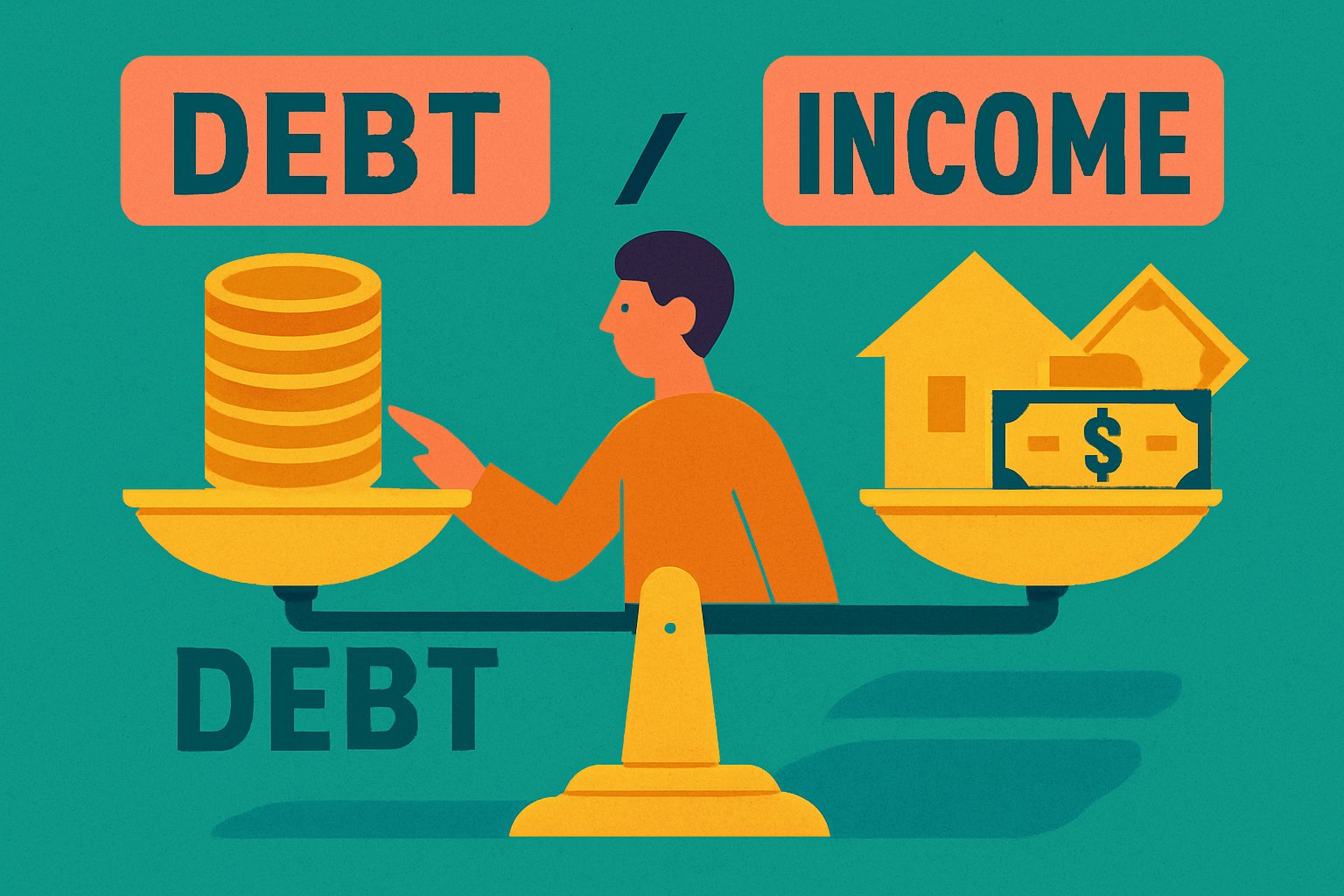

Debt crowdfunding has redefined the way individuals and businesses secure financing. By connecting borrowers directly with investors through online platforms, it has created a marketplace that is faster, more accessible, and often more flexible than traditional banking. Yet, as with any form of borrowing, investors want assurance that their money is safe. One of the most powerful tools for bridging the trust gap between borrowers and lenders is the personal guarantee. A personal guarantee is more than a formality. It is a pledge by the borrower—or sometimes a business owner—to repay the loan personally if the business or primary source of repayment fails. In the context of debt crowdfunding, where hundreds or thousands of investors may contribute to a single loan, this pledge carries significant weight. It signals to investors that the borrower is committed, accountable, and willing to put their own resources on the line.
Why Personal Guarantees Matter to Investors
At the heart of peer-to-peer lending lies a fundamental question: how can investors trust borrowers they have never met? Credit scores, income verification, and business performance data provide part of the answer, but many investors still crave a more tangible sign of commitment. This is where personal guarantees become invaluable.
For investors, a personal guarantee reduces risk. It ensures that if the business fails or the borrower defaults, the individual behind the application remains liable. This added layer of accountability often increases investor confidence, making them more willing to fund loans or accept lower interest rates. In a competitive borrowing environment, the presence of a personal guarantee can be the factor that tips the scales in favor of a particular applicant. Moreover, guarantees align incentives. Borrowers who pledge personal assets or financial responsibility are more likely to prioritize repayment. Investors understand this dynamic and often view guarantees as evidence of discipline and reliability. For borrowers, offering a guarantee can therefore open doors to funding that might otherwise remain closed.
The Risks Borrowers Must Consider
While personal guarantees can improve access to capital, they are not without significant risks. By signing one, borrowers expose their personal finances to potential claims in the event of default. This means that personal savings, property, or other assets could be at stake if the loan cannot be repaid through the primary source of funds.
The psychological weight of this commitment should not be underestimated. Borrowers who underestimate the risks may find themselves in financial distress if their venture falters. For entrepreneurs, this can blur the line between personal and business obligations, creating situations where a failed enterprise leads to personal bankruptcy.
Another risk lies in joint guarantees. In cases where multiple individuals sign on, such as co-founders of a business, each party may be held fully liable for the entire debt. This joint-and-several liability can create tension among partners and complicate personal relationships if financial trouble arises. Borrowers must therefore carefully evaluate not only their own capacity but also the dynamics of shared guarantees.
Understanding these risks does not mean avoiding personal guarantees altogether. Instead, it highlights the importance of using them strategically and with clear awareness of the potential consequences.
When Personal Guarantees Strengthen Applications
In debt crowdfunding applications, personal guarantees are most effective when used in specific contexts. For borrowers with limited credit history or weaker financial profiles, a guarantee can serve as a powerful compensating factor. Investors may be more willing to overlook certain weaknesses if they see a borrower taking on personal accountability. Small businesses also benefit from guarantees. Many crowdfunding platforms cater to entrepreneurs who lack the collateral required for traditional bank loans. By offering a personal guarantee, business owners demonstrate commitment and seriousness, which reassures investors that they are fully invested in the success of their venture.
Additionally, guarantees can reduce borrowing costs. Platforms often assign risk grades to applications, and the presence of a personal guarantee can shift a loan into a more favorable category. This may lead to lower interest rates, smaller fees, or faster funding times. For borrowers, the trade-off between personal risk and financial savings may be worthwhile, provided they have a solid repayment plan.
Strategies for Using Guarantees Wisely
The key to leveraging personal guarantees is to use them deliberately rather than by default. Borrowers should begin by conducting a clear-eyed assessment of their ability to meet repayment obligations. This involves projecting cash flows, stress-testing repayment scenarios, and identifying backup sources of funds in case of disruptions.
It is also wise to limit the scope of the guarantee where possible. Some platforms or lenders may accept capped guarantees, which restrict liability to a certain portion of the loan rather than the full amount. Others may allow guarantees tied only to specific assets. Negotiating such terms can reduce personal exposure while still providing reassurance to investors.
Transparency is another essential strategy. Borrowers should clearly explain in their applications why they are offering a guarantee, how they plan to manage repayment, and what safeguards they have in place. This level of openness not only builds trust with investors but also demonstrates a thoughtful approach to financial responsibility.
Finally, borrowers should seek legal and financial advice before committing to guarantees. Understanding the fine print, including enforcement mechanisms and jurisdictional implications, helps avoid unpleasant surprises later. Advisors can also suggest ways to structure guarantees in ways that balance borrower protection with investor confidence.
Alternatives and Complementary Approaches
While personal guarantees are valuable tools, they are not the only way to strengthen a debt crowdfunding application. Borrowers can also enhance their profiles by improving credit scores, showcasing strong income stability, or providing detailed business plans with realistic projections. Collateral, though less common in P2P lending, may also serve as an alternative or complement to guarantees. Some platforms incorporate innovative risk-sharing mechanisms, such as partial guarantees or insurance-backed protections. Borrowers should explore these options, as they can offer the benefits of investor reassurance without exposing personal finances to unlimited liability. The rise of hybrid models—combining elements of guarantees, collateral, and platform-level protections—provides borrowers with more flexibility than ever before. By considering alternatives and complements, borrowers can ensure that personal guarantees are part of a broader strategy rather than the sole mechanism for building trust.
The Future of Personal Guarantees in Debt Crowdfunding
As peer-to-peer lending matures, the role of personal guarantees is likely to evolve. Increasing regulatory oversight and advances in data analytics may reduce reliance on guarantees by providing investors with more robust risk assessment tools. Platforms are experimenting with artificial intelligence, alternative data sources, and predictive modeling to evaluate borrower reliability with greater precision.
Nevertheless, the fundamental principle of personal accountability will remain relevant. Investors will always value signs of borrower commitment, and guarantees offer a clear, tangible signal of that commitment. What may change is how guarantees are structured and integrated with other risk management measures. For borrowers, this means ongoing opportunities to use guarantees strategically, but with the added benefit of more nuanced and balanced lending ecosystems.
Balancing Opportunity and Responsibility
Personal guarantees in debt crowdfunding applications are powerful tools that can unlock opportunities for borrowers while reassuring investors. They signal commitment, reduce perceived risk, and often improve loan terms. Yet they also carry serious responsibilities, exposing personal finances to potential claims in the event of default. The path to using guarantees wisely lies in balance. Borrowers must evaluate their repayment capacity honestly, limit exposure where possible, and integrate guarantees into broader strategies for building credibility. Seeking advice, negotiating terms, and maintaining transparency are all essential steps in this process. For those who approach them thoughtfully, personal guarantees can be the bridge between aspiration and opportunity in the dynamic world of peer-to-peer lending. By using them wisely, borrowers not only secure funding but also demonstrate the responsibility and foresight that pave the way for long-term financial success.