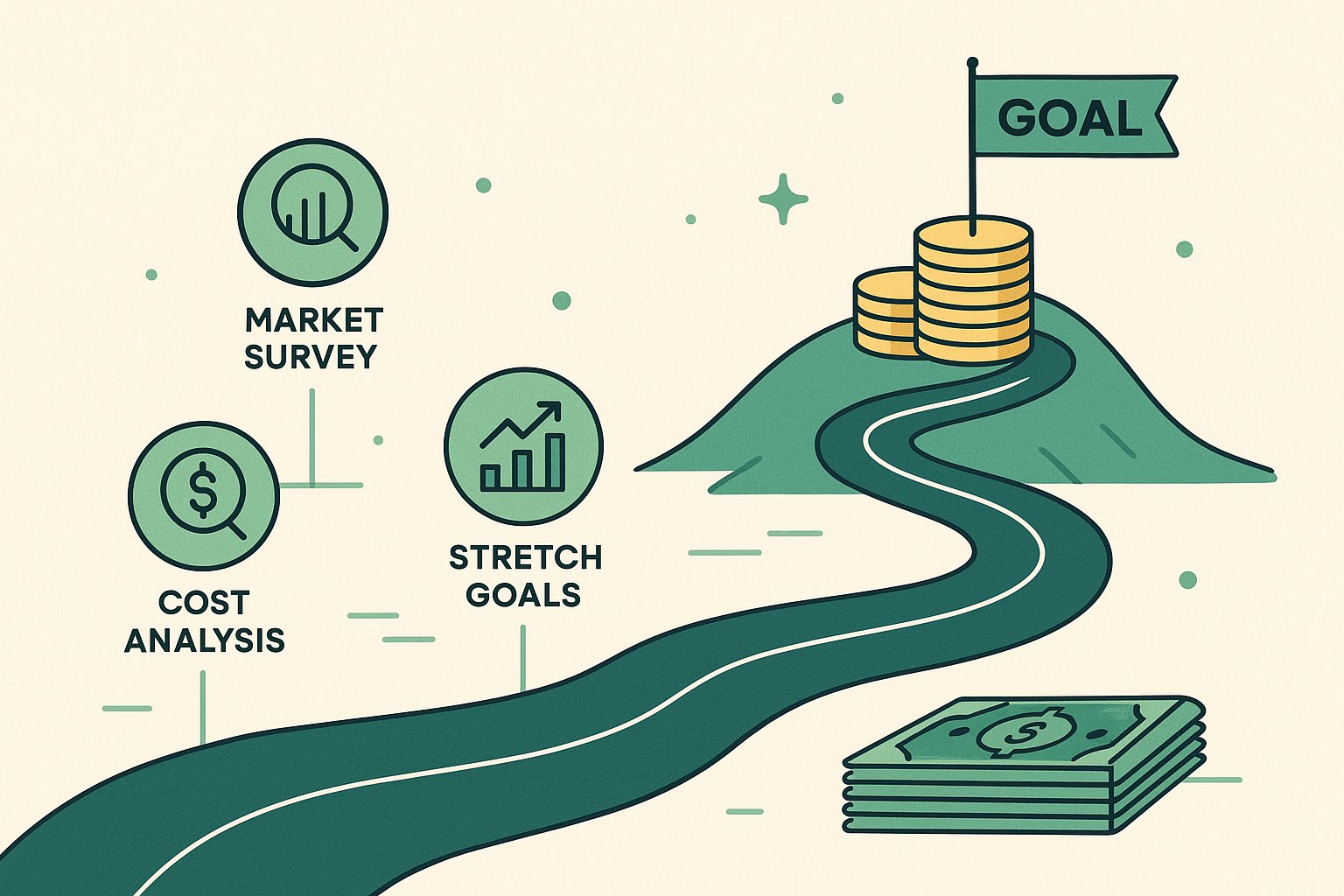

When most teams launch a campaign, one number dominates the conversation: revenue. While financial return is essential to business sustainability, defining campaign success solely by money creates a narrow lens that overlooks powerful, long-term gains. Brand strength, audience loyalty, trust, influence, learning, and market positioning often determine whether future revenue becomes easier or harder to achieve. A campaign can miss a short-term revenue target yet build brand equity that multiplies returns in the next quarter. It can generate conversations that expand reach exponentially. It can shift perception in a competitive market. It can attract higher-quality leads that convert later at stronger margins. When success is defined only in dollars, these outcomes remain invisible. To define success for your campaign beyond money, you must broaden your measurement framework. You must identify strategic, relational, and operational indicators that reflect sustainable growth. Revenue remains important, but it becomes one outcome among many, not the sole measure of worth. When you adopt this expanded view, your campaigns become more innovative, more resilient, and more impactful.
Building Brand Equity That Outlives the Campaign
Brand equity is one of the most valuable outcomes a campaign can produce, yet it rarely shows up on a short-term financial dashboard. Brand equity includes awareness, perception, trust, and emotional connection. These elements influence purchasing decisions long before a transaction occurs.
Consider whether your campaign increased brand recall within your target audience. Did more people recognize your name? Did they associate it with your intended values? Awareness builds familiarity, and familiarity reduces friction in future buying decisions.
Perception is equally important. A campaign can reposition a brand from generic to premium, from unknown to authoritative, or from transactional to mission-driven. These shifts influence long-term pricing power and customer loyalty.
Trust is perhaps the most valuable non-monetary outcome. Campaigns that provide value, education, or transparency deepen credibility. When trust grows, acquisition costs often fall over time because customers convert faster and refer others.
Defining success through brand equity requires tracking metrics such as branded search volume, direct traffic growth, social engagement quality, sentiment analysis, and share of voice. These indicators reflect whether your campaign strengthened your position in the market, even if immediate revenue fluctuates.
Measuring Audience Engagement and Relationship Depth
Engagement signals more than visibility. It reflects resonance. When people comment thoughtfully, share content, respond to emails, or spend meaningful time on your website, they are demonstrating interest that extends beyond passive exposure.
Success can be defined by the quality of interaction your campaign generates. Did your content spark discussion? Did it encourage dialogue rather than one-way broadcasting? Engagement depth often predicts long-term loyalty.
Time on page, repeat visits, email open rates, click-through rates, social shares, and community growth are all indicators of relational strength. A campaign that cultivates active participation builds an audience asset that can support future initiatives.
Beyond digital metrics, consider qualitative signals. Did customers mention your campaign in conversations? Did partners reference it positively? Did it strengthen your brand’s presence in industry discussions? These outcomes reveal influence that cannot be reduced to immediate sales.
When you define success through engagement, your focus shifts from transactional conversion to meaningful connection. This approach encourages campaigns that educate, inspire, and add value.
Evaluating Strategic Positioning and Market Influence
Campaign success can also be defined by how effectively it shifts your competitive position. Did your campaign differentiate your brand in a crowded space? Did it clarify your unique value proposition?
Strategic positioning influences long-term growth. A campaign that clearly communicates what sets you apart may reduce price sensitivity and strengthen loyalty. It can redefine how your audience perceives alternatives.
Market influence extends beyond your immediate customer base. Did your campaign generate media coverage? Did it inspire industry conversations? Did competitors respond? These signals indicate that your brand is shaping the narrative, not simply participating in it.
Search visibility improvements, backlinks from authoritative sources, and increased mentions in relevant communities all reflect expanding influence. These outcomes strengthen your digital footprint and support sustained growth.
When success includes market positioning, your campaign becomes a strategic move, not just a promotional effort. It advances your brand’s long-term standing.
Tracking Customer Experience and Satisfaction
Revenue can mask dissatisfaction. A campaign might generate sales, yet leave customers confused or disappointed. Defining success beyond money requires evaluating customer experience throughout the campaign journey.
Did your messaging align with the actual product or service experience? Were expectations met or exceeded? Customer feedback, surveys, reviews, and support inquiries provide insight into satisfaction levels.
Net promoter score, review ratings, and repeat engagement are valuable indicators. A campaign that increases customer satisfaction builds loyalty and advocacy. These outcomes reduce churn and increase lifetime value over time.
Consider whether your campaign simplified decision-making or reduced friction. A seamless journey enhances perception and strengthens relationships. Even if immediate revenue remains steady, improved experience creates momentum for future growth.
By measuring satisfaction, you ensure that success includes not just acquisition, but quality of interaction.
Assessing Learning and Organizational Growth
One of the most overlooked definitions of campaign success is learning. Every campaign generates data, insights, and experience. When captured effectively, this knowledge strengthens future performance.
Did your team test new messaging frameworks? Did you experiment with different channels or creative formats? Even if certain tactics underperformed, the insights gained may prevent larger missteps later.
Campaigns can improve internal processes. They can reveal bottlenecks in content production, gaps in communication, or inefficiencies in tracking systems. Addressing these weaknesses elevates organizational capability.
Documenting performance insights transforms experimentation into strategic advantage. Understanding what resonates, which audiences respond best, and how timing affects engagement creates a foundation for smarter planning.
When success includes learning, campaigns become stepping stones toward mastery rather than isolated events.
Cultivating Community and Long-Term Loyalty
Community is a powerful asset that transcends transactions. Campaigns that foster belonging and shared identity generate loyalty that extends beyond individual purchases.
Did your campaign invite participation? Did it encourage user-generated content, testimonials, or collaborative storytelling? Community-driven campaigns often create organic amplification.
Growth in subscriber lists, community membership, or event attendance can signal expanding loyalty. These assets represent future opportunity.
Loyal customers often become advocates. They refer others, defend your brand, and contribute to its credibility. While advocacy may not appear immediately in revenue figures, it significantly reduces acquisition costs and strengthens brand resilience.
Defining success through community encourages campaigns that prioritize authenticity and shared values. It shifts focus from short-term conversion to long-term connection.
Aligning Campaign Outcomes with Broader Mission
Campaigns should serve a broader organizational mission. Success can be measured by how effectively a campaign reinforces that mission and advances long-term goals.
If your brand stands for innovation, did your campaign showcase thought leadership? If your mission centers on empowerment, did your messaging reflect that value? Alignment strengthens consistency and trust.
Mission-driven outcomes might include increased educational impact, social awareness, or brand credibility within specific communities. These effects build intangible capital that supports sustainable growth.
When campaigns reinforce mission, they create cohesion across initiatives. Audiences begin to recognize patterns of authenticity rather than isolated marketing efforts.
Creating a Balanced Success Scorecard
To define success beyond money, create a balanced framework that includes multiple dimensions. Revenue remains important, but it sits alongside brand equity, engagement, positioning, satisfaction, learning, community, and mission alignment.
Establish measurable indicators for each dimension before launching your campaign. This ensures that you evaluate performance holistically rather than retroactively adjusting criteria.
Regularly review these indicators throughout the campaign lifecycle. If engagement increases but conversions lag, you may refine your calls to action. If satisfaction dips despite strong traffic, you may improve onboarding or communication.
A balanced scorecard encourages smarter decisions. It prevents overreaction to short-term revenue fluctuations and highlights progress in areas that contribute to sustainable growth.
From Transactions to Transformation
When you define success for your campaign beyond money, you elevate your marketing strategy. You move from chasing transactions to building transformation. Revenue becomes an outcome of value creation, not the sole objective. Campaigns that strengthen brand equity, deepen engagement, improve positioning, enhance customer experience, foster learning, cultivate community, and reinforce mission create momentum that compounds over time. They build assets that generate returns long after the campaign ends. In a competitive landscape, resilience matters. Brands that measure only revenue risk overlooking the very forces that sustain profitability. By broadening your definition of success, you create campaigns that deliver influence, trust, and strategic advantage. Money measures transactions. Broader metrics measure impact. When you design campaigns with this expanded perspective, you build not just profitable initiatives, but enduring brands.