Capturing Digital Attention: Why Google Ads Amplify Your Crowdfunding
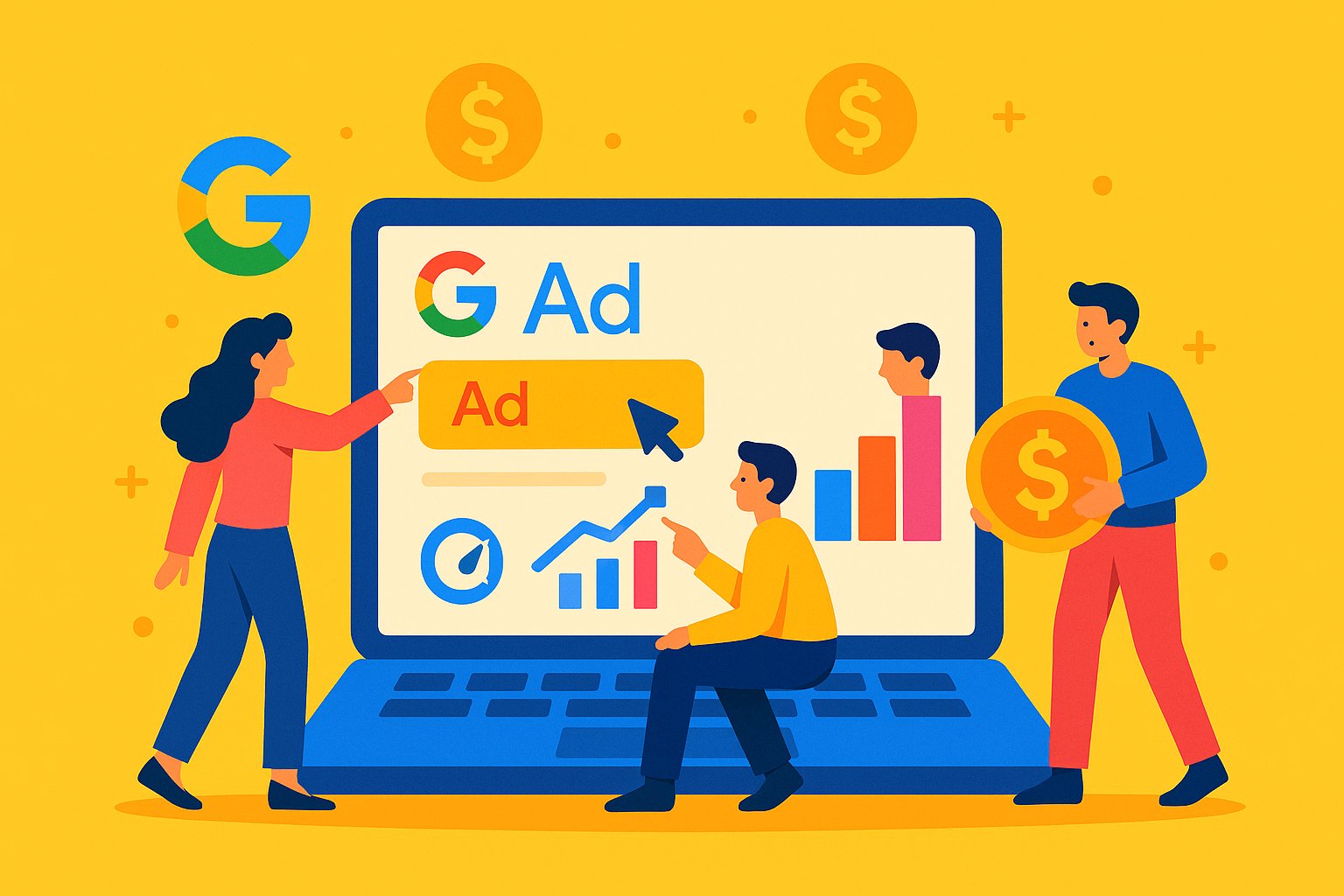
When you launch a crowdfunding project, the key to rapid success lies in drawing a steady stream of interested visitors to your campaign page. With countless crowdfunding initiatives clamoring for support, relying solely on organic reach and social media can leave your project overlooked. Google Ads, with its vast network and precision targeting, offers an invaluable shortcut to visibility. By bidding on strategic keywords, crafting persuasive ad copy, and guiding motivated users directly to your campaign, you bridge the gap between passive browsers and active backers. Whether you’re unveiling an innovative gadget, a passion-driven film, or a life-saving medical prototype, leveraging Google Ads equips you with the tools to attract the right audience at the right moment, converting clicks into crucial crowdfunding contributions.
Zooming In on Your Ideal Backer: Audience and Keyword Research
Every successful Google Ads campaign begins with a crystal-clear understanding of who you want to attract. Instead of casting a wide net, identify the core demographics and interests of your potential backers. Are they tech-savvy early adopters eager for cutting-edge gadgets, environmentally conscious consumers seeking sustainable solutions, or creative aficionados longing for fresh artistic projects? Once you define these audience segments, move to keyword research—discovering the exact search phrases your ideal backers use when they seek projects like yours. Tools such as Google’s Keyword Planner help uncover high-intent terms like “innovative solar charger crowdfunding,” “support indie documentary project,” or “pre-order smart home device Kickstarter.” By aligning your ad targeting with these precise queries, you ensure that every ad impression lands before a user already primed to explore and possibly fund your initiative.
Crafting Irresistible Ads: Headlines and Descriptions That Convert
With your target audience and keyword blueprint in place, the next step is to create ad copy that stops searchers mid-scroll. Headlines must be concise yet compelling—offering a clear value proposition in just a few words. A powerful headline might read, “Revolutionize Morning Routines: Pre-Order Our Smart Alarm” or “Join the Movement: Fund Eco-Friendly Water Bottles.” Accompanying descriptions should build on that promise, weaving in urgency and social proof: “Limited Early Bird Pricing—Be the First to Back This Innovation,” or “Featured in TechToday—Secure Your Spot Before We Sell Out.” Avoid generic language; instead, highlight unique campaign aspects—prototype images, endorsements, or a charity component. Remember that Google Ads grants limited character counts, so choose words that resonate emotionally while communicating practical benefits. When your headline and description align seamlessly with users’ search intent, you create a magnetic pull that encourages clicks and drives potential backers one step closer to pledging.
Designing Landing Pages That Deliver: Aligning Expectations
A great ad can attract attention, but the landing page must seal the deal. When a curious user clicks your Google Ad, they should arrive on a page that immediately validates the ad’s promise. Whether that’s a dedicated pre-launch sign-up portal, a fully-fledged campaign page with rich media, or a custom microsite highlighting your project’s core benefits, alignment is critical. Start with a headline that echoes the ad’s main selling point—“Yes, Our Smart Alarm Wakes You Up Smarter”—followed by concise copy that underscores the unique features, prototype visuals, and testimonials from early testers. Incorporate a clear call-to-action button—“Back Now” or “Get Early Access”—positioned above the fold so visitors don’t need to scroll. Fast load times are non-negotiable; a delay of even a few seconds can cause eager backers to bounce. By creating a frictionless transition from ad to landing page, you capitalize on the user’s initial interest and maximize the odds of converting that click into a pledge.
Balancing Spend and Impact: Smart Budgeting and Bidding Tactics
Effective Google Ads campaigns blend ambition with fiscal responsibility. Begin by establishing a realistic daily budget based on your overall crowdfunding goals and timeframe. If you aim to raise $50,000 in 30 days and anticipate a $50 cost per conversion, you’ll need roughly 1,000 conversions—translating to approximately $50,000 in ad spend, assuming a 2 percent conversion rate. Once you define that budget, choose a bidding strategy aligned with your objectives. Manual CPC bidding grants precise control over individual keyword bids, allowing you to prioritize high-intent terms and limit spend on generic queries. For those new to Google Ads, automated bidding—such as “Maximize Conversions”—can be a useful starting point, letting Google’s algorithm optimize bids dynamically based on individual user likelihood to convert. Monitor your average cost-per-click and cost-per-acquisition daily; if certain keywords drive disproportionate spend without yield, pause them and reallocate budget to top performers. Through continual refinement, you achieve a balance where every dollar spent delivers the highest possible impact for your crowdfunding project.
Elevating Ads with Extensions and Formats: More Real Estate, More Engagement
Google Ads offers a suite of extensions designed to enhance visibility and drive engagement. Sitelink extensions enable you to showcase multiple links beneath your main ad—perhaps directing users to distinct pages like “Mission & Vision,” “Early Backer Rewards,” or “Prototype Demo Video.” Callout extensions allow you to highlight key selling points—“Eco-Friendly Materials,” “Limited-Edition Perks,” or “Free Shipping to Early Backers”—without consuming additional headline space. Structured snippet extensions categorize offerings—such as “Support Tiers: Digital Badge, Collector’s Edition, VIP Tour,” giving users at-a-glance clarity. Additionally, call extensions provide a clickable phone number for users who prefer to speak directly, while location extensions guide interested backers to local events or pop-up demonstrations. By strategically deploying these extensions, you increase your ad’s footprint on search results, offering more entry points for potential supporters and elevating the chance that they engage with your campaign in a meaningful way.
A/B Testing for Excellence: Iteration That Drives Better Results
No ad campaign should remain static. A/B testing—running parallel ads with single variables tweaked—unearths actionable insights that propel performance. Perhaps you test two distinct headlines: one that emphasizes urgency (“Last Chance: Back Our Innovation!”) versus another that highlights social proof (“Rated Top 10 by GadgetReview.com”). Run each ad for a defined period—enough to gather statistically significant data—before comparing metrics such as click-through rate, conversion rate, and cost per conversion. If the social-proof headline yields a 20 percent higher click-through rate at a lower cost per acquisition, you’ve uncovered evidence to guide future copy decisions. Similarly, experiment with different landing page variations—one featuring a bold video banner, another showcasing customer testimonials first—tracking which layout ushers more visitors to hit the “Back Now” button. By instituting a culture of continuous testing and learning, you ensure that every element—headline, description, landing page design—evolves toward optimized performance, maximizing the ROI of your Google Ads spend.
Tracking Success: Google Analytics and Conversion Tracking
To understand which ad tactics truly drive crowdfunding pledges, integrate conversion tracking and Google Analytics into your campaign framework. Begin by setting up Google Ads conversion tracking—embedding a snippet of code on your “Thank You” or confirmation page that fires when a user completes a pledge or signs up for updates. Monitor conversion paths in Google Analytics, observing which keywords and ads guided users to that final page. Dive deeper by examining user behavior metrics: time on page, bounce rate, and scroll depth on your landing pages. If you notice that users from a particular ad group land on the page but abandon almost immediately, consider tweaking the ad’s messaging or optimizing the page’s load speed. By coupling Google Ads data with comprehensive site analytics, you gain a holistic view of user interactions, allowing you to refine your targeting, adjust bids, and tighten messaging to drive more qualified traffic—and ultimately more backers—to your crowdfunding initiative.
Retargeting Engaged Prospects: Turning Interest into Action
Even the most persuasive ad can’t convert every visitor on their first exposure. That’s where retargeting—showing tailored ads to users who previously interacted with your campaign—proves invaluable. Create remarketing lists in Google Ads by segmenting audiences: those who clicked but didn’t pledge, those who visited specific product pages, or those who abandoned the checkout form. Craft ads that address their potential objections—“Still on the Fence? See How Our Prototype Works!” or “Limited Reward Tiers Remaining—Claim Yours Today.” Use dynamic remarketing to display personalized visuals—images of the exact reward tier a user viewed—reminding them of what caught their eye. Since these audiences have already demonstrated interest, retargeting ads typically yield lower cost-per-acquisition rates, efficiently nudging hesitant prospects back into the pledge funnel. With retargeting, you transform fleeting visits into meaningful conversions, ensuring that warm leads don’t slip through the cracks.
Leveraging Ad Scheduling and Geographic Targeting
Fine-tuning when and where your ads appear can substantially boost campaign efficiency. If your crowdfunding project has a global scope but your primary backer base resides in North America and Europe, limit ad delivery during peak hours in those regions. Use ad scheduling to increase bids during high-conversion windows—such as evenings when potential backers scroll for interesting projects—or decrease bids during low-traffic periods like early mornings. Geographic targeting further hones your focus: if you’re offering region-specific rewards—such as local meet-and-greet events or limited-edition merchandise shipped only to select countries—exclude regions where shipping costs render rewards impractical. This granular control ensures that every impression aligns with your campaign’s logistical capabilities and maximizes the likelihood of attracting backers who can realistically participate. By combining ad scheduling with thoughtful geographic targeting, you streamline spend and concentrate on the audiences most likely to convert.
Integrating Google Ads with Organic and Social Efforts
While Google Ads is a potent channel in its own right, weaving it into a broader marketing tapestry amplifies impact. Coordinate your ad copy’s messaging with organic social media posts—ensuring consistent branding and reinforcing key benefits across channels. If you launch a Google Ad campaign centered on early-bird perks, follow up with an Instagram post showcasing an influencer unboxing that exact reward. Drive email newsletter subscribers to click through a Google search ad for exclusive pre-launch access, then nurture them with automated email sequences that echo the ad’s promise. Likewise, use social proof from organic channels—testimonials, media features, influencer endorsements—to refine your ad headlines, injecting credibility that resonates with Google searchers. By synchronizing paid, earned, and owned media, you craft a unified narrative that deepens trust, bolsters recognition, and drives a higher volume of both ad clicks and organic referrals to your crowdfunding project.
Scaling and Sustaining Your Campaign’s Success
As your crowdfunding project gains traction and approaches funding goals, consider scaling your Google Ads efforts in alignment with campaign milestones. Gradually increase budgets during peak fundraising windows—such as the final 72 hours—when urgency is highest and potential backers feel compelled to act. Introduce new ad creatives that spotlight milestone achievements—“Join 1,000+ Backers Today!” or “90% Funded—Help Us Reach the Finish Line.” Expand keyword lists to include long-tail phrases generated by user queries or evolving campaign features, ensuring you capture broader search traffic. Simultaneously, pause or adjust underperforming ad sets to maintain cost-efficiency. Even after meeting initial targets, continue running a lean retargeting campaign to welcome latecomers or those who missed early-bird windows. Sustained attention during post-launch phases can generate ancillary benefits—media coverage, partnerships, and future brand advocates—that extend beyond your immediate crowdfunding goals.
Turning Clicks into Backers
In the crowded landscape of reward-based crowdfunding, visibility is your greatest asset. Google Ads furnishes a direct pathway to users actively seeking projects like yours, enabling you to bypass passive discovery and engage enthusiastic backers in real time. By honing in on precise audience segments, crafting high-impact ad copy and landing pages, optimizing budgets, and leveraging advanced tactics like remarketing and ad scheduling, you transform every ad dollar into a strategic investment in your campaign’s success. When executed thoughtfully and iteratively—guided by data and user feedback—Google Ads transcends mere traffic generation, becoming a catalyst for building a community of committed supporters. As you harness the power of search-driven advertising, you’ll see firsthand how meticulously targeted ads can propel your crowdfunding project from an ambitious vision to a fully funded reality.