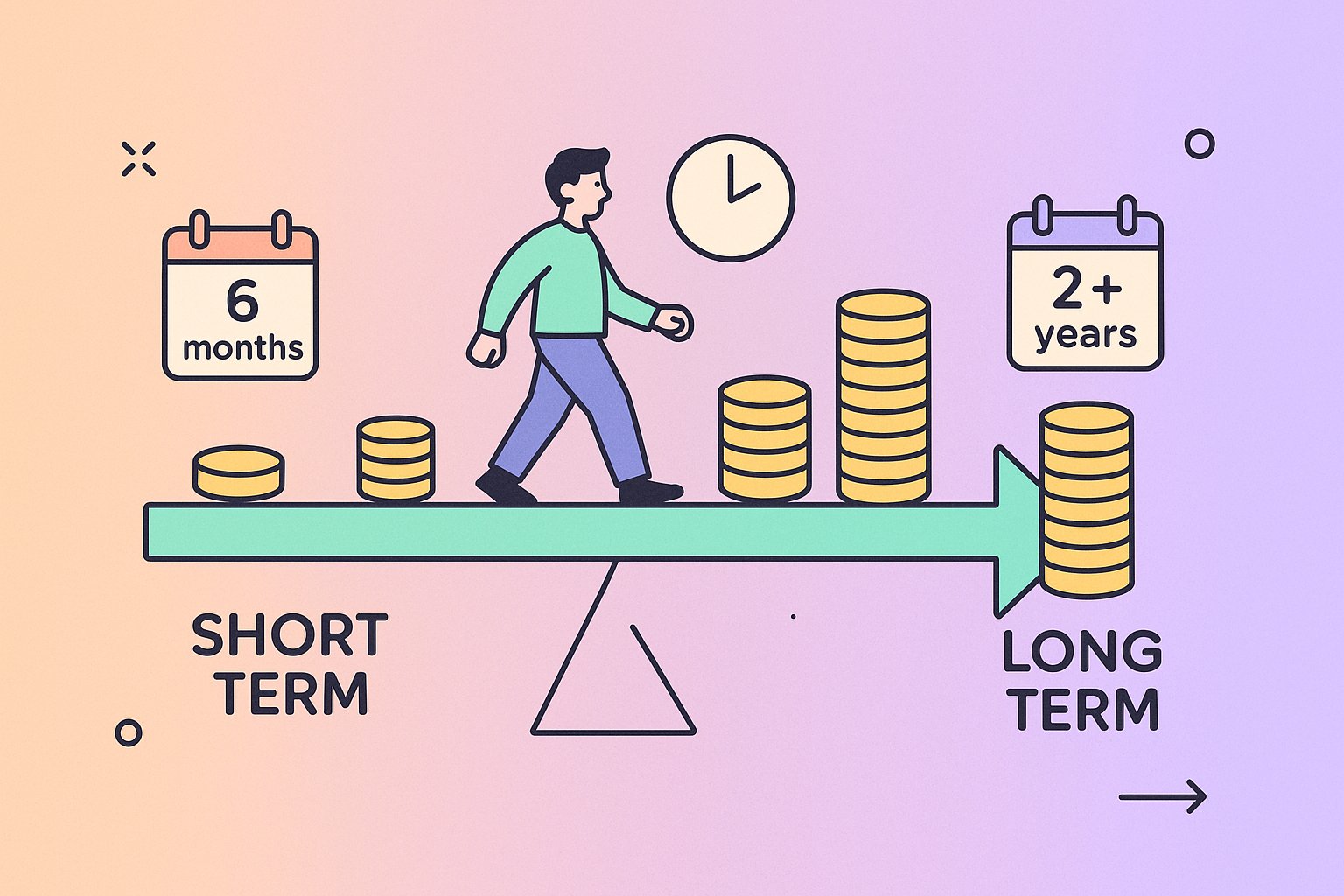

Peer-to-peer lending has rapidly grown into one of the most disruptive forces in modern finance. Once dominated exclusively by banks and large financial institutions, lending has become democratized through online platforms that connect borrowers directly with individual investors. This shift has made borrowing more accessible and investing more engaging, with millions of people worldwide now participating in P2P markets. At the center of this lending revolution lies a crucial distinction: secured versus unsecured loans. The difference between these two categories goes beyond technical definitions. They represent contrasting approaches to risk, borrower obligation, and investor protection. Understanding how they function in peer-to-peer lending models is essential for anyone considering participation, whether as a borrower looking for capital or as an investor searching for returns.
What Makes a Loan Secured in Peer-to-Peer Platforms
A secured loan is one that is backed by collateral. In traditional finance, this might include a mortgage tied to real estate, an auto loan linked to a vehicle, or a business loan supported by equipment. In peer-to-peer lending, the principle is the same: borrowers pledge an asset of value that serves as security for the loan. If the borrower defaults, the lender or platform has the right to seize the collateral to recover losses. The presence of collateral lowers the perceived risk for investors. Knowing that a loan is tied to a tangible asset increases confidence, as it provides an extra layer of protection. For borrowers, secured loans often translate into lower interest rates since the security reduces the likelihood of total loss for investors. Platforms may structure these loans in ways that make collateral management easier, such as requiring documentation, third-party valuation, or legal agreements.
However, secured loans in P2P lending are not without challenges. Platforms must ensure that collateral can be properly valued, held, and liquidated if necessary. This process adds complexity and costs that may not exist in unsecured lending. It also means that borrowers must be willing to risk losing their pledged asset if they fail to meet repayment obligations. For some, the idea of tying personal or business property to a loan can be daunting.
The Appeal and Risks of Unsecured Loans
Unsecured loans, by contrast, are based solely on the borrower’s creditworthiness. No collateral is required, making them simpler, faster, and often more appealing to borrowers who either do not possess valuable assets or prefer not to risk them. In P2P lending, most personal loans, debt consolidations, and small business loans fall into this category.
For investors, unsecured loans carry greater risk since repayment depends entirely on the borrower’s willingness and ability to pay. Without collateral, defaults can result in significant losses, as recovery options are limited. To compensate, unsecured loans typically offer higher interest rates, appealing to investors willing to accept added risk for the potential of better returns. Borrowers benefit from the flexibility of unsecured loans. The application process is often streamlined, approvals are quicker, and funds can be obtained without encumbering assets. This accessibility is one of the reasons unsecured lending dominates many P2P platforms. Yet the lack of collateral means borrowers with weaker credit histories may face steep interest rates, making repayment more burdensome over time.
Investor Considerations: Balancing Risk and Reward
From an investor’s perspective, the choice between secured and unsecured loans involves weighing risk against return. Secured loans offer peace of mind because they include collateral that can be liquidated in the event of default. While the process of recovering value may not be simple, the presence of an asset reduces the likelihood of a complete loss. As a result, secured loans often yield lower interest rates, but they provide more stability.
Unsecured loans, on the other hand, present the possibility of higher returns. Investors may earn significantly more by participating in riskier loan pools, particularly when lending to borrowers with moderate credit scores who are willing to pay higher rates. However, this strategy comes with volatility, as defaults are more common in unsecured portfolios. Investors relying solely on unsecured lending must be prepared for fluctuations and should consider diversifying broadly across many loans to mitigate losses. Some investors adopt a hybrid approach, mixing secured and unsecured loans in their portfolio. This strategy allows them to benefit from the stability of collateral-backed loans while still capturing the potential upside of unsecured opportunities. The balance depends largely on individual risk tolerance, investment goals, and time horizon.
Borrower Perspectives: Choosing the Right Loan Type
For borrowers, the decision between secured and unsecured loans is equally significant. Those with assets they are comfortable leveraging may find secured loans attractive because of their lower costs and more favorable terms. Business owners, for example, often use equipment, vehicles, or receivables as collateral to access capital at affordable rates. Homeowners may use property as security for larger personal or business loans.
Unsecured loans are especially appealing to individuals seeking quick access to funds without putting personal property at risk. Someone consolidating credit card debt or covering medical expenses may prefer the speed and simplicity of an unsecured loan. The trade-off, of course, is the likelihood of higher interest rates, particularly if credit history is not strong.
Borrowers must also consider the consequences of default. With secured loans, failure to repay can result in the loss of assets, which may have long-term personal or business implications. With unsecured loans, defaults damage credit scores and may result in collection actions, but they do not immediately place assets at risk. The choice ultimately depends on the borrower’s financial situation, comfort with risk, and long-term repayment ability.
Platform Practices and Industry Evolution
Peer-to-peer lending platforms have developed varying approaches to secured and unsecured loans. Some specialize exclusively in unsecured lending, focusing on streamlined approvals and broad access to consumer loans. Others have introduced secured products, particularly for business or real estate borrowers, where collateral is easier to evaluate and enforce. The evolution of technology is also reshaping how platforms handle risk. Advanced algorithms and alternative data sources are improving credit assessments for unsecured borrowers, reducing reliance on traditional credit scores alone. For secured loans, platforms are experimenting with blockchain and digital registries to streamline collateral management, making it easier to track ownership and transfer rights if defaults occur.
Regulation is another factor influencing secured and unsecured lending in the P2P space. As the industry matures, regulators are paying closer attention to how platforms handle borrower risk, investor protection, and transparency. This scrutiny is likely to push platforms toward clearer practices regarding collateral, default processes, and the true cost of unsecured borrowing. For participants on both sides of the transaction, this means greater clarity but also potentially stricter rules.
The Future of Secured and Unsecured Lending in P2P Models
Looking ahead, both secured and unsecured loans will continue to play important roles in peer-to-peer lending models. Secured lending may expand in areas such as real estate and business financing, where collateral is easier to validate and manage. These loans offer investors a safer avenue and provide borrowers with access to larger amounts of capital at favorable terms.
Unsecured lending will likely remain dominant in consumer markets, especially as platforms refine their ability to assess creditworthiness using broader data sets. The appeal of quick, collateral-free access to funds ensures ongoing demand. For investors, unsecured lending will continue to present opportunities for higher returns, provided they accept the trade-off of greater risk.
The boundary between secured and unsecured loans may also blur as hybrid models emerge. Platforms might introduce partial collateralization, where borrowers secure only a portion of the loan, balancing risk for both sides. Innovations like this reflect the ongoing creativity in the P2P space and the constant search for balance between accessibility and protection.
Navigating the Loan Landscape with Confidence
The distinction between secured and unsecured loans is fundamental to peer-to-peer lending. For borrowers, the choice determines not only the cost of borrowing but also the risks they carry into the future. For investors, it shapes portfolio performance, risk exposure, and peace of mind. Both secured and unsecured loans have advantages and challenges, and both are essential to the health of the P2P ecosystem. Success in this environment requires clarity. Borrowers must assess their assets, creditworthiness, and comfort with risk before choosing a loan type. Investors must consider their tolerance for volatility, desired returns, and willingness to accept collateral complexity. Platforms, meanwhile, must continue to innovate, offering tools that balance opportunity with protection. In the end, understanding secured versus unsecured loans empowers participants to make informed decisions. By appreciating the nuances of each option, both borrowers and investors can navigate the expanding world of peer-to-peer lending with confidence, unlocking the potential of this transformative financial model.