Building Trust Through Flawless Execution
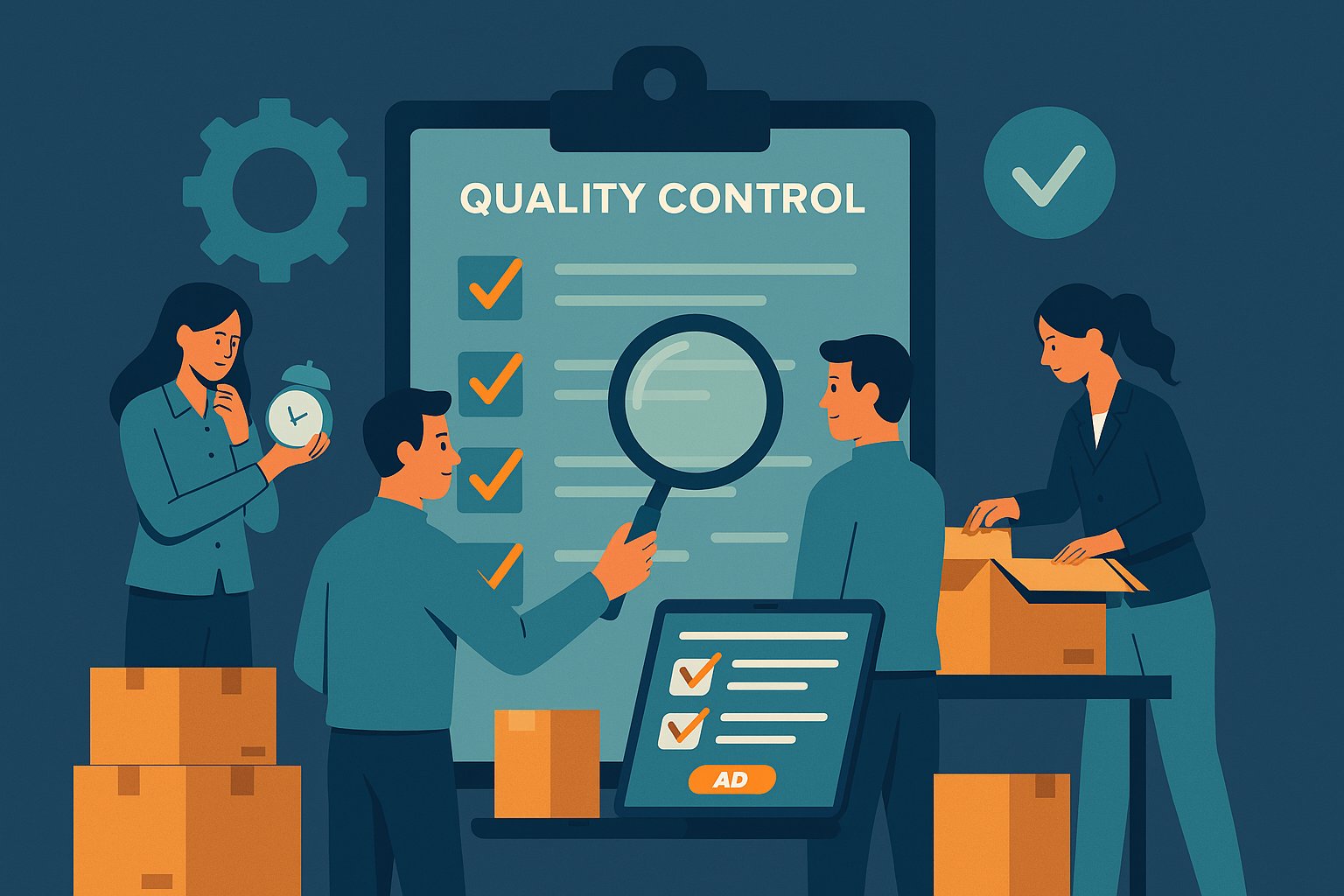
In the vibrant world of crowdfunding, a creator’s reputation hinges on the ability to deliver a high-quality product exactly as promised. Backers invest not only money but also faith in your vision, eagerly anticipating the moment they can hold a tangible version of your idea. However, the path from campaign success to product delivery can be fraught with hidden pitfalls, from manufacturing defects to packaging mishaps. Quality control isn’t an optional add-on; it is the lifeline that connects your innovation to backer satisfaction. When creators devote careful attention to establishing a comprehensive quality control checklist, they safeguard their credibility and pave the way for future campaign triumphs.
Defining Excellence: Establishing Clear Quality Standards
Before you embark on production, it is essential to articulate the specific criteria that define “quality” for your product. Whether you’re crafting an electronic gadget, a handcrafted accessory, or a board game, start by documenting the functional, aesthetic, and safety benchmarks your item must meet. For instance, electronics must adhere to precise voltage tolerances, while artisanal goods may require uniform finishes and stitching consistency. Draft a quality specification sheet that delineates acceptable tolerances—such as allowable color variations, material thicknesses, and weight ranges. This living document not only serves as a reference for your manufacturing partner but also becomes the foundation of your quality control checklist. By outlining tangible standards upfront, you minimize ambiguity, streamline communication with suppliers, and underscore your commitment to backers that your product will exceed expectations.
Sourcing with Purpose: Vetting Manufacturing Partners
Selecting the right manufacturing partner is one of the most influential decisions a crowdfunding creator will make. A trustworthy factory will diligently adhere to your quality specifications, provide transparent progress updates, and offer proactive solutions when challenges arise. Before committing, conduct thorough due diligence: request samples from multiple suppliers, inspect past production runs, and verify third-party certifications such as ISO 9001 compliance or CE markings for electronics. Arrange video calls or on-site visits if feasible, so you can evaluate the factory’s production capacity, workforce skill level, and quality inspection processes. Incorporate these vetting activities into your quality control checklist by assigning deadlines for sample approvals, audit feedback, and contract finalization. When you invest time in identifying a manufacturing partner whose values align with your own, you’ll reduce the risk of costly defects and delays later in the process.
Pilot Runs and Prototype Validation
Even after finalizing your prototype, full-scale manufacturing can reveal unforeseen complications—tools may wear out faster than anticipated, molds might shift, or raw materials may exhibit subtle inconsistencies. To catch these issues early, schedule a pilot production run before committing to mass assembly. This small-scale manufacturing batch, typically 50 to 200 units depending on your product complexity, should mirror your final production process as closely as possible. During the pilot run, inspect each unit against your quality specification sheet: test electrical components under load, verify mechanical tolerances with precision instruments, and examine cosmetic surfaces for blemishes. Document every deviation and create a corrective action report detailing specific remedies—whether adjusting die-cut tolerances, swapping material vendors, or fine-tuning assembly jig settings. Incorporating a pilot-run inspection into your quality control checklist empowers you to refine your manufacturing workflow, mitigate risks, and ensure that the subsequent full-scale run produces uniformly excellent products.
In-Production Quality Audits: Maintaining Consistency
Once you transition from the pilot phase to mass production, maintaining consistent quality across thousands of units demands an ongoing audit process. Partner with a third-party inspection agency or assign a dedicated in-house quality inspector to conduct random sample checks at key production milestones. These in-production audits typically occur at three stages: initial assembly, mid-production, and final assembly. During the initial assembly checkpoint, confirm that raw components match agreed-upon specifications—such as verifying shrink-wrap thickness or measuring PCB copper traces. A mid-production audit ensures that components remain within tolerance and that assembly procedures have not drifted from your documented standards. Finally, a pre-shipment audit scrutinizes finished goods for functionality, cosmetic appearance, and packaging integrity. Embed each audit stage into your quality control checklist with clear pass/fail criteria and escalation protocols. If an audit uncovers a systemic defect—such as a misaligned injection-molded part—halt production immediately, investigate the root cause, and implement corrective measures before resuming the line. These ongoing audits preserve product uniformity and reinforce backer confidence in your brand’s reliability.
Packaging Inspection and Branding Fidelity
Even a flawlessly manufactured product can suffer reputational damage if it arrives with substandard packaging. Packaging serves dual functions: protecting your product during transit and conveying your brand story through design, materials, and unboxing experience. To guarantee both protection and presentation, include packaging inspection within your quality control checklist. First, verify that packaging materials—boxes, bubble wrap, foam inserts, or molded trays—meet durability benchmarks. Conduct drop tests to simulate worst-case shipping scenarios, ensuring the product remains fully intact. Next, review branding elements such as printed graphics, color matching, and finish quality on labels or sleeves. Minor deviations in logo placement or color saturation can undermine your campaign’s professional image. Finally, perform a mock unboxing to ensure that each component—product, instruction manual, warranty card, or promotional insert—fits seamlessly within the packaging. By treating packaging as an integral aspect of your product’s quality, you signal to backers that every detail is meticulously managed.
Pre-Shipping Final Verifications
As your production run concludes and inventory moves toward the fulfillment center, performing a final round of verifications is paramount. At this stage, you should validate that every unit destined for backers is in pristine condition and accompanied by all promised accessories. Develop a pre-shipping verification list that includes functional checks—such as powering on electronics, calibrating sensors, or lubricating mechanical parts—and aesthetic inspections, which involve scanning each unit for scratches, dents, or paint inconsistencies. Simultaneously, confirm that any bundled accessories, like charging cables, toolkits, or instruction leaflets, are correctly packaged alongside the main product. If your value proposition includes “limited edition” components—such as numbered certificates or exclusive color variants—verify that the correct quantities and serial numbers align with pledge tiers. Include a cross-reference step in your checklist to match the batch’s serial numbers with your campaign’s backer allocation list, ensuring accuracy down to the last unit.
Handling Deviations: A Clear Escalation Path
Despite the most careful planning, deviations from your quality standards can still occur. Preparing an escalation path that outlines how to handle non-conformities is essential to preventing small issues from snowballing into large-scale defects. Your quality control checklist should define specific thresholds for acceptable defect rates. For instance, you might allow up to 2% of units to exhibit minor paint blemishes but require immediate action if more than 5% exceed that limit. When a deviation emerges at any inspection stage—pilot run, in-production audit, or pre-shipment verification—use a tiered response protocol: minor issues trigger in-line corrections, while significant defects necessitate a production halt. Engage with your manufacturing partner to root-cause analyze the problem, whether it involves recalibrating CNC machines, adjusting mold gate locations, or switching to a higher-grade material. Document all corrective actions, track their effectiveness over subsequent batches, and update your quality control checklist accordingly. This strong escalation framework equips you to tackle problems swiftly, minimizing wasted units and preserving backer trust.
Engaging Backers with Transparent QC Updates
Crowdfunding thrives on transparency and community engagement. As you progress through the various QC milestones—from supplier selection to pre-shipment audits—share concise updates with your backers. Instead of just posting vague “we’re on schedule” messages, provide meaningful insights: show a photo of the inspection bench with testing gauges, share a summary of any pilot run refinements, or describe how you tackled a packaging durability challenge. Regular updates woven into your quality control timeline demonstrate that you’re actively safeguarding their investment. When backers see a robust QC framework in action, they feel more confident that their reward is on track and that you respect their backing. Embed these communication checkpoints into your quality control checklist, setting target dates for each update. This disciplined approach ensures that community engagement remains consistent and aligned with the underlying QC activities.
Post-Delivery Feedback and Continuous Improvement
The final link in the quality chain is post-delivery feedback. Even after all units ship, actively solicit backers’ insights on their experience—both product performance and packaging satisfaction. Encourage them to share images of their unboxing, comment on any defects encountered, and suggest areas for improvement. Aggregate these data points into a structured post-mortem report that compares actual defect rates and return requests against your original QC benchmarks. Did a small percentage of backers report loose components? Were there regional shipping damage hotspots? By analyzing these patterns, you can identify latent issues that may have slipped through initial inspections. Update your quality control checklist for future campaigns to address these findings—whether that means adjusting an in-production audit frequency, adopting a sturdier foam insert, or fine-tuning a calibration step. Embracing continuous improvement not only enhances product reliability but also cements your reputation as a creator who listens and iterates for excellence.
Cultivating a Culture of Quality for Future Campaigns
A robust quality control checklist is not a one-off asset but a living blueprint that evolves alongside your brand. With each new crowdfunding venture, revisit your checklist to integrate lessons learned, fresh insights, and enhanced best practices. As your operations scale, consider implementing digital workflow tools—such as cloud-based QC management software—that automatically log inspection results, track deviations, and generate real-time analytics.
Establish Clear Quality Standards: Document functional, aesthetic, and safety benchmarks with specific tolerances (e.g., material thickness, color consistency, electrical specifications).
Vet Manufacturing Partners: Request and inspect samples, verify certifications, and evaluate production capacity, communication, and past performance before signing on.
Conduct Pilot Production Runs: Produce a small batch mirroring final processes, inspect each unit against specifications, and document corrective actions for any deviations.
Implement In-Production Audits: Schedule random checks at initial, mid, and final assembly stages to verify components, assembly accuracy, and adherence to QC criteria.
Inspect Packaging and Branding: Test packaging durability (drop tests, material checks) and ensure printed graphics, color matching, and unboxing experience meet brand standards.
Perform Pre-Shipping Verifications: Verify functionality of each unit, confirm inclusion of all accessories, and cross-reference serial numbers with backer allocations.
Define Deviation Escalation Path: Set acceptable defect thresholds, halt production upon significant flaws, investigate root causes, and implement corrective measures before resuming.
Communicate QC Milestones to Backers: Share meaningful updates—photos of inspections, pilot run findings, and packaging tests—to maintain transparency and build trust.
Collect Post-Delivery Feedback: Solicit backer input on any defects or issues, compile a post-mortem report, and compare actual defect rates to original QC benchmarks.
Iterate and Improve: Update the QC checklist based on feedback and audit findings, integrate lessons learned, and adopt digital QC management tools for future campaigns.
Establishing a company-wide culture that values precision and accountability ensures that every team member, from design engineers to shipping coordinators, understands the critical role they play in preserving backer satisfaction. By consistently demonstrating your commitment to quality, you attract repeat backers who become evangelists for your brand, laying a sturdy foundation for sustainable growth beyond a single campaign.
Delivering on Promises: The Power of Rigorous QC
In the competitive arena of crowdfunding, where backers have countless campaigns vying for their support, quality control can be the defining factor that elevates your project above the rest. A meticulously designed QC checklist protects your brand from manufacturing missteps, packaging mishaps, and shipment errors, while reinforcing backer trust through transparent communication and responsive problem-solving. By establishing clear quality standards, partnering with reliable manufacturers, conducting pilot runs, embedding inspections throughout production, and actively soliciting post-delivery feedback, you build a resilient framework that transforms every pledge into a tangible success story. When backers receive a product that aligns perfectly with your campaign’s promises, they become lifelong advocates—propelling your vision forward and transforming a single crowdfunding triumph into a lasting legacy.