
Join the Wave: How Donor Circles Turn Small Gifts into Big Change
Crowdfunding made individual giving instant and democratic, but the reality is that pooled resources often create far greater momentum than scattered dollars. Donor circles — informal groups of givers who pool funds, intelligence, and influence — are the multiplier many modern philanthropists use to turn modest donations into transformational grants, well-run campaigns, and sustained impact. This guide takes you beyond the buzzword to practical steps: how donor circles operate, how to find or form one, what governance and due diligence look like, and the strategic approaches that help donor circles amplify crowdfunding outcomes. Whether you’re a first-time donor curious about collective giving or a seasoned philanthropist seeking more leverage, the path to meaningful collective impact starts with a few intentional choices and the right social architecture.
Why Donor Circles Change the Math of Crowdfunding
Individual donors can be generous, but they can also be fragile: one compelling story, one viral post, and a campaign can surge — or vanish — overnight. Donor circles change the economics and incentives of giving. By pooling funds, members secure the ability to fund larger projects, negotiate better terms with nonprofits and vendors, and sustain long-term commitments that single donations can’t achieve. Beyond money, donor circles bring shared due diligence, which reduces risk and drives smarter allocation. Crowdfunding campaigns that might attract only modest micro-donations can unlock substantial impact when a donor circle concentrates resources, provides matching funds, or offers multi-year commitments. The collective voice of a donor circle also changes the behavior of fundraisers, nudging them toward greater transparency and longer-term thinking because they’re accountable to a group that expects measurable outcomes.
Different Flavors: Exploring Types of Donor Circles
Donor circles come in many shapes. Some are tightly structured, with formal bylaws, committees, and annual cycles of grantmaking. Others are looser networks where friends agree to rotate leadership, vet projects together, and match each other’s donations. Thematic circles focus on specific causes — education, climate resilience, refugee relief — allowing members to build expertise and relationships in that area. Geographic circles concentrate local knowledge and can move quickly to support community-level crowdfunding campaigns. There are also fiscal-sponsorship-based circles that route pooled funds through a registered nonprofit, offering tax deductibility and professional fund administration. Each model has trade-offs: formal circles offer fiscal safeguards and scale; informal groups deliver agility and personal trust. The right fit depends on your goals, risk tolerance, and appetite for administrative work.
Finding or Building the Right Circle for You
Finding an existing donor circle often starts with your networks. Professional associations, alumni groups, faith communities, and civic organizations frequently incubate giving circles. Crowdfunding platforms and community foundations sometimes host or advertise local groups and thematic collaboratives. If you don’t find a match, building a circle is surprisingly accessible. Start small with a few people who share values and a commitment to learn. Agree on a simple charter: contribution levels, meeting cadence, decision-making process, and minimal reporting expectations. Early conversations should surface shared values and priorities so the circle can create a coherent grantmaking lens. Clear expectations about member involvement, confidentiality, and conflict-of-interest policies will save headaches later. Ultimately, a successful circle is less about scale and more about consistent practice and mutual trust.
Governance That Works: Balancing Structure and Flexibility
Governance is where many new donor circles stumble, but it’s also where sustainable power is made. Even a small group benefits from explicit rules: who decides, how decisions are made, what information members must share, and how funds flow in and out. Some circles adopt majority voting for grantmaking, while others require consensus or use weighted voting based on contribution size. Committees for vetting, communications, and finance can distribute labor and ensure specialized oversight. Transparency toward members is critical; regular financial statements, grant rationales, and post-grant updates build confidence. At the same time, governance must preserve flexibility to act quickly when a timely crowdfunding opportunity arises. Many circles solve this by reserving a portion of pooled funds as an emergency or rapid-response pot that the group can deploy with simplified approval rules.
Due Diligence: Doing the Homework That Protects Your Collective Gift
Pooling money increases leverage — and responsibility. Donor circles must adopt robust due diligence habits that go beyond surface-level checks. Start with organizational verification: confirm nonprofit registration, review mission alignment, and, where possible, inspect recent financial statements or Form 990 equivalents. Examine leadership and board composition, past project outcomes, and any public-facing evaluations. For crowdfunding campaigns, confirm that the fundraiser is aligned with a reputable organization or a verified fiscal sponsor; check the campaign’s budget, distribution plan, and monitoring mechanisms. Scrutinize procurement and safeguarding practices when funds target vulnerable populations. Donor circles should also assess the operational capacity of the local partner — do they have staff, systems, and relationships to spend and report funds responsibly? Finally, require a clear plan for impact measurement: what indicators will be tracked and how soon will the group receive evidence of outcomes?
Decision-Making: From Consensus to Strategy
How a circle decides what to fund is as important as what it funds. Decision-making frameworks that combine shared values with measurable criteria create consistency. Some circles use scoring rubrics that weigh urgency, feasibility, scalability, and alignment with member interests. Others adopt rounds of shortlisting: an initial nomination phase, a rapid vetting phase, and a final selection meeting where members discuss trade-offs in depth. Consider setting different funding streams: one for matching crowdfunding campaigns that need short-term boosts, another for larger multi-year grants aimed at building capacity. Matching programs are particularly powerful for crowdfunding because they signal confidence, attract new donors, and can trigger platform algorithms that boost visibility. Regardless of the method, document the rationale behind each grant so future decisions build on institutional memory and learning.
Pooled Funding Mechanics: Money Flows Without Friction
Sound financial mechanics make giving simple and reliable. Circles can collect contributions via direct transfers to a host nonprofit (fiscal sponsorship), through a donor-advised fund, or into a dedicated bank account managed by a treasurer or fiscal agent. Fiscal sponsorship offers tax deductibility and professional fund administration but may come with fees and restrictions. Donor-advised funds provide administrative ease but can distance donors from direct control. Whichever route you choose, ensure clear records of contributions, receipts for tax purposes, and transparent disbursement logs. Establish a timeline for when pooled funds will be deployed — regular cycles, by-request disbursements, or reserve-based rapid response — and set aside a small operational budget for due diligence, administrative costs, and convenings.
Amplification Strategies: Matching, Leverage, and Strategic Collaborations
Donor circles amplify crowdfunding impact through strategy, not just size. Matching gifts effectively double the incentive for small donors and can dramatically increase campaign momentum. Leveraging relationships with corporate partners, in-kind service providers, or media outlets can add value beyond cash. Strategic collaborations with local intermediaries — community foundations, mutual aid networks, or long-standing NGOs — improve efficiency and reduce duplication. Donor circles also increase impact by funding capacity building: paying for logistics, monitoring systems, or staff training helps local organizations scale and improves long-term results. Another high-impact approach is layered funding: combining a rapid crowdfunding match with a subsequent capacity grant to ensure immediate relief and sustained recovery. Thoughtful sequencing multiplies the effect of each dollar.
Measuring What Matters: Impact Beyond the Dollar Amount
Impact measurement in crowdfunding is challenging but doable. Donor circles should specify what success looks like before disbursing funds. For emergency giving, success might be the number of households reached, essential supplies distributed, or medical services delivered within a timeframe. For longer-term projects, indicators might include enrollment increases, improved crop yields, or sustainable revenue streams for a community business. Use simple, verifiable metrics and require partners to provide timely reporting with receipts, photos, and beneficiary feedback. Invest in qualitative learning too: stories, beneficiary interviews, and third-party spot checks often reveal systemic lessons that numbers miss. Circles that prioritize learning will refine selection and stewardship practices over time, improving the impact of every subsequent campaign they support.
Communication and Stewardship: Keeping Members and Communities Aligned
Transparent, timely communication is the currency of trust in a donor circle. Members expect regular updates on fund status, grant rationales, and impact reports; recipients deserve respect, clear expectations, and prompt payments. Create a rhythm of communication: pre-grant briefings, mid-project check-ins, and post-grant evaluations. Public-facing communications should align with ethical storytelling practices, honoring beneficiaries’ dignity and consent. Internally, foster channels for member feedback and learning — frank discussions about failures are as important as celebrating wins. Stewardship extends to donors and grantees alike: thank-you notes, shared learnings, and public acknowledgment of partnerships strengthen relationships and encourage continued collaboration.
Legal and Tax Considerations: Know the Rules That Shape Giving
Donor circles operate within legal frameworks that affect tax deductibility, reporting obligations, and fiduciary responsibilities. If your circle routes funds through a fiscal sponsor or community foundation, understand the terms of the sponsorship, any administrative fees, and restrictions on grantmaking. If members expect tax deductions, choose the vehicle accordingly and ensure receipts are issued. Be mindful of cross-border legalities for international crowdfunding support, including transfer restrictions, sanctions, and local registration requirements. For circles with formal structures, consult legal counsel to draft conflict-of-interest policies, contribution agreements, and governance documents. Clear legal guardrails protect both the circle’s reputation and its ability to deliver meaningful aid.
Stories That Inspire: Small Circle, Big Wins
Donor circles create ripple effects that single donors rarely achieve. A neighborhood circle that coordinated a matching campaign for a community clinic not only hit its funding goal but also negotiated discounted medical supplies, doubling the campaign’s reach. A themed climate-focused circle pooled funds to underwrite a crowdfunding project that scaled a local reforestation program and funded a monitoring system that ensured long-term survival of planted trees. These stories share common threads: focused strategy, local partnerships, and a willingness to invest in operations as well as outputs. The point is not perfection but intentionality; circles that act with care and curiosity consistently unlock outcomes that feel almost impossible at first glance.
How to Start Today: A Simple Path to Join or Create Impact
Starting or joining a donor circle doesn’t require endless meetings or millions of dollars. Begin by identifying two or three trusted people with a shared cause. Agree on a small, time-bound pilot: a pooled match for a crowdfunding campaign or a micro-grant to test the group’s dynamics. Document basic rules, collect contributions through a simple, verifiable method, and commit to a short post-grant evaluation. Use the pilot to learn governance preferences, vetting standards, and communication rhythms. Over time, scale the circle’s ambition as confidence and administrative capacity grow. The most important habit is consistency: regular contributions, regular conversations, and a culture of shared learning will compound the group’s influence far more than sporadic, large gestures.
Closing the Loop: The Long-Term Payoff of Collective Giving
Donor circles represent a different philosophy of philanthropy: not isolated heroics, but collective stewardship. They foster relationships between donors and communities, encourage rigorous decision-making, and provide the muscle for campaigns that require more than viral momentum. By pooling risk, expertise, and funds, circles amplify the efficiency and ethics of crowdfunding, turning rapid-response generosity into sustained, measurable change. If you care about influence as much as intent, joining or starting a donor circle is one of the most practical and fulfilling ways to make every crowdfunding dollar count. The collective journey begins with a single committed group of people deciding to give together, learn together, and hold each other accountable — and the impact that follows can reshape what funding can do in the world.
Related Articles

How to Vet Nonprofit Crowdfunding Campaigns Before You Give
Want to make sure your donation truly helps? This guide gives fast, practical checks to verify nonprofit crowdfunding campaigns, spot scams and vague appeals, and confirm funds reach real people. Learn which platforms, documents, and questions protect your gift, how to read budgets and reports, and when to give confidently, turning impulsive compassion into lasting, accountable impact that changes lives for the better today now.
Understanding Tax Benefits When Donating to Crowdfunding Campaigns
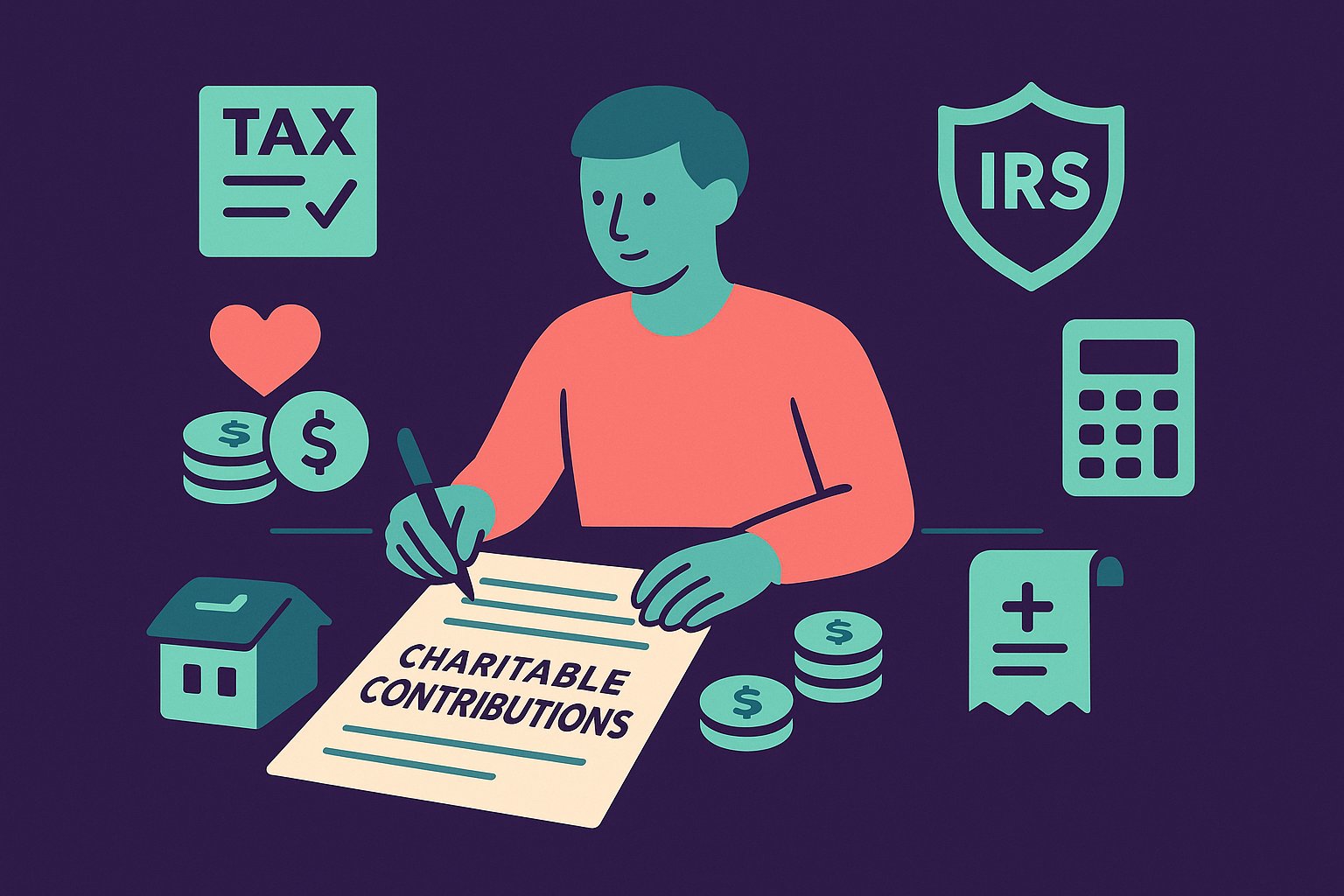
Ready to supercharge your generosity and save on taxes? Dive into our guide to discover how simple steps—verifying nonprofit status, securing proper receipts, and timing gifts—turn your crowdfunding donations into savvy, deductible contributions. Learn expert strategies to maximize every dollar, navigate IRS rules, and amplify your impact. Give with confidence, support causes you love, and watch your philanthropic spirit thrive alongside rewarding tax savings.

How to Choose the Right Donation Crowdfunding Campaign to Support
Ready to maximize your impact? Discover how to navigate donation crowdfunding with expert tips to find trustworthy campaigns, verify transparency, and align with causes that resonate. Learn to assess credibility, examine impact, and trust your instincts, ensuring every gift fuels genuine change. Empower yourself to support initiatives that reflect your values and see real results—turn generosity into transformative action.