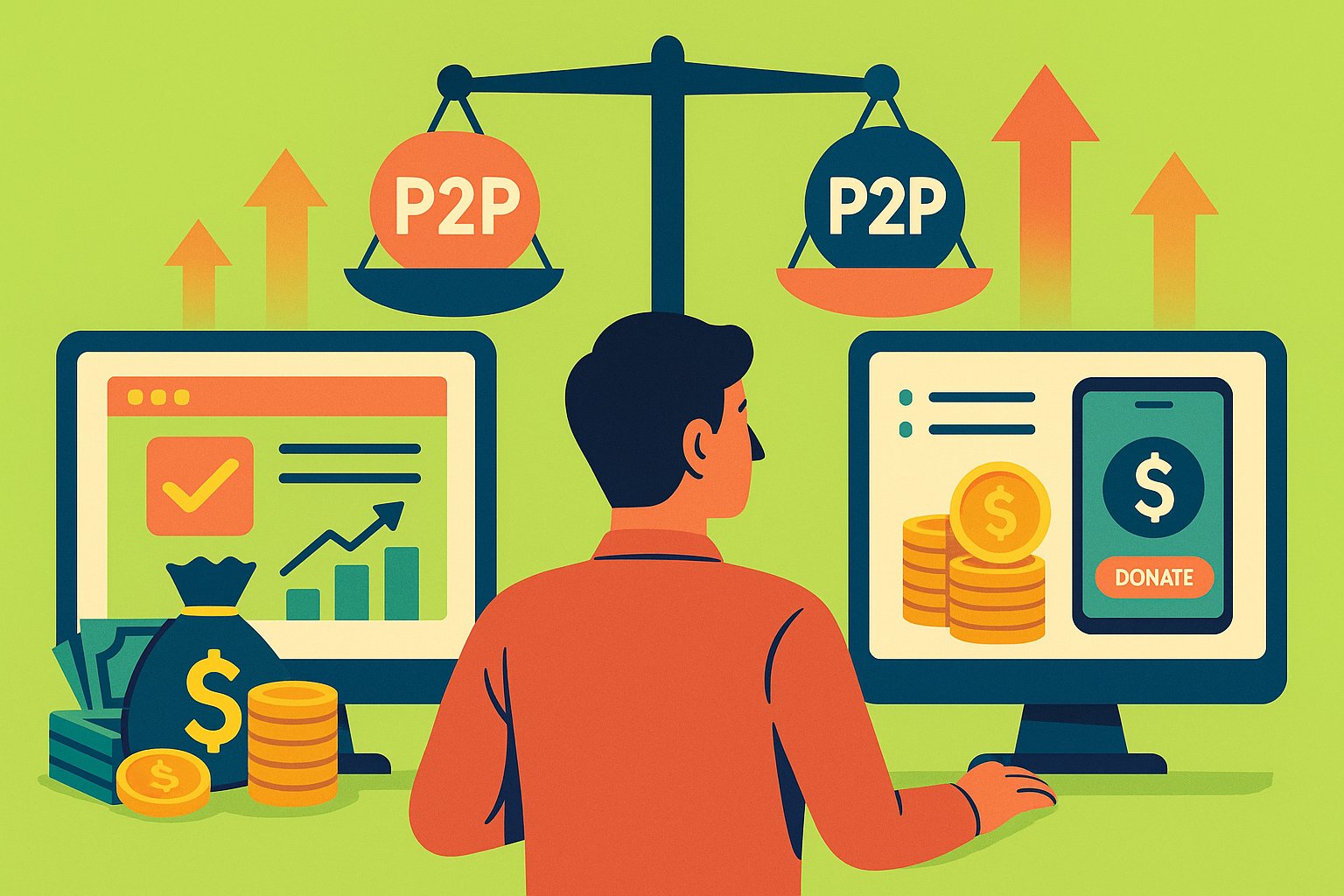

Short-term peer loans have become one of the most compelling pathways to steady cash flow in the modern investment landscape. Unlike long-term loans that tie up capital for years, short-term lending gives investors rapid repayment cycles, consistent interest income, and the ability to reinvest frequently. This creates a dynamic ecosystem where money moves quickly, returns accumulate efficiently, and investors maintain control over their liquidity. In a world searching for investment options that offer predictability without sacrificing opportunity, short-term peer loans stand out as a flexible, accessible, and profit-generating strategy. These loans—typically lasting from a few weeks to several months—offer a lending model built on speed, clarity, and measurable outcomes. Borrowers seek short-term funds for everything from bridging income gaps to financing inventory to covering business expenses, while investors enjoy fast turnover and regular cash flow.
Understanding the Mechanics of Short-Term Peer Loans
Short-term peer loans operate on faster cycles than traditional lending, making them ideal for investors who want steady, predictable repayment. These loans typically range from thirty days to twelve months, with many platforms focusing on durations of three, six, or nine months. As a result, investors receive frequent principal and interest payments, creating constant liquidity.
These loans serve a variety of borrowers. Individuals may request short-term loans for medical expenses, unexpected bills, or debt consolidation, while small businesses may use them for inventory purchases, payroll gaps, or project financing. Because the repayment window is short, these loans tend to be structured for borrowers experiencing temporary cash-flow needs rather than long-term financial challenges.
Interest rates vary depending on the platform’s risk model, borrower credit profile, and loan purpose. Short-term loans often carry attractive interest rates because borrowers value quick access to capital. This gives investors the potential for strong annualized returns even if the loan itself is relatively small or short-lived.
One of the biggest advantages for investors is accelerated compounding. As borrowers repay principal monthly or upon completion of the loan term, investors can immediately reinvest that capital into new loans. This produces a cycle of continuous growth where cash flow feeds further income generation.
Short-term lending thrives on momentum, making it a powerful tool for investors seeking consistent cash flow without long-term commitment.
Why Short Duration Supercharges Cash Flow
The short duration of these loans is what makes them so powerful for generating steady, reliable cash flow. With traditional multi-year loans, investors may wait long periods before they see meaningful principal returns, limiting their ability to adjust strategies or reinvest earnings. Short-term peer loans eliminate this bottleneck by returning capital quickly.
Rapid repayment cycles mean your money is constantly active. Investors can reinvest monthly payments into new opportunities, allowing compounding to occur more frequently. Each repayment injects liquidity back into the portfolio, giving investors the freedom to adapt quickly to shifting market conditions or new opportunities.
Short-term loans also reduce exposure to long-term economic uncertainty. When loan durations are brief, the risk of major market shifts affecting repayment decreases. Borrowers’ circumstances are easier to predict over short horizons, making repayment more reliable and default rates typically lower. Cash flow consistency is further strengthened by the regular cadence of payments. Investors can receive monthly or biweekly disbursements depending on the platform. This creates a rhythm of income that can supplement wages, fund reinvestment strategies, or support ongoing financial obligations.
Ultimately, the speed of the cycle is what makes short-term peer loans such an effective cash-flow generator. The faster money returns, the more opportunities arise to harness new yield, strengthen the portfolio, and maintain liquidity.
Evaluating Borrower Profiles for Safe, Steady Returns
Achieving steady cash flow with short-term peer loans depends on choosing borrowers strategically. While the fast turnover of these loans reduces long-term risk, evaluating borrower profiles carefully remains essential for minimizing the chance of default. Borrowers seeking short-term loans often have urgent financing needs, so understanding the nature of those needs can provide insight into risk. Borrowers using loans for temporary cash-flow gaps or specific, time-sensitive goals generally pose lower risk than those seeking funds for vague or unstructured purposes. Income stability plays a major role in minimizing risk. Because repayment cycles are fast, borrowers must demonstrate that they have the financial ability to meet upcoming obligations. Stable earnings, predictable business revenue, or verifiable cash flow are strong indicators of repayment capacity. Borrowers with irregular income or unstable employment require deeper scrutiny.
Debt levels also matter. Even though loan terms are short, borrowers with high debt obligations relative to income may struggle to meet repayments when unexpected expenses arise. Short-term lending typically works best for borrowers who need temporary support rather than ongoing debt restructuring.
Credit behavior provides further insight. Borrowers with long-standing patterns of on-time payments, responsible credit utilization, and minimal delinquencies are usually a safer choice for short-term lending. Investors should look for consistency and caution rather than sudden surges in credit usage or recent loan stacking. Evaluating borrower profiles with a clear framework ensures that investors build a portfolio centered on high reliability and steady cash flow.
Understanding Platform Risk Models and Loan Structures
Each lending platform applies its own risk model to evaluate borrowers, assign loan grades, and set interest rates. Understanding these systems helps investors choose short-term loans that align with their desired risk and cash-flow goals. Some platforms focus on traditional credit metrics such as credit scores, debt-to-income ratios, and income verification. These platforms typically attract borrowers with established credit histories and offer short-term loans with predictable outcomes. Investors who prefer lower volatility often choose these platforms for their stability and clear grading systems. Other platforms rely on advanced analytics, machine learning, and real-time cash-flow data to assess risk. These systems can identify strong borrowers who may not have perfect credit scores but demonstrate responsible financial habits. For investors seeking attractive yields without taking excessive risk, these platforms can provide opportunities missed by traditional underwriting models. Loan structure also influences cash flow. Many short-term loans use amortizing repayment, where borrowers make regular payments that include both principal and interest. This structure generates steady income and steadily returns capital. Some platforms offer balloon repayment loans where borrowers pay interest monthly and return the full principal at the end. These can produce strong cash-flow streams but require confidence in the borrower’s final repayment ability. Other short-term loans—such as invoice financing—tie repayment directly to incoming business revenue. These loans depend on the reliability of third-party payers and may offer higher returns with moderate risk. By understanding platform risk models and loan structures, investors can tailor their approach to maximize predictable income while minimizing exposure to unexpected repayment issues.
Building a Cash-Flow Strategy with Short-Term Loan Cycles
Short-term peer loans offer remarkable flexibility, allowing investors to design a cash-flow strategy that suits their individual goals. Some investors prioritize frequent income, while others focus on maximizing reinvestment and compounding power. Both strategies benefit from the fast repayment cycles of short-term loans.
Investors who want recurring income often choose amortizing loans with monthly payments. This creates a steady pipeline of cash returning to the portfolio. Over time, these payments can supplement living expenses, support savings goals, or provide a reliable baseline for other investments. Those seeking aggressive portfolio growth may prefer to reinvest principal and interest immediately. Rapid reinvestment transforms short-term loans into a compounding engine, allowing returns to multiply over time. As capital cycles quickly, the portfolio grows not only from interest earned but from the continual renewal of investment opportunities. Diversification strengthens both strategies. By spreading capital across many short-term loans, investors reduce exposure to any single borrower or loan category. This diversification helps maintain stable cash flow even if one or two loans experience delays or disruptions.
Platform automation tools can streamline this entire process. Many platforms allow investors to reinvest automatically based on predefined criteria. This automation ensures that cash begins earning again immediately, reducing idle time and enhancing the consistency of returns. A thoughtful cash-flow strategy built around short-term lending leverages speed, predictability, and compounding to create strong financial outcomes.
Minimizing Default Risk While Maintaining High Liquidity
Short-term loans naturally reduce risk because borrowers only need to sustain repayment for a limited period. However, minimizing default risk still requires smart decision-making. Investors should evaluate platform default histories, borrower categories, and underwriting rigor to gain a sense of overall reliability. Economic cycles influence short-term lending differently than long-term lending. Because these loans are measured in months instead of years, shifts in employment, consumer behavior, or market volatility have less time to impact repayment. Investors who remain aware of macroeconomic trends can adjust their loan selections based on current conditions. For example, during stable employment periods, consumer short-term loans often perform well. During uncertain business cycles, short-term business loans tied to healthy revenue streams may provide more stability. The key is aligning loan choices with broader trends to minimize avoidable risk.
Liquidity remains a major advantage. Because capital returns frequently, investors avoid being trapped in long-term commitments. If economic conditions shift or platform performance declines, investors can adjust their portfolio quickly by redirecting repayments into safer loan categories or different platforms. Short-term peer loans provide a rare combination of liquidity and consistent income, making them ideal for investors seeking flexibility and stability simultaneously.
Harnessing Short-Term Lending for Long-Term Financial Strength
Short-term peer loans present a powerful opportunity for investors to build steady, predictable cash flow while maintaining control over liquidity and risk. Their rapid repayment cycles, consistent yields, and adaptable structure make them uniquely suited for creating reliable income streams. When investors understand how to evaluate borrowers, analyze loan structures, and align platform strengths with financial goals, short-term lending transforms into a strategic asset rather than a speculative endeavor. It becomes a tool for achieving consistent returns, supporting long-term growth, and maintaining financial flexibility in a fast-changing world. By treating short-term peer loans as part of a broader investment plan—integrating diversification, reinvestment, and thoughtful risk evaluation—investors unlock an ongoing cycle of income that strengthens month after month. In an investment landscape filled with complexity, short-term lending offers clarity, accessibility, and momentum. Those who master the dynamics of this model can build a portfolio that delivers steady cash flow, resilient performance, and long-term financial confidence.