
Navigating a New Era of Health Funding
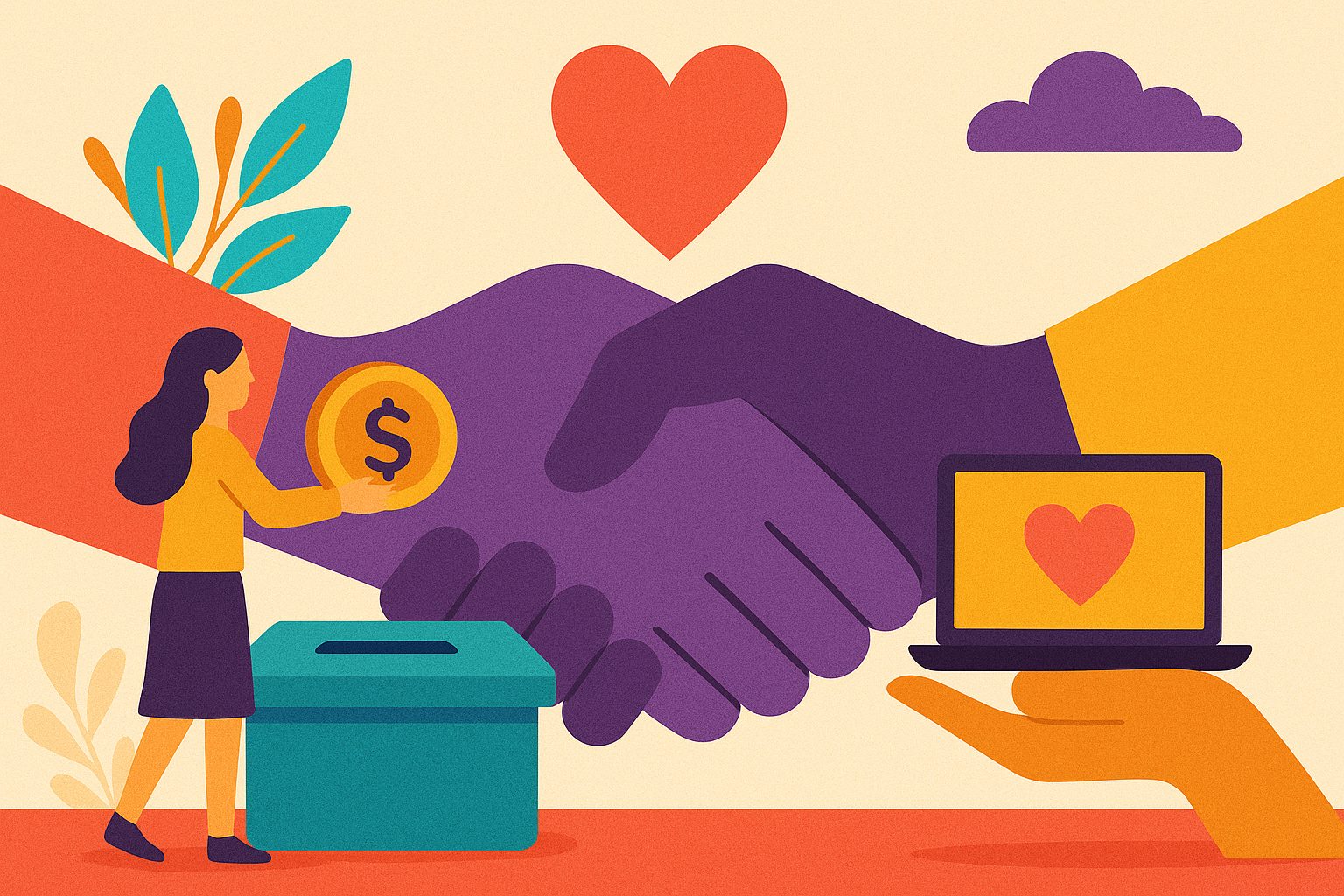
Crowdfunding has redefined the way we think about access, innovation, and empowerment in the health and wellness space. From individuals raising funds for personal therapy sessions or surgery, to startups launching the next big mindfulness app, this grassroots model of funding has opened countless doors. It blends human empathy with digital reach, offering people the chance to rally communities around their wellness needs. But as its popularity grows, so too do the ethical questions swirling beneath the surface. What happens when deeply personal health stories are shared with the world in exchange for support? Who ensures that funds are used responsibly? Are some wellness campaigns exploiting vulnerable emotions or spreading misinformation under the guise of self-care? These questions lie at the heart of a powerful movement—and they deserve careful consideration. Understanding the ethical dimensions of health and wellness crowdfunding is essential for campaign creators, donors, and platform hosts alike. This new wave of health financing may be full of promise, but without a thoughtful approach, it can unintentionally reinforce inequities, perpetuate stigma, or compromise integrity.
Consent, Vulnerability, and the Cost of Sharing Your Story
One of the defining features of crowdfunding is the personal narrative. Campaigns often include raw, emotional stories designed to move people to action. While transparency can foster empathy and donations, it can also demand a steep emotional price. Sharing intimate health details online often requires revealing trauma, illness, or personal hardship in ways that might feel invasive or irreversible. The ethical concern here centers on informed consent. Are individuals fully aware of the long-term impact of disclosing private information to thousands—or even millions—of strangers? For minors, individuals in crisis, or those with cognitive impairments, the situation becomes even more complex. They may not be in a position to fully understand the consequences of exposure. The ethical responsibility falls on both the campaign creators and the platforms to ensure stories are told with respect, clarity, and consent. Vulnerability should not be commodified for clicks. When personal suffering becomes public currency, lines can blur between authenticity and exploitation. A well-meaning campaign can easily tip into a narrative that feels performative or pressured, particularly if success is tied to how emotionally compelling the story appears.
Equity in Exposure: Who Gets Funded and Who Gets Overlooked?
Crowdfunding, while theoretically open to everyone, often reproduces the same systemic inequalities it claims to bypass. Campaigns that gain traction usually benefit from strong storytelling, compelling visuals, wide networks, and marketing-savvy outreach. Unfortunately, not everyone has access to these resources. Marginalized communities—such as low-income families, BIPOC individuals, non-English speakers, or those in remote areas—often lack the digital literacy, internet access, or social reach necessary to succeed in competitive crowdfunding spaces. This creates a troubling paradox: those who need the most support often raise the least. Wellness crowdfunding, in particular, may favor campaigns that align with mainstream aesthetics or wellness trends, further sidelining culturally specific or community-rooted practices. The ethical responsibility here falls not just on individual campaigners, but on platforms and donors to actively challenge these biases. Equity in funding requires more than openness—it demands intentional visibility and inclusive design. Otherwise, crowdfunding risks becoming yet another system where privilege dictates access to care.
Truth in Claims: The Risk of Wellness Misinformation
The wellness industry already sits in a delicate balance between innovation and regulation. With crowdfunding, that line can blur even further. Campaigns promoting health supplements, alternative treatments, or experimental therapies can sometimes make unverified claims about results, benefits, or risks. While passion and belief are important, ethical crowdfunding demands honesty. It’s critical that campaigners avoid misleading statements, exaggerated promises, or pseudoscientific jargon. When someone asks the public to fund their wellness journey or innovation, there must be a foundation of transparency and scientific integrity. The potential harm is real. A donor may contribute under false assumptions. A patient might delay proven treatments in favor of a crowdfunded, unregulated option. A backer may share misinformation unintentionally. Platforms also have a role to play. By establishing content guidelines, verification systems, or partnerships with medical experts, they can help filter out potentially harmful or deceptive campaigns. Ethics here is not about stifling creativity—it’s about protecting public trust and health.
The Shadow of Pressure: Guilt, Competition, and Emotional Labor
Running a health or wellness crowdfunding campaign is not just about uploading a story and waiting for support. It often requires repeated updates, emotional vulnerability, social sharing, and constant outreach. For individuals already in distress—physically, mentally, or financially—this becomes another form of labor. Emotional labor. Campaigners might feel pressure to appear “worthy” of help. They may agonize over whether their tone is hopeful enough, whether their photos evoke sympathy, or whether their illness is dramatic enough to stand out. This emotional calculus can be exhausting and ethically fraught. Additionally, the visibility of crowdfunding breeds comparison. When some campaigns go viral while others barely raise a dollar, it’s natural to wonder: what did they do differently? Why not me? This sense of competition in what should be a space of healing can erode self-worth and reinforce feelings of isolation. The ethical response must include compassion—both from platforms and audiences. Campaign creators should be supported with tools and guidance, not pressured to overperform their pain.
Financial Transparency and Donor Trust
One of the most basic but vital ethical pillars in crowdfunding is the responsible use of funds. When a donor gives to a wellness campaign, they are trusting that their contribution will be used for its stated purpose. A lack of clarity can damage not just individual trust but the entire ecosystem of crowdfunding. Campaigners should clearly outline how funds will be used and follow through with regular updates. If plans change, donors deserve honest explanations. For projects promising future services or products—like wellness startups or community programs—accountability becomes even more important. Ethical crowdfunding requires planning, budgeting, and documentation. Platforms can assist by encouraging updates, offering built-in financial tracking, or providing sample budget breakdowns. Meanwhile, donors can help uphold transparency by asking thoughtful questions and promoting campaigns that model responsible stewardship. Trust is the cornerstone of engagement. When it’s upheld, communities grow. When it’s broken, reputations and relationships collapse.
Inclusivity and Respect Across Cultural Wellness Practices
Wellness is not a monolith. Around the world, diverse cultures have their own healing traditions, from herbal remedies and meditation to ancestral rituals and spiritual care. In crowdfunding spaces, however, these traditions can be misrepresented, appropriated, or misunderstood. Ethical crowdfunding must honor the cultural origins and contexts of wellness practices. Campaigns that reference traditional methods should credit their roots and, where possible, involve community elders or practitioners in the design and storytelling. It’s unethical to market sacred practices solely for profit or personal branding. Respecting cultural context also means avoiding the temptation to dilute or exoticize practices for broader appeal. Platforms can promote ethical storytelling by encouraging cultural sensitivity training, reviewing campaign language, and spotlighting underrepresented voices in wellness. Inclusivity doesn’t just mean access—it means honoring complexity and heritage.
Safeguarding Privacy in a Hyper-Public Space
Crowdfunding, by its nature, invites visibility. But visibility must be weighed against the right to privacy—especially in health-related campaigns. Not every donor needs to know every detail. Not every photo must be shared. Campaigners should consider the long-term digital footprint of their stories. Once shared, online narratives can be copied, screenshotted, or indexed indefinitely. For children, survivors of trauma, or those in stigmatized health conditions, the consequences can be lasting. Ethical storytelling includes setting boundaries. It’s okay to share selectively. It’s okay to protect parts of the story. Platforms can support this by offering privacy controls, content moderation tools, and secure messaging options. Donors, too, must respect boundaries—avoiding invasive questions or unsolicited advice. A culture of consent and privacy can coexist with transparency. The key is choice.
Balancing Hope with Realism
Hope is a powerful force in health and wellness fundraising. It drives generosity, community support, and emotional connection. But ethical crowdfunding requires balancing hope with realism. Campaigns should inspire without overpromising. Testimonials should be honest, not exaggerated. Project outcomes should be grounded in achievable steps. For startups or treatment-based campaigns, it’s especially important not to imply guaranteed success. Hope should never come at the cost of credibility. Overly optimistic or emotionally manipulative campaigns may draw donations in the short term, but they risk damaging long-term trust. The most ethical campaigns are those that uplift while remaining grounded. They acknowledge the hard road ahead, the possibility of setbacks, and the shared courage of trying anyway. Realism doesn’t diminish inspiration—it deepens it.
Platform Responsibility and Systemic Ethics
While campaigners carry much of the ethical weight, platforms have a significant role in shaping the ecosystem. Their policies, algorithms, and interface design influence which campaigns get seen, how funds are tracked, and what content is allowed. Ethical platforms actively promote transparency, equity, and accessibility. They provide tools for verifying claims, flagging misinformation, and supporting users in crisis. They avoid monetizing suffering by charging exorbitant fees or favoring emotionally manipulative content. Moreover, platforms can shape norms through education. Offering guidelines on ethical storytelling, privacy, and cultural respect helps raise the baseline for all users. Crowdfunding is no longer a digital novelty—it’s a public trust system. As such, platforms must evolve from neutral hosts to responsible curators.
The Future of Ethical Health Crowdfunding
Health and wellness crowdfunding is still in its early stages, with vast room to grow and improve. As more individuals, nonprofits, and startups turn to this model, ethical standards must evolve alongside the movement. The future demands smarter platforms, better education, and more inclusive practices. It calls for partnerships between ethicists, healthcare professionals, technologists, and funders. Together, we can build systems that support healing without harm, empowerment without exploitation. The power of crowdfunding lies in its humanity. It’s people reaching out to people, asking for help, offering hope, and dreaming of a better future. But with that power comes responsibility. By approaching health and wellness crowdfunding with ethics at the core, we ensure that this powerful tool remains what it was always meant to be—a bridge to healing, not a burden.