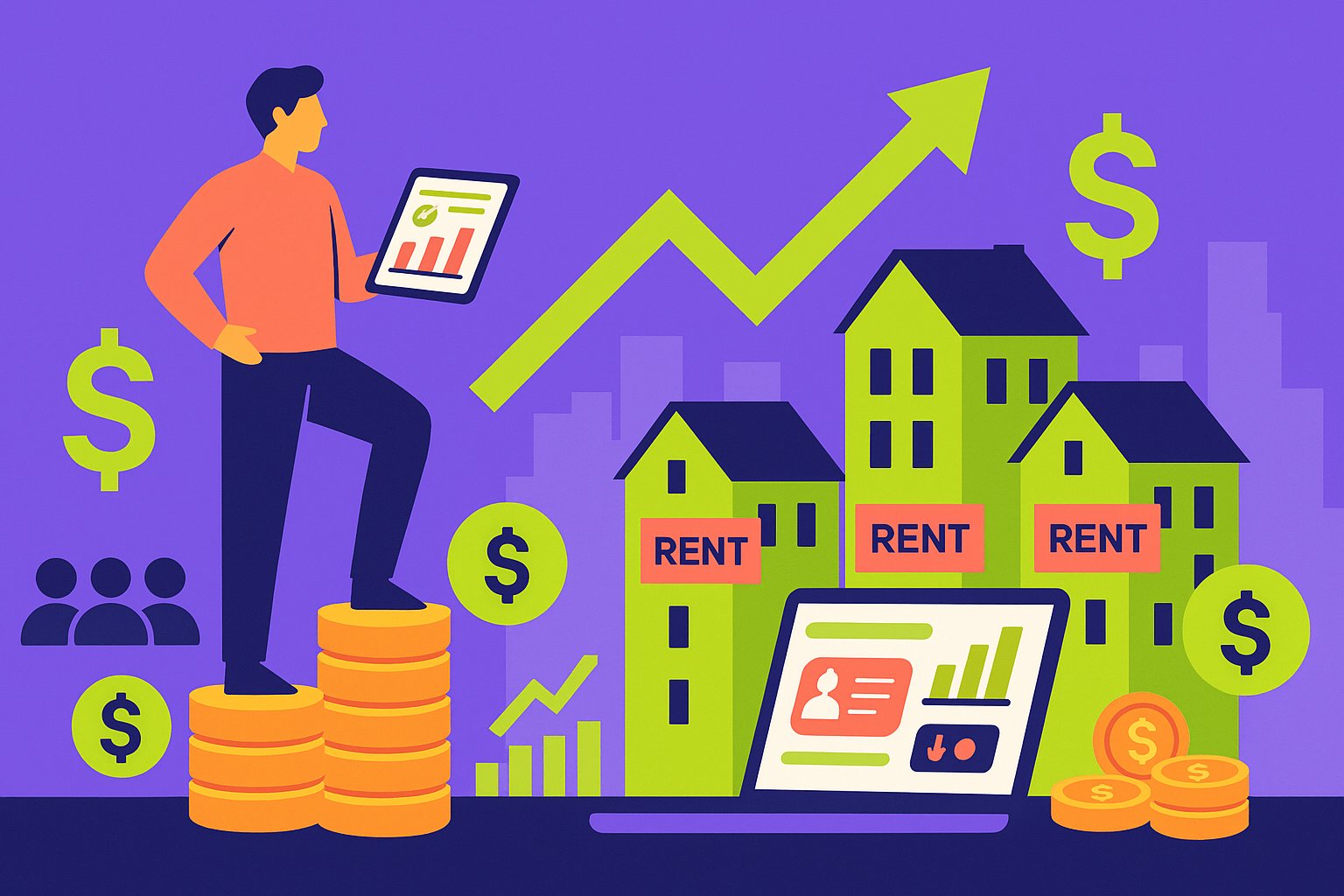

For generations, real estate has been one of the most reliable paths to building wealth. From rental income to appreciation, property ownership has always carried the allure of stability and tangible value. But for many investors, barriers like high upfront costs, property management responsibilities, and geographic limitations have kept them on the sidelines. Enter real estate crowdfunding—a revolutionary approach that allows everyday investors to participate in property deals without becoming landlords.
How Real Estate Crowdfunding Works
Real estate crowdfunding brings together developers seeking capital and investors seeking returns on a digital platform. Developers or sponsors list projects—residential, commercial, or mixed-use—that require funding. Investors then contribute capital in exchange for a share of the profits or interest income generated by the project. The model democratizes access, making real estate investment feasible with contributions far smaller than the six-figure sums traditionally required to buy property outright.
Two common structures dominate the landscape: equity-based and debt-based crowdfunding. Equity deals give investors ownership stakes in the property, meaning they participate in rental income and appreciation. These often come with higher potential returns but also greater risk, since profits depend on the project’s success. Debt deals, on the other hand, involve lending money to the developer in exchange for fixed interest payments. They may offer more predictable cash flow but generally cap upside potential. Crowdfunding platforms streamline the entire process. They handle vetting, due diligence, and legal compliance, allowing investors to focus on selecting projects that align with their risk appetite and long-term goals. For passive investors, this system represents an efficient and accessible entry point into real estate wealth building.
The Passive Investor’s Advantage
Passive investing through real estate crowdfunding removes many of the traditional pain points of property ownership. Investors do not have to scout locations, negotiate purchases, or manage day-to-day operations. Instead, their role is limited to selecting projects and providing capital. The heavy lifting—development, leasing, maintenance, and compliance—is handled by professionals with expertise in the field. This shift allows investors to focus on wealth building rather than property management. Income arrives in the form of distributions or interest payments, freeing investors from the stress of late-night tenant calls or market research on rental trends. Passive investors can also diversify more easily by spreading capital across multiple projects, geographies, and property types. This reduces risk and provides exposure to sectors they may not have had access to otherwise. The advantage extends to time as well. Busy professionals who lack the bandwidth to manage properties can still participate in the wealth-generating power of real estate. Crowdfunding makes it possible to build a portfolio of passive income streams while focusing on careers, families, or other priorities.
Evaluating Opportunities and Managing Risk
While real estate crowdfunding makes investing more accessible, it does not eliminate the need for careful evaluation. Passive investors must still analyze projects to ensure they align with financial goals and risk tolerance. Due diligence begins with understanding the sponsor’s track record. Experienced developers with a history of successful projects inspire more confidence than newcomers with limited data to review.
The structure of the deal is equally important. Equity-based opportunities may promise high returns, but they depend heavily on market conditions, occupancy rates, and property management performance. Debt-based opportunities may deliver steadier returns but offer less upside. Investors must weigh their appetite for risk and select accordingly.
Geographic diversification also plays a role. Real estate markets vary dramatically across cities and regions. Some may thrive due to population growth, economic expansion, or favorable business climates, while others stagnate. Platforms often provide market analysis, but investors benefit from doing independent research to confirm potential growth trends. Ultimately, managing risk in crowdfunding is about balance. Allocating smaller amounts across several projects instead of putting all capital into one increases stability. This strategy ensures that if one project underperforms, others may still deliver strong returns. For passive investors, diversification remains the bedrock of sustainable wealth building.
Technology’s Role in Democratizing Real Estate
The rise of real estate crowdfunding owes much to technology. Online platforms have turned what was once an opaque and exclusive market into a transparent, accessible space. Investors can browse projects, review financial projections, and compare opportunities from their laptops or smartphones. The digital interface makes participation seamless, enabling investors to complete transactions in minutes rather than weeks or months.
Technology also enhances due diligence. Platforms use data analytics, market research, and third-party verification tools to present reliable information to investors. Digital documentation and escrow services streamline compliance, reducing the friction that often comes with traditional real estate transactions. In some cases, platforms use blockchain technology to tokenize real estate investments, allowing fractional ownership and secondary trading. For passive investors, these advances mean more choices, lower costs, and greater transparency. Technology ensures that even those new to real estate can confidently engage with investment opportunities, leveling the playing field between individual investors and institutional players.
Long-Term Wealth Strategies with Crowdfunded Real Estate
Real estate crowdfunding is not just about short-term returns—it can also form the backbone of a long-term wealth strategy. Passive investors can use platforms to create portfolios that generate consistent cash flow while appreciating over time. Equity-based projects can contribute to capital growth, while debt-based projects provide steady income streams. Combining both creates a balanced approach to wealth building. For retirement planning, crowdfunded real estate can complement traditional investments like stocks and bonds. It adds a layer of diversification and reduces reliance on market cycles alone. Investors who reinvest their returns compound their wealth, turning modest contributions into significant assets over decades. Another advantage lies in access to institutional-grade projects. Many platforms provide opportunities to invest in developments that would normally require millions of dollars upfront. This access allows passive investors to benefit from large-scale projects that carry professional oversight and management expertise. By consistently participating in such opportunities, investors build not just income but also credibility and experience as part of a growing investment community.
Challenges and the Road Ahead
Despite its promise, real estate crowdfunding is not without challenges. Regulatory frameworks continue to evolve, and investors must stay informed about compliance requirements in their jurisdiction. Platforms may vary in transparency and reliability, making careful selection critical. Market risks remain as well; real estate cycles, economic downturns, or mismanagement can all impact returns. Liquidity is another consideration. Unlike publicly traded stocks, real estate crowdfunding investments are often illiquid, meaning investors may need to commit their funds for years before seeing returns. Some platforms are exploring secondary markets to address this, but options remain limited.
The future, however, looks bright. As more investors seek passive income streams and alternative investments, crowdfunding platforms are expanding rapidly. Innovations such as tokenization, artificial intelligence-driven analysis, and global market access promise to make the space even more dynamic. For passive investors willing to stay informed and selective, the opportunities to build wealth through this model will only grow.
Embracing Real Estate Crowdfunding for Wealth Building
Real estate crowdfunding represents a paradigm shift in how individuals build wealth. By combining the timeless value of real estate with the accessibility of digital platforms, it allows passive investors to enjoy the rewards of property ownership without the headaches of management. The model offers diversification, transparency, and scalability—all essential elements of long-term financial success. For passive investors, the key lies in strategic participation. Evaluating opportunities, balancing equity and debt deals, and reinvesting returns can create powerful compounding effects over time. While risks remain, careful due diligence and diversification minimize exposure. More importantly, embracing compliance, technology, and evolving market trends ensures that investors remain at the forefront of this revolution. Wealth building is no longer reserved for those with deep pockets or industry connections. With real estate crowdfunding, the power to grow assets and generate passive income is within reach for anyone willing to explore it. For investors seeking a path to long-term prosperity, this is not just an option—it is an opportunity waiting to be seized.