Laying the Groundwork for a Thriving DAO
Building a successful Decentralized Autonomous Organization begins long before any code is written or tokens are minted. It starts with a clear vision that articulates why the DAO exists, what problems it aims to solve, and how participants will benefit. Whether you’re creating a protocol-focused DAO for DeFi innovations or a community-driven art collective, your foundational narrative must resonate with diverse stakeholders—from builders and investors to casual supporters. Early-stage planning should include defining your mission, articulating core values, and outlining a rough roadmap. This clarity becomes the north star guiding every subsequent decision, ensuring that every proposal, governance mechanism, and technical choice aligns with the DAO’s overarching purpose.
In these formative moments, it’s crucial to engage prospective members in vision workshops, open discussions, and feedback loops. By inviting input early, you cultivate a sense of ownership and empowerment that fuels long-term commitment. Transparency about goals and trade-offs at this stage builds trust and preempts misunderstandings later. Remember that successful DAOs are not static; they evolve through collective intelligence. Yet this adaptive nature thrives only when underpinned by a strong, shared vision that gives coherence to decentralized efforts.
Envisioning Your Decentralized Collective
Once your vision has taken shape, the next step is to translate abstract ideals into a tangible organizational design. This involves determining membership criteria, decision-making privileges, and the mechanisms by which new participants join. Will membership require owning governance tokens, contributing code, or completing a vetting process? How much influence does each member wield, and does every token equate to equal voting power? These choices fundamentally shape the social architecture of your DAO.
Effective DAOs often balance openness with safeguards against malicious actors. Token-gated access provides a straightforward entry barrier, while reputation systems or periodic reviews introduce qualitative checks. By formalizing paths for contributor recognition—such as granting higher voting weight to long-standing participants or experts in relevant fields—you foster a meritocratic environment that rewards genuine commitment. Designing this social fabric thoughtfully helps cultivate a community that is both inclusive and resilient against sybil attacks, ensuring that decision-making remains representative of true stakeholders.
Crafting Robust Governance Frameworks
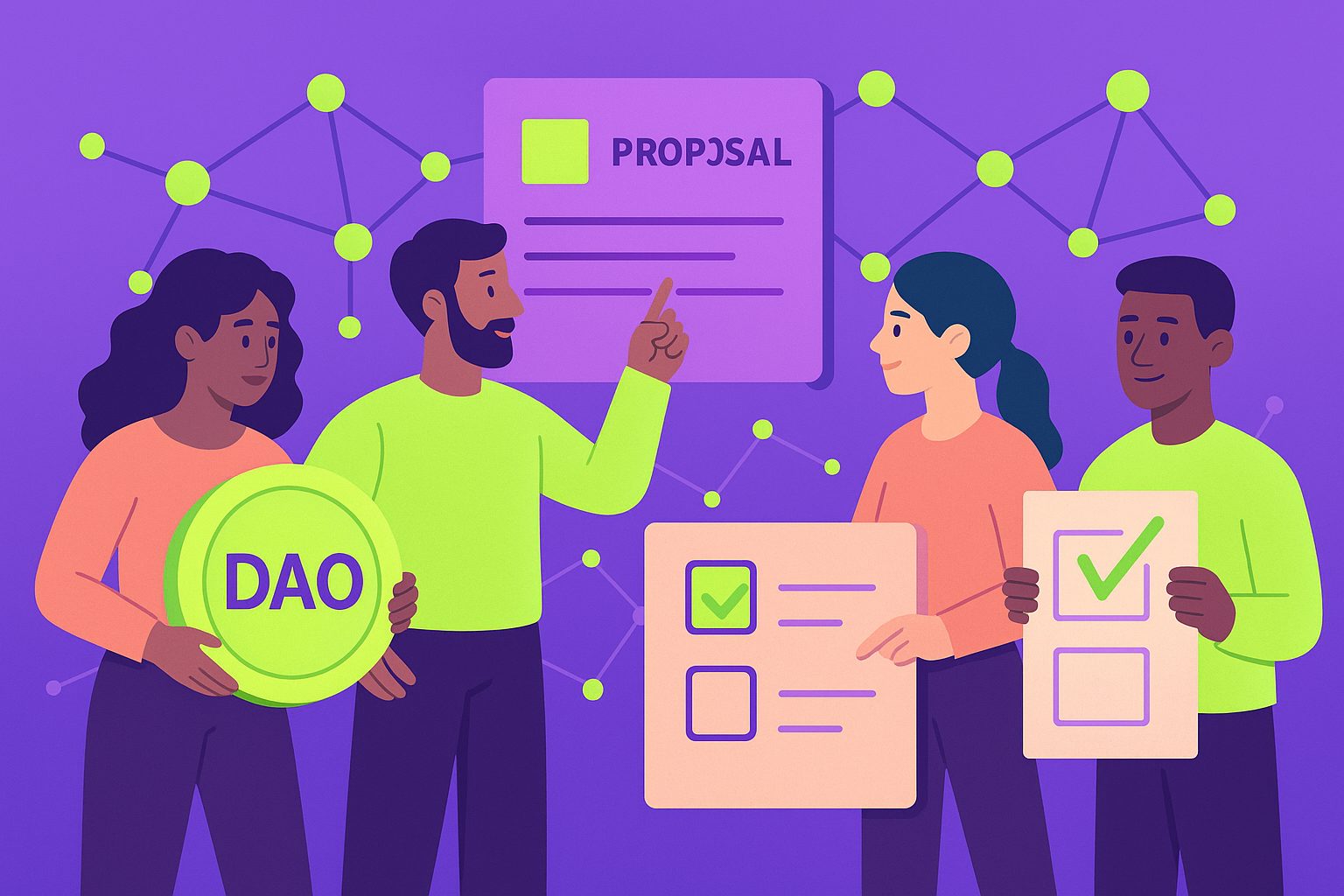
Governance is the heartbeat of any DAO. It defines how proposals are submitted, debated, and executed. Best-in-class governance models combine flexibility with clear guardrails, enabling swift adaptation without sacrificing accountability. At the core, smart contracts automate vote counting, quorum enforcement, and on-chain execution of approved proposals. Yet the surrounding processes—such as proposal templates, discussion forums, and review periods—are equally vital.
Implementing stages for idea incubation, formal proposal submission, and voting reduces noise and lowers the barrier for constructive participation. Time-bound discussion phases allow community members to ask questions, propose amendments, and build consensus. When voting opens, token-weighted mechanisms ensure that stakeholders with the greatest stake have proportional influence, while options like quadratic voting can prevent whales from dominating outcomes. Crafting governance parameters—quorum thresholds, vote duration, and veto rights—requires careful calibration; too lax, and decisions may be hijacked by small factions, too stringent, and meaningful change becomes impossible.
Designing Tokenomics to Drive Alignment
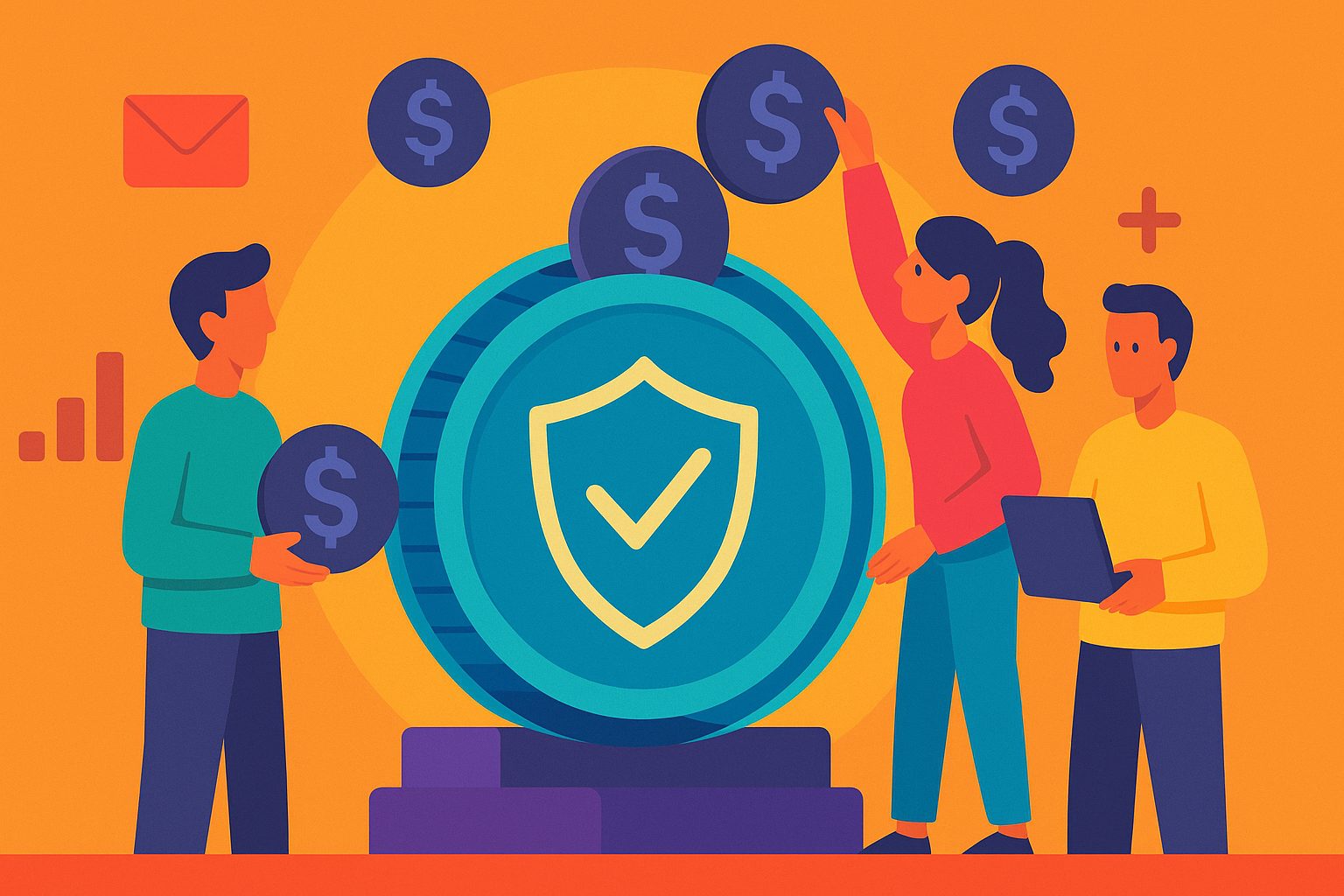
A DAO’s token model is more than a mere fundraising vehicle; it’s the engine that aligns incentives among participants. Tokenomics encompasses supply schedules, distribution strategies, vesting periods, and mechanisms for staking or yield generation. When structured effectively, tokens motivate contributors to build, govern, and steward the protocol for collective benefit.
Early token distribution should prioritize fairness and long-term engagement. Reserving pools for core contributors, community rewards, and ecosystem development underscores your commitment to growth. Vesting schedules prevent sudden sell-offs that could destabilize value, while staking or locking mechanisms encourage long-term holding and participation in governance. Additionally, incorporating fee-sharing or yield distribution within smart contracts rewards token holders proportionally to their stake, reinforcing the alignment between protocol success and individual benefit. Thoughtful tokenomics balances community empowerment with safeguards against concentration of power, ensuring that the DAO remains truly decentralized.
Fostering Vibrant Community Engagement
No DAO can thrive without an engaged, motivated community. Beyond governance and tokens, your DAO must cultivate a culture of collaboration, learning, and shared purpose. Regular community calls, hackathons, and educational workshops create touchpoints that nurture relationships and spark innovation. Social channels—whether Discord, Telegram, or dedicated forums—should be moderated to keep discussions constructive and welcoming.
Onboarding resources play a critical role in reducing friction for newcomers. Comprehensive documentation, “how-to” guides for proposal creation, and open office hours for Q&A empower first-time contributors to find their footing. Recognition programs—such as contributor badges, spotlight features, or micro-grants for early initiatives—foster a sense of achievement and belonging. By celebrating successes large and small, you reinforce positive behaviors and set clear examples of impactful contributions. In a decentralized setting, these soft elements of community-building are as important as technical infrastructure in maintaining momentum and preventing participant churn.
Selecting a Scalable Technical Backbone
The technical infrastructure underpins every operation within a DAO. From on-chain governance contracts to off-chain coordination tools, your technology stack must be both secure and adaptable. Popular frameworks like Aragon or DAOstack offer modular governance templates, while emerging solutions like OpenZeppelin’s Governor contracts and Tally’s front-end interfaces simplify proposal management and voting. Choose platforms that integrate seamlessly with your preferred blockchain, whether that’s Ethereum, a Layer-2 scaling network, or a specialized chain optimized for governance.
Scalability and interoperability are key considerations. As your DAO grows, transaction costs and network congestion can stifle participation. Layer-2 solutions such as Optimism or Arbitrum reduce gas fees, while cross-chain bridges expand reach across multiple ecosystems. Off-chain alternatives like Snapshot enable low-cost signaling votes, with only final decisions executed on-chain. Complement these with secure identity protocols and decentralized storage (e.g., IPFS or Arweave) to safeguard community assets and communications. A flexible, layered architecture ensures that your DAO remains nimble in the face of evolving technical demands.
Prioritizing Security and Audits
Smart contract vulnerabilities pose existential risks for DAOs, as exploits or bugs can drain treasuries and erode community trust. Security must be baked into every stage of development. Engage reputable auditing firms to conduct rigorous code reviews, while implementing continuous monitoring and bug bounty programs to incentivize external researchers. Employ formal verification tools where feasible to mathematically prove critical contract properties.
Beyond code, operational security protocols protect governance processes and treasury access. Multi-signature wallets with distributed signers guard funds, while time-locked timelocks add additional windows for community intervention before significant transactions execute. Regular security drills and incident response plans prepare stakeholders for potential breaches, reducing panic and ensuring swift recovery. By treating security as an ongoing commitment rather than a one-off checklist, your DAO signals seriousness and builds confidence among contributors and investors alike.
Navigating Legal and Regulatory Complexity
DAOs operate in a murky legal landscape where regulations vary dramatically by jurisdiction. Token distributions may trigger securities law scrutiny, and participants could face liability for organizational actions. Some DAOs elect to form legal entities—such as Swiss Vereins or Delaware LLCs—that serve as on-chain governance wrappers, providing clear contractual relationships and limited liability protections. Others embrace fully decentralized models, using code as law and accepting residual risks.
Whichever path you choose, collaborating with legal experts versed in blockchain and finance regulations is essential. Transparent disclosures, robust KYC/AML protocols, and compliance measures not only mitigate legal exposure but also attract institutional participants. Drafting clear bylaws, token purchase agreements, and community conduct policies fosters accountability and reduces ambiguity. Proactive engagement with regulators and industry consortia positions your DAO as a responsible innovator, smoothing interactions when new guidelines emerge.
Common Pitfalls That Threaten Success
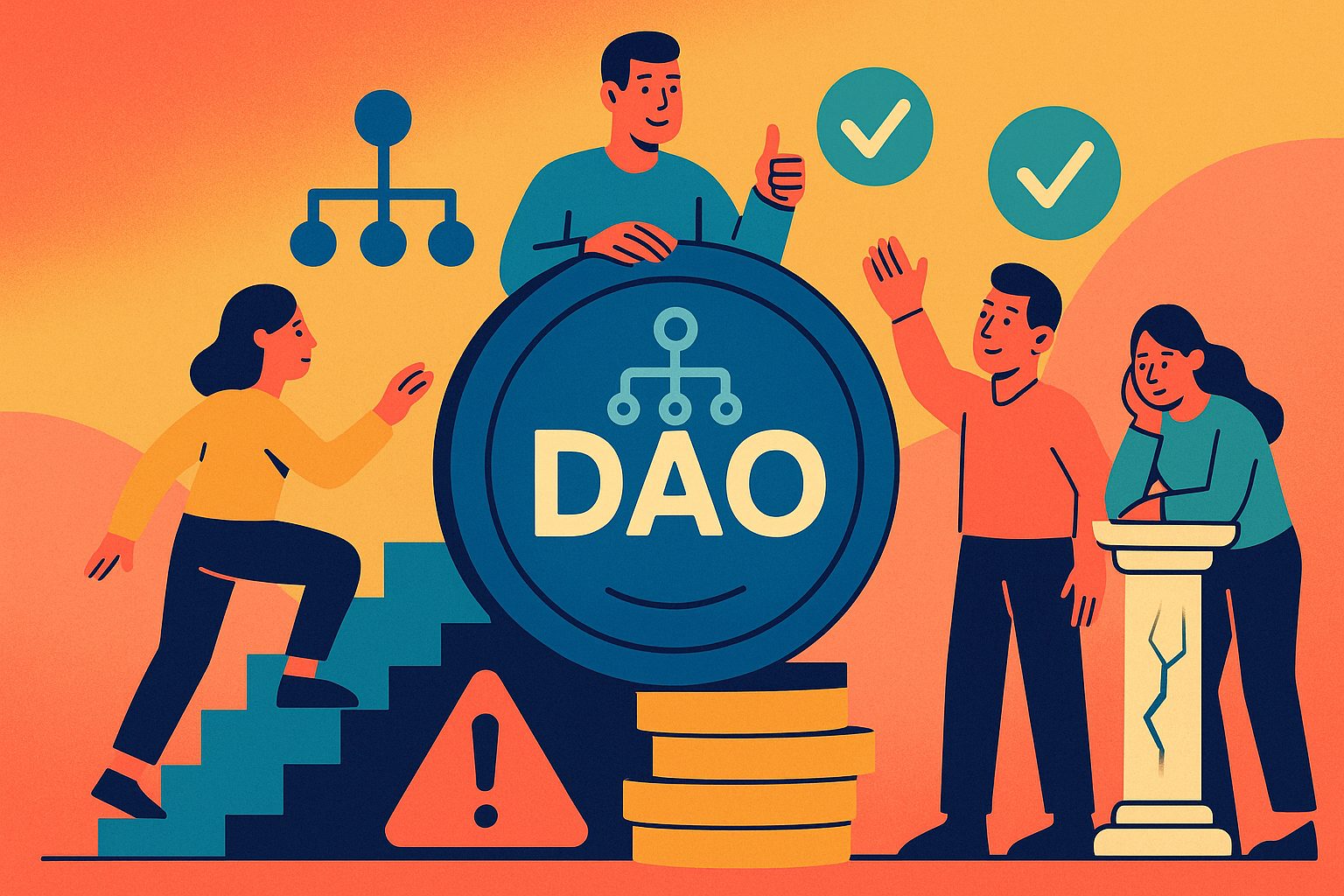
Even well-intentioned DAOs can stumble on predictable challenges. One frequent misstep is underestimating the importance of active governance participation; without sufficient turnout, proposals may pass with minimal consensus or fail entirely due to low quorum. Equally damaging is unchecked token concentration, where a handful of holders can override community will. Neglecting community health—by failing to onboard, educate, or recognize contributors—leads to apathy and disengagement.
Technical fragmentation can also derail progress. Relying on multiple, poorly integrated tools creates friction and confusion around processes. Similarly, treating security as an afterthought invites exploits that can irreparably harm reputation. Legislative shifts may render token models non-compliant, forcing abrupt pivots that fracture community trust. By learning from these warning signs—emphasizing participation, safeguarding against centralization, investing in integration, and staying attuned to legal changes—you can steer clear of destructive scenarios and keep your DAO on course.
Learning from Trailblazing DAOs
Examining the journeys of successful DAOs provides invaluable insights. Organizations like MakerDAO pioneered decentralized governance by enabling community-driven risk parameter adjustments in its stablecoin ecosystem. MolochDAO demonstrated lean, minimalist governance that streamlined funding for public goods, while PleasrDAO showcased the power of collective ownership in the art world. Each of these examples navigated unique challenges—ranging from governance attacks to legal ambiguities—and emerged stronger by iterating on processes, soliciting community feedback, and adapting token models.
Studying failure stories is equally instructive. The DAO hack of 2016, which exploited recursive call vulnerabilities, underscored the perils of complex contract designs. Subsequent forks and community divisions highlighted the importance of clear governance contingency plans. By analyzing both triumphs and setbacks, your DAO can adopt proven strategies—such as staged upgrades, robust auditing, and iterative governance enhancements—while avoiding pitfalls that have tripped up earlier pioneers.
Sustaining Growth and Evolving Forward
A DAO’s success is measured not only by its launch but by its capacity to adapt and scale. As communities expand, governance processes must evolve to accommodate new contributors without sacrificing efficacy. Introducing delegated voting models, sub-DAOs, or working groups can decentralize decision-making further, distributing responsibilities while preserving coherence. Treasury management tools that integrate budgeting, forecasting, and reporting empower stewards to allocate resources strategically, fueling continued innovation.
Continuous education and transparent communication remain vital. Regular “state of the DAO” reports, AMA sessions with core contributors, and open feedback channels keep stakeholders informed and invested. Embracing upgradeable smart contracts allows protocol enhancements without disruptive migrations, while cross-DAO partnerships unlock shared synergies and resource pools. By embedding a culture of experimentation—testing new governance models, token utilities, and incentive structures—your DAO stays at the forefront of decentralized innovation, poised to weather market cycles and changing community needs.
Embarking on the Next Frontier
Building a successful DAO is a journey of vision, collaboration, and relentless iteration. From defining your mission and designing governance frameworks to securing smart contracts and navigating legal complexities, each step demands thoughtful strategy and community-centric execution. By learning from early trailblazers, embracing best practices, and remaining vigilant against common pitfalls, you can cultivate a resilient, dynamic organization that thrives in the decentralized landscape. As you embark on this adventure, remember that your greatest asset is the collective passion and expertise of participants who believe in the DAO’s purpose. Harness that power wisely, and you’ll not only build a thriving DAO but help shape the future of decentralized collaboration.