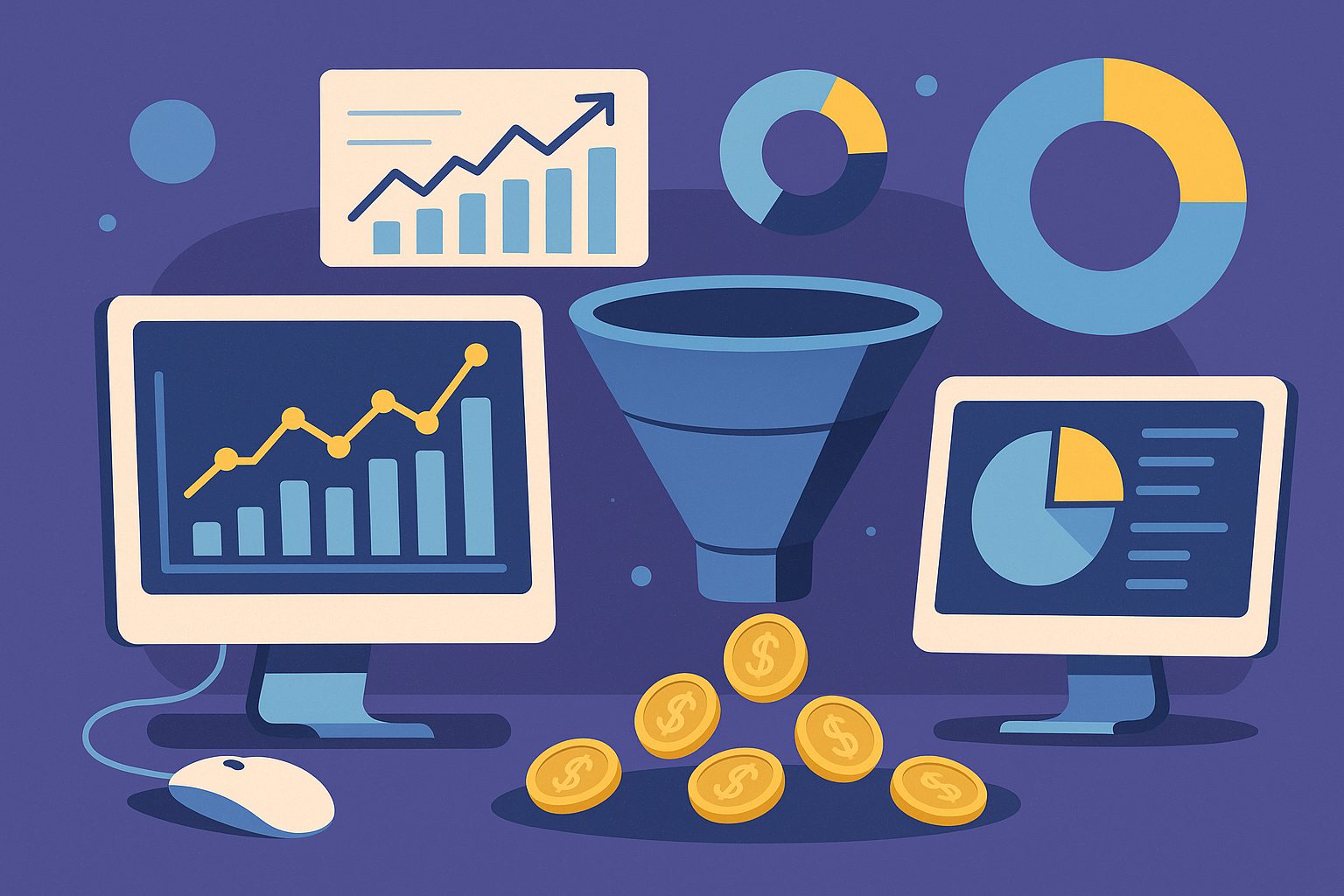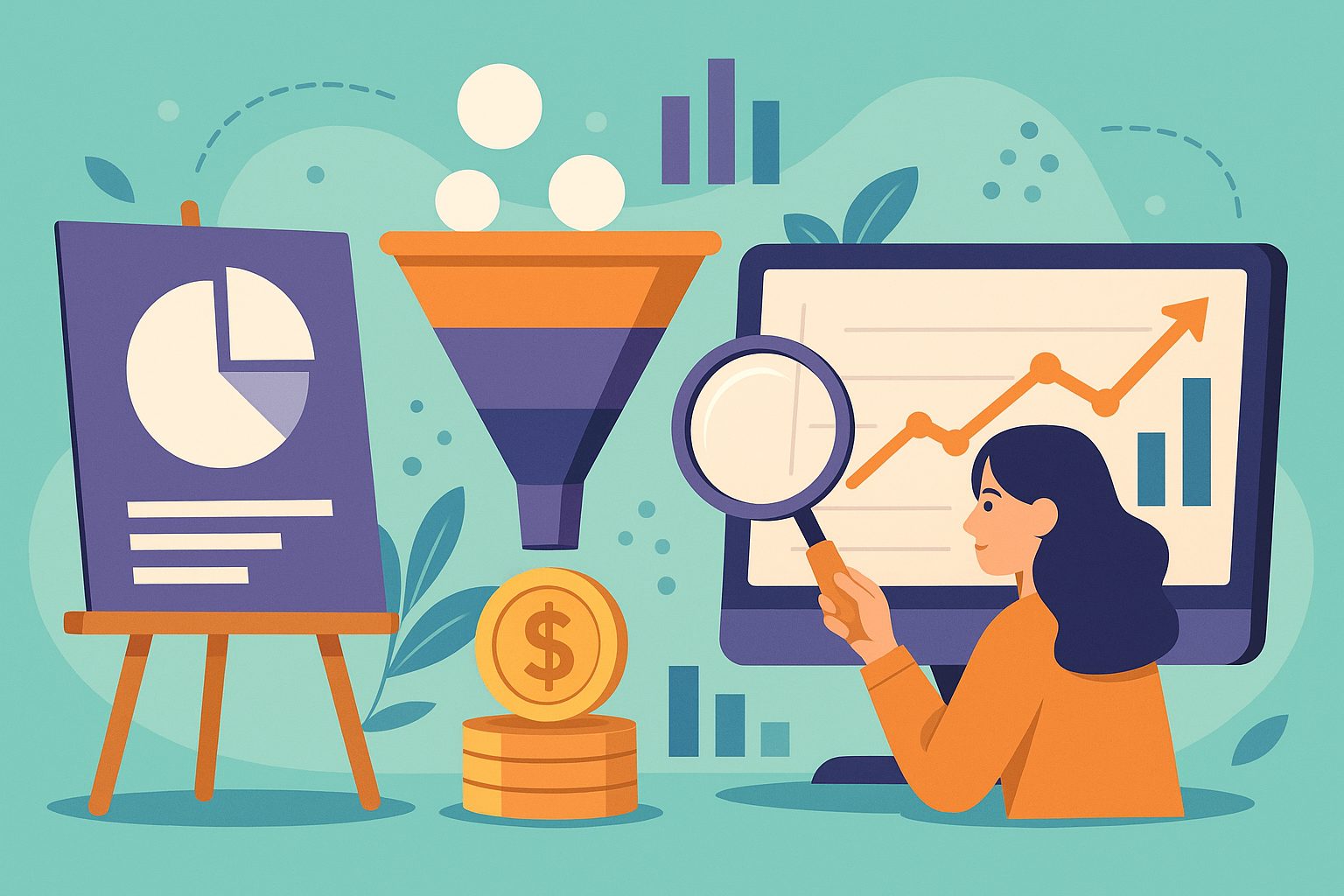

In the evolving world of fundraising, intuition alone no longer drives success—data does. Today’s campaigns are shaped not just by heartfelt stories or creative campaigns, but by deep insights drawn from analytics software. The best fundraisers know that every donor interaction, click, and contribution tells a story. Analytics tools transform those stories into actionable intelligence, helping organizations understand their supporters, optimize performance, and maximize results. Whether you’re running a grassroots crowdfunding campaign or managing a large-scale nonprofit operation, analytics software is the compass that guides smarter strategy, stronger engagement, and more meaningful impact.
Turning Insights into Impact
Data without direction is just noise, but analytics software turns that data into a roadmap for success. With the right tools, fundraisers can track donor behavior, measure campaign effectiveness, and make informed decisions that increase both short-term and long-term results. Imagine being able to see which messaging resonates most with your audience, which channels drive the highest returns, and when donors are most likely to give again. These aren’t guesses—they’re measurable insights. Analytics empowers fundraisers to see the full picture of performance across multiple channels: email, social media, website traffic, and even event participation. Instead of running campaigns blindly, organizations can pivot in real time, refining strategies based on evidence. This ability to adapt quickly transforms good campaigns into great ones. The key is choosing the right analytics software—platforms that deliver clarity, usability, and depth without overwhelming your team.
Decoding Donor Behavior Through Data
The true power of analytics software lies in understanding the psychology behind giving. Donors aren’t just numbers—they’re people driven by values, emotions, and trust. Modern fundraising analytics tools combine behavioral data with demographic and psychographic insights, creating a holistic view of each supporter. By tracking engagement patterns, fundraisers can identify their most loyal donors, spot lapsing supporters, and recognize potential major givers before they emerge. Predictive analytics takes this further, using historical data to forecast future behavior. For example, if a donor has contributed to multiple social justice causes in the past, predictive algorithms can estimate the likelihood they’ll support a similar campaign.
Tools like Salesforce Nonprofit Cloud, Blackbaud Raiser’s Edge NXT, and Bloomerang use predictive scoring and segmentation to help fundraisers personalize their outreach. Instead of sending the same message to everyone, organizations can tailor appeals to match donor interests and giving capacity. This kind of intelligence not only boosts conversion rates but deepens emotional connection—the foundation of lasting donor relationships.
The Top Contenders in Fundraising Analytics
In a market filled with data platforms, several analytics tools stand out for their ability to combine precision with accessibility. Each brings unique strengths to the table, depending on your organization’s needs and scale.
Salesforce Nonprofit Cloud has become a powerhouse for large organizations seeking a fully integrated system. It allows fundraisers to track campaigns, donor journeys, and performance metrics all in one place. Its AI-powered Einstein Analytics tool can forecast trends and recommend next steps, helping teams act strategically rather than reactively.
Blackbaud Raiser’s Edge NXT remains a top choice for nonprofits because of its intuitive interface and robust donor tracking. It offers customizable dashboards that let teams monitor performance in real time, from donor retention rates to average gift size. Its integration with marketing automation tools ensures that insights seamlessly connect with action.
Smaller or mid-sized organizations often find Bloomerang ideal. It’s designed to focus on donor retention—a key metric in long-term fundraising health. Bloomerang visualizes donor engagement through easy-to-read dashboards, making data accessible to teams of all experience levels. Its emphasis on relationship management helps fundraisers nurture loyalty, not just transactions.
Meanwhile, platforms like HubSpot CRM and Fundraise Up appeal to hybrid teams that combine fundraising and marketing efforts. These tools track both supporter engagement and campaign conversion, providing a clear picture of which strategies drive the most donations. The right software depends on your goals: comprehensive systems for enterprise-scale fundraising or user-friendly platforms for focused donor engagement. But in every case, analytics is the difference between hoping for success and engineering it.
Integrating Performance Metrics Across Platforms
Most fundraising today happens across multiple touchpoints—email campaigns, crowdfunding sites, live events, and social media. Without integration, valuable data remains scattered. The best analytics software bridges these gaps, pulling information from multiple sources into one unified view. Integration ensures that teams aren’t just looking at numbers in isolation. A spike in social engagement might align with a specific email campaign, or a new donor surge could correlate with a viral video. With connected systems, you can see these patterns instantly and attribute success to the right actions.
Platforms like Google Analytics, when paired with fundraising CRMs, provide powerful multi-channel visibility. You can track how users move from discovery to donation, which devices they use, and what content drives conversions. Integrating this data creates a narrative of cause and effect—essential for optimizing marketing spend and refining campaign strategies. APIs and data connectors make integration easier than ever, allowing even small teams to centralize performance metrics. The result is smarter, more efficient fundraising that leverages the synergy of all digital efforts rather than viewing them as separate silos.
Measuring What Truly Matters
In the fast-paced world of fundraising, it’s tempting to focus on surface-level metrics—total funds raised, number of donors, or campaign reach. But true performance comes from deeper insights. Retention rates, average gift growth, cost per acquisition, and lifetime donor value provide a more meaningful measure of long-term success. Analytics software helps you focus on the metrics that matter most. For instance, donor retention often has a greater impact on overall fundraising than first-time donations, as returning donors tend to give more over time. Tools like Bloomerang and DonorPerfect visualize this retention data, highlighting where engagement efforts need improvement.
Campaign performance analytics reveal which messages and channels drive the most donations per dollar spent. This insight allows organizations to reallocate resources strategically, improving efficiency and ROI. By measuring not just outcomes but also effort, fundraisers gain the clarity needed to make every campaign smarter than the last. The key is to move beyond vanity metrics and embrace the numbers that tell a story of growth, sustainability, and connection. With analytics software, success becomes measurable, repeatable, and scalable.
The Role of Predictive and AI-Driven Analytics
The future of fundraising analytics lies in prediction and automation. Artificial intelligence now allows software to anticipate donor behavior, forecast campaign results, and recommend personalized outreach strategies. Instead of reacting to trends, fundraisers can shape them. Platforms like Salesforce Einstein Analytics and Fundraise Up’s AI-powered tools analyze historical data to predict which donors are most likely to contribute again—and when. These insights enable organizations to reach out proactively, reducing churn and increasing conversion. Machine learning models can even identify donor fatigue or signal when engagement is declining, giving teams the chance to intervene before relationships fade.
AI also enhances segmentation and personalization. Automated systems can send the right message at the right time, matching donors with the campaigns that align with their passions. Over time, this precision drives deeper loyalty and higher lifetime value. By combining predictive analytics with human creativity, fundraisers can move from reactive management to proactive growth. The data doesn’t replace the emotional heart of fundraising—it amplifies it, ensuring every story reaches the right audience with maximum impact.
Building a Data-Driven Fundraising Culture
Adopting analytics software is only the first step. To truly benefit, organizations must cultivate a data-driven culture—one that values measurement as much as mission. This means training teams to interpret insights, not just collect them, and encouraging collaboration across departments. Fundraising success thrives on alignment. When marketing, donor relations, and finance teams share the same data, they work toward unified goals. Analytics software provides a common language—a clear way to measure progress and accountability. It also empowers fundraisers to make informed pitches to leadership and stakeholders, supported by real evidence of impact. A data-driven culture is built on curiosity. It asks “why” after every campaign—why one message outperformed another, why donors dropped off at a specific stage, why certain regions contributed more. These questions lead to discovery, innovation, and smarter strategy. Over time, analytics becomes not just a tool, but a mindset—a way of thinking that keeps your organization agile and adaptive in an ever-changing fundraising landscape.
The Future of Fundraising Performance
The best fundraising teams of the future will be those that merge empathy with analytics. As technology evolves, the potential to understand and engage donors will become even more sophisticated. Real-time dashboards, predictive modeling, and AI-driven insights will allow fundraisers to measure impact faster and more accurately than ever before. Yet amid all the data, one principle remains timeless: fundraising is about people. Analytics can reveal trends, optimize timing, and personalize outreach, but it can’t replace genuine human connection. The most successful organizations will use data to enhance storytelling—to craft messages that inspire trust, hope, and action. In the end, analytics software isn’t just about improving numbers; it’s about amplifying purpose. It gives fundraisers the tools to do what they do best—build relationships, inspire generosity, and drive change. With the right data, every campaign becomes a lesson, every donor a partner, and every decision a step toward greater impact.